 admin
admin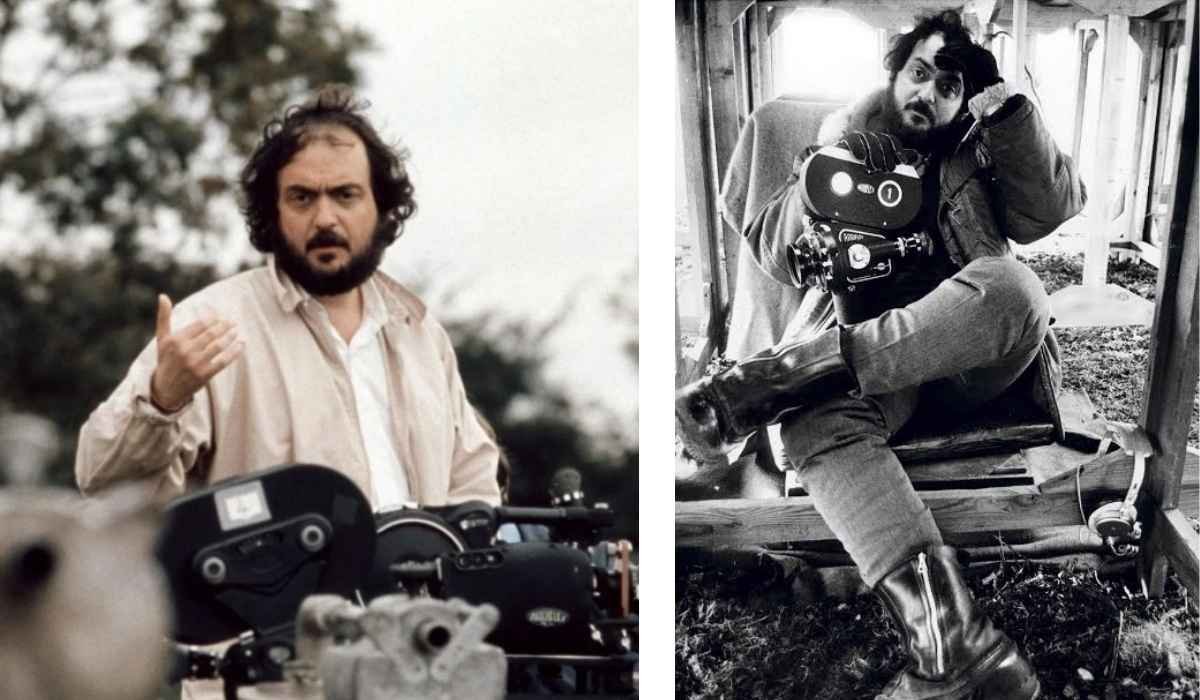
The iconic visionary Stanley Kubrick changed the landscape of modern cinema forever through unmatched technical precision and profound storytelling depth. Born in New York City, he cultivated an early passion for photography and chess, which later heavily influenced his distinct directorial approach. As a master of multiple genres, he consistently challenged audiences by exploring complex philosophical, social, and psychological themes.
His relentless pursuit of perfection meant that every single frame was meticulously composed, creating visually stunning masterpieces that continue to captivate cineastes, scholars, and casual viewers worldwide. Through groundbreaking innovations in cinematography and uncompromising creative control, this legendary auteur left behind a timeless body of work that remains eternally relevant and deeply inspiring across generations of filmmakers.
Quick Bio Of Stanley Kubrick
| Attribute | Details |
| Full Name | Stanley Kubrick |
| Birth Date | July 26, 1928 |
| Death Date | March 7, 1999 |
| Profession | Filmmaker, Director, Photographer |
| Notable Works | 2001: A Space Odyssey, The Shining |
Early Life and Childhood Inspirations
Growing up in the Bronx, young Stanley Kubrick displayed exceptional intelligence combined with a notable disdain for traditional classroom structures. Instead of focusing on standard academic subjects, he immersed himself in reading, playing competitive chess, and exploring the vibrant streets of New York. His father introduced him to the world of photography at a young age, gifting him a camera that sparked a lifelong creative journey. These formative years helped shape his unique perspective on human behavior, strategy, and visual composition. Long before stepping onto a professional movie set, Stanley Kubrick was already developing the sharp observational skills that would define his future cinematic masterpieces.
Transition from Photography to Filmmaking
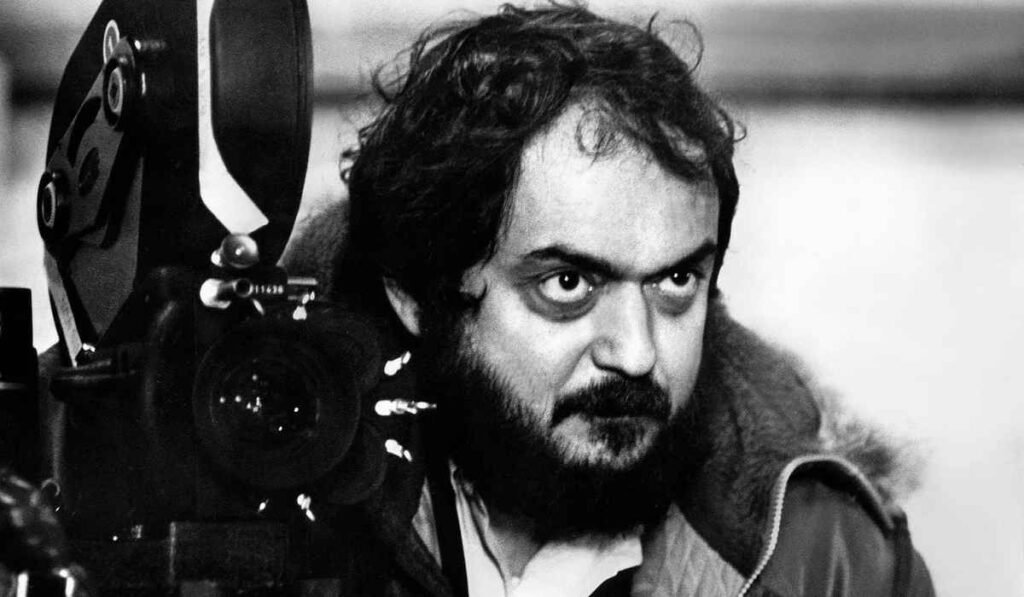
Before directing feature films, Stanley Kubrick worked successfully as a photojournalist for Look magazine, capturing candid moments across America. This intensive photographic experience taught him how to tell compelling visual stories with minimal dialogue, a technique he heavily utilized in his motion pictures. Eager to explore dynamic movement and narrative scope, he transitioned into making short documentary projects like Day of the Fight. These early endeavors provided essential technical knowledge regarding lighting, camera angles, and pacing. The discipline learned during his photojournalism days gave Stanley Kubrick the foundational confidence needed to embark on a daring career in the competitive film industry.
Directorial Debut and Early Feature Projects
Stepping into narrative cinema was a bold challenge, leading Stanley Kubrick to direct his very first independent feature film on a very tight budget. This early project explored dark psychological themes of war, survival, and moral ambiguity under extreme pressure. Although the production faced numerous financial and logistical hurdles, it successfully demonstrated his raw potential and willingness to tackle difficult subjects. Critics noted his distinct visual flair even in these primitive works, signaling the arrival of an exciting new voice. Through perseverance and artistic vision, Stanley Kubrick steadily built the technical expertise required to navigate major Hollywood studio systems safely.
Refining Craft Through Film Noir
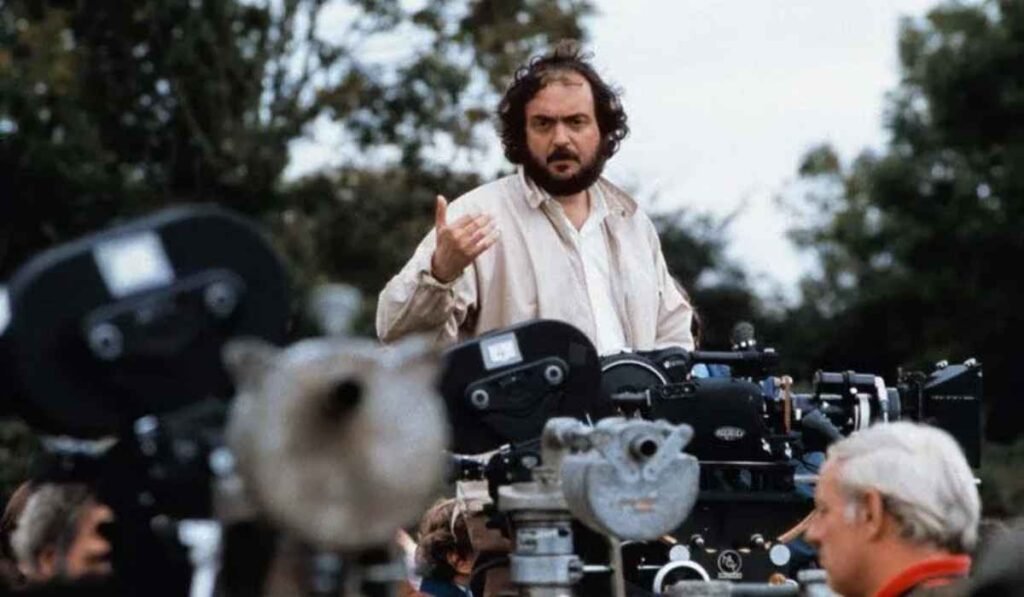
During the mid-1950s, the burgeoning director embraced the gritty aesthetic of film noir to sharpen his storytelling capabilities further. Pictures like Killer’s Kiss and The Killing showcased his growing mastery of tight pacing, suspenseful plotting, and atmospheric shadow work. The latter project, in particular, received widespread critical acclaim for its innovative non-linear narrative structure involving a meticulously planned racetrack robbery. These gritty crime thrillers proved that Stanley Kubrick could handle complex character dynamics and high-stakes tension effectively. By experimenting with genre conventions, Stanley Kubrick established a firm footing that prepared him for larger historical epics.
Stepping Into Hollywood With Epic Dramas
Collaborating with legendary actor Kirk Douglas allowed Stanley Kubrick to direct significant studio productions that expanded his professional scale dramatically. The anti-war masterpiece Paths of Glory demonstrated his profound ability to critique military injustice through breathtaking tracking shots and emotional resonance. Following that triumph, he took over the historical epic Spartacus, managing a massive cast, grand battle sequences, and complex studio politics. Despite experiencing creative friction with studio executives during production, he delivered a massive commercial and critical success. This demanding experience ultimately convinced Stanley Kubrick to demand absolute creative autonomy for all his future filmmaking endeavors.
Relocating to England and Embracing Independence
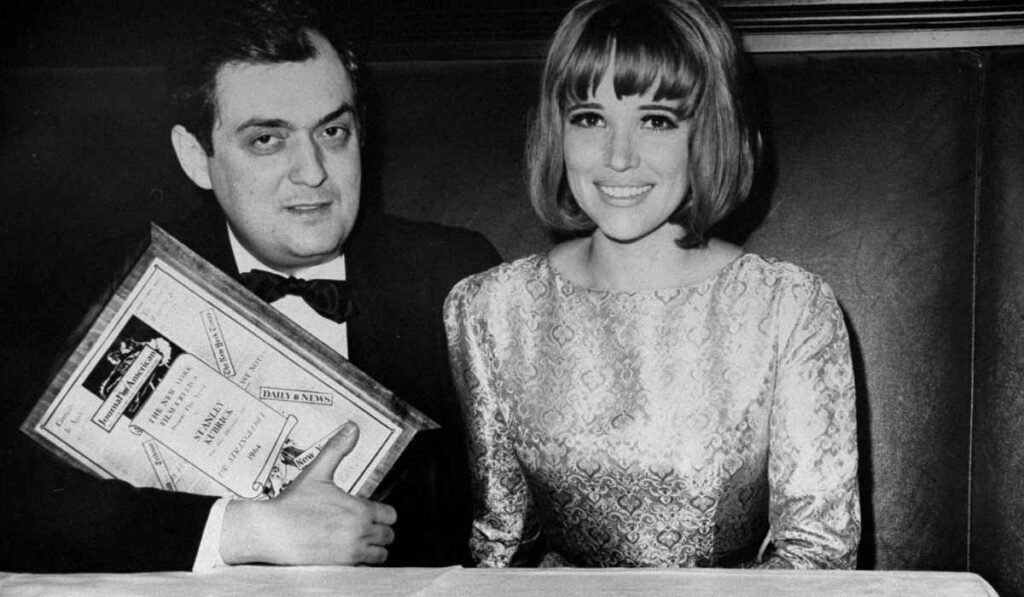
Seeking total artistic freedom away from the suffocating studio interference of Hollywood, Stanley Kubrick permanently relocated to the United Kingdom in the early 1960s. This strategic move allowed him to curate a reclusive yet deeply productive lifestyle centered around his family and meticulous work ethic. Operating from his English countryside estate, he could spend years researching, writing, and perfecting each project without external corporate pressure. This unique independence fostered an environment of uncompromised artistic vision. By cutting ties with conventional Hollywood publicity machines, Stanley Kubrick ensured that his art spoke entirely for itself through brilliant execution.
Exploring Taboo Themes Through Lolita
Moving across the Atlantic enabled the daring filmmaker to tackle highly controversial literary adaptations that Hollywood studios typically avoided at all costs. His cinematic adaptation of Vladimir Nabokov’s novel Lolita explored taboo themes of obsession, morality, and societal hypocrisy with dark satirical humor. Navigating strict censorship boards required immense tact, leading him to balance explicit subject matter with clever cinematic innuendo. The resulting film sparked fierce debates among critics and audiences alike upon its initial theatrical release. Through this bold project, Stanley Kubrick proved he possessed the courage to confront uncomfortable truths head-on without pandering to conventional mainstream tastes.
Satirizing Nuclear Anxiety in Dr. Strangelove
The height of the Cold War provided ripe thematic material for a pitch-black comedy targeting global political paranoia and mutual assured destruction. Dr. Strangelove or: How I Learned to Stop Worrying and Love the Bomb remains one of the greatest satirical achievements in cinematic history. Featuring unforgettable multiple performances by Peter Sellers, the film mercilessly mocked military commanders and politicians obsessed with nuclear supremacy. Its brilliant blend of absurd humor and genuine terror captured the existential dread of an entire generation. With this razor-sharp masterpiece, Stanley Kubrick demonstrated that profound social commentary could be delivered through uproarious laughter.
Redefining Science Fiction With a Space Odyssey
Collaborating closely with author Arthur C. Clarke, the director revolutionized the science fiction genre forever with a monumental cosmic epic. 2001: A Space Odyssey stunned global audiences with its unprecedented special effects, philosophical depth, and minimalist dialogue strategy. The film explored human evolution, artificial intelligence, and extraterrestrial life through breathtaking visual poetry set to classical musical compositions. Although initial reactions varied due to its ambiguous narrative, it quickly became a massive cultural touchstone and commercial phenomenon. Through sheer ingenuity, Stanley Kubrick transported viewers into the vast, silent depths of the universe convincingly.
Navigating Controversy With A Clockwork Orange
Adapting Anthony Burgess’s dystopian novel brought a fresh wave of intense public controversy and media scrutiny surrounding depictions of youth violence. A Clockwork Orange presented a chilling future society where free will clashed directly with state-sponsored behavioral conditioning and psychological manipulation. The striking visual style, electronic music score, and disturbing narrative choices challenged viewers to examine the root causes of criminality. Following a media frenzy in the UK, the director himself famously requested the film’s withdrawal from local distribution to maintain peace. Even amid fierce controversy, Stanley Kubrick maintained complete artistic integrity throughout the ordeal.
Mastering Period Aesthetics in Barry Lyndon
Shifting gears entirely from futuristic dystopias, the perfectionist auteur immersed himself in the painstaking recreation of eighteenth-century European high society. Barry Lyndon utilized revolutionary natural lighting techniques and custom NASA-developed lenses to shoot candlelit interior scenes without artificial studio lamps. Every costume, landscape, and set piece was researched meticulously to ensure absolute historical authenticity across the sprawling epic runtime. While contemporary box office returns were modest, film historians later hailed the project as a supreme visual triumph of painterly composition. This meticulous dedication proved that Stanley Kubrick could conquer any historical epoch flawlessly.
Crafting Psychological Terror in The Shining
Entering the realm of horror, the visionary director adapted Stephen King’s bestselling novel into a chilling masterclass of psychological dread and isolation. Set within the snowbound Overlook Hotel, the film explored descent into madness through haunting imagery, Steadicam innovation, and unforgettable performances. Rather than relying on cheap jump scares, Stanley Kubrick built a suffocating atmosphere of ambient terror that lingered long after the credits rolled. The intricate maze design and ambiguous narrative clues sparked endless fan theories and analytical documentaries. Consequently, Stanley Kubrick permanently elevated horror cinema into high art.
Portraying the Brutality of War in Full Metal Jacket
Returning to the theme of armed conflict, the filmmaker dissected the dehumanizing psychological conditioning inflicted upon young American recruits during military basic training. The first half of Full Metal Jacket featured an unforgettable performance by drill instructor Lee Ermey, showcasing institutionalized psychological breaking points. The second half shifted abruptly into the urban combat zones of the Vietnam War, depicting ideological disillusionment and chaotic survival. Through stark realism and biting irony, the production avoided romanticizing combat in any form. Once again, Stanley Kubrick exposed the dark underbelly of human institutions with unflinching honesty.
Concluding His Journey With Eyes Wide Shut
The final cinematic statement from the legendary creator explored the complex psychological landscapes of marriage, jealousy, desire, and nocturnal fantasy. Eyes Wide Shut starred Tom Cruise and Nicole Kidman as a wealthy New York couple navigating an increasingly surreal odyssey of temptation. Shot entirely on controlled studio sets mimicking New York streets, the film maintained his signature visual symmetry and atmospheric ambiguity. Tragically, the director passed away shortly after completing the final editing phase, adding a poignant layer to its thematic exploration of mortality. Thus, Stanley Kubrick left behind a haunting, beautiful cinematic swan song.
Exploring Unfinished and Unrealized Masterpieces
Beyond his completed thirteen feature films, the ambitious creator spent years researching massive historical projects that unfortunately never materialized on screen. His dream project chronicling the life of French emperor Napoleon Bonaparte remains one of Hollywood’s most famous lost films due to financial constraints. Similarly, early development work on futuristic artificial intelligence concepts eventually paved the way for other directors years later. His vast archive of notes, research files, and script drafts highlights an insatiable intellectual curiosity. Even unmade ideas demonstrate how intensely Stanley Kubrick thought about expanding human consciousness through cinema.
Understanding the Signature Visual and Directorial Style
Every frame bearing the director’s name is instantly recognizable due to distinct stylistic signatures including one-point perspective and symmetrical composition. Stanley Kubrick favored slow, deliberate pacing that allowed audiences to absorb environmental details rather than rushing blindly through superficial plot mechanics. His extensive use of classical music integration established emotional cues that contrasted brilliantly against unsettling narrative developments. Furthermore, his insistence on absolute technical perfection meant inventing new camera lenses and shooting methods whenever existing tools fell short. This uncompromising vision cemented Stanley Kubrick as a peerless aesthetic innovator.
The Impact of Chess on Creative Methodology
An avid and skilled chess player from childhood, the legendary filmmaker frequently credited the game with shaping his professional decision-making process. Playing competitive chess instilled in Stanley Kubrick the necessity of patience, strategic foresight, calculating multiple moves ahead, and evaluating consequences objectively. This strategic mindset translated directly into how he managed complex film productions, cast actors, and structured narrative puzzles. Every variable on a set was calculated carefully to maximize psychological impact and minimize wasted effort. Therefore, chess served as the hidden blueprint behind the brilliant genius of Stanley Kubrick.
Examining the Cultural and Cinematic Legacy
Decades after his passing, the cultural footprint of the legendary American auteur continues to expand across global artistic and academic communities. Modern filmmakers across diverse genres frequently cite his framing, editing rhythms, and thematic boldness as foundational inspirations for their own work. Retrospectives held in major international museums celebrate his extraordinary contributions to photography, design, and storytelling technique. His ability to challenge mainstream conventions while maintaining massive cultural relevance is truly unprecedented in film history. The timeless brilliance of Stanley Kubrick ensures his cinematic universe will inspire curious minds forever.
Remembering a Reclusive Perfectionist Icon
Living out his final decades as a famously private expatriate in the English countryside only amplified the mythos surrounding his legendary persona. Stanley Kubrick chose to let his infrequent cinematic releases speak entirely on his behalf, avoiding conventional celebrity culture and shallow public spotlight distractions. This quiet dedication allowed him to channel maximum creative energy into exploring the darkest and most brilliant corners of human psychology. Though he left this world in 1999, his artistic footprint remains completely indelible across modern culture. Ultimately, generations of future movie lovers will continue studying the profound masterpieces crafted by Stanley Kubrick.
FAQs
- What was the very first feature film directed by Stanley Kubrick?
- Stanley Kubrick directed his debut feature film titled Fear and Desire in the year 1953.
- Where did Stanley Kubrick spend the majority of his later life?
- He lived as an expatriate in an estate located within the English countryside for the last four decades.
- Did Stanley Kubrick ever win a competitive personal Oscar?
- He won his only personal Academy Award for designing the special photographic effects in 2001: A Space Odyssey.
- Which board game did Stanley Kubrick use to sharpen his strategic planning?
- He was an avid chess player who applied its tactical principles directly to his filmmaking methodology.
- What was the final feature film released during his lifetime?
- His final completed motion picture release was the psychological drama Eyes Wide Shut in 1999.