 2Q Solutions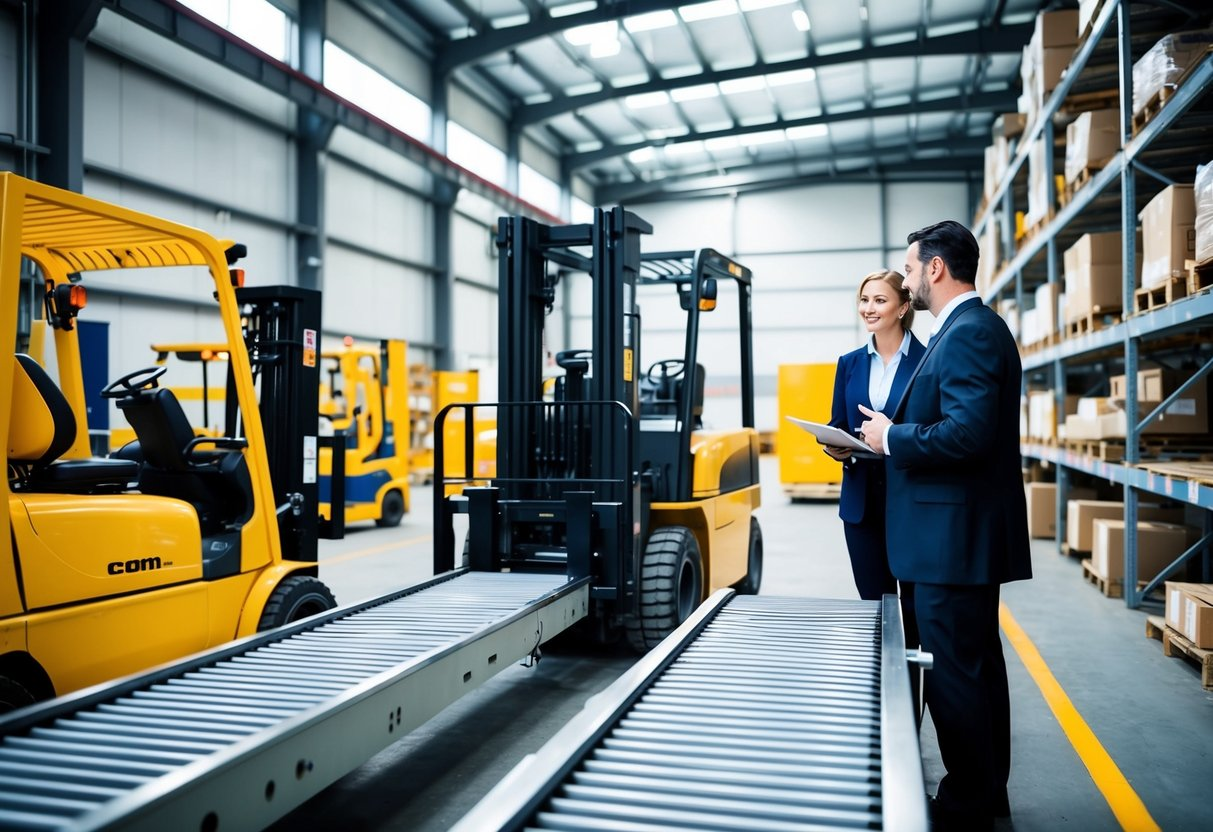
Equipment can determine how efficiently a business operates, how much work it can accept, and how quickly it can grow. Yet purchasing major machinery or commercial assets outright can consume cash that is also needed for payroll, inventory, marketing, and everyday operations.
For this reason, commercial equipment financing is often considered when businesses need productive assets without placing excessive pressure on available working capital.
Why Equipment Purchases Require Careful Planning
A new machine may improve productivity, but its financial impact begins before it generates its first dollar of revenue. Businesses need to consider acquisition costs alongside installation, training, maintenance, insurance, and operating expenses.
Commercial equipment financing can spread the financial commitment over time, helping businesses preserve cash for other priorities.
Matching Payments With Business Use
One advantage of financing equipment is the ability to align the cost of an asset more closely with the period in which it contributes to operations.
Instead of making a large upfront payment, a business can potentially make scheduled payments while the equipment supports revenue-generating activity.
That can be particularly useful for companies operating in capital-intensive sectors.
When Equipment Financing Makes Sense
There is no universal answer. Some companies finance equipment to replace aging machinery, while others need additional assets to meet growing customer demand.
Commercial equipment financing may also be relevant when a business wants to automate a process, improve efficiency, increase production capacity, or enter a new market.
The decision should begin with a business case rather than the equipment itself.
Evaluate the Expected Return
Before committing to financing, estimate what the equipment will contribute. Will it reduce labour requirements? Increase production? Improve turnaround times? Allow the company to accept contracts it currently cannot handle?
Those questions help management determine whether commercial equipment financing supports measurable business objectives.
An asset that looks impressive but adds little economic value may not justify the additional financial obligation.
Protecting Working Capital
Cash provides flexibility. Even profitable companies can experience problems when too much capital becomes locked into fixed assets.
By financing eligible equipment rather than paying the entire purchase amount immediately, a business may retain more liquidity for unexpected expenses and growth opportunities.
Commercial equipment financing can therefore be considered not merely as a purchasing method but as part of broader cash-flow planning.
Understand the Full Financing Structure
Business owners should examine more than scheduled payments. Financing structures can differ in term length, security requirements, repayment schedules, ownership arrangements, and documentation.
Companies should also consider how quickly the equipment may become obsolete.
A long financing period for technology with a short useful life can create an uncomfortable mismatch. Durable machinery with a long productive lifespan may justify a different structure.
Prepare Before Seeking Financing
Accurate records make financing discussions more productive. Businesses should be ready to provide financial statements, equipment details, purchase information, forecasts, and an explanation of how the asset will be used.
A clear plan demonstrates why the investment matters and how commercial equipment financing fits into expected cash flow.
Conclusion
Commercial equipment financing can help businesses acquire essential assets while maintaining greater control over working capital. However, financing should support a genuine operational need and a realistic financial plan.
Before moving forward, businesses should assess the equipment’s useful life, expected contribution, cash-flow impact, and financing structure. When those elements align, equipment financing can transform a major capital requirement into a manageable investment that supports productivity and sustainable growth.