 Wild Rise

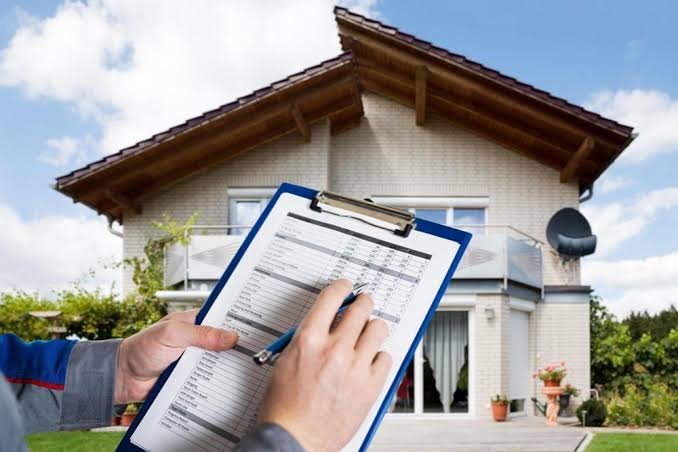
Investing in commercial real estate can create opportunities for long-term income and business growth, but every property comes with potential risks. A Commercial property inspection can help investors identify problems that may not be obvious during a viewing, from structural concerns to aging building systems. Understanding these hidden issues before purchasing can help protect your investment and prevent costly surprises.
Structural Problems Beneath the Surface
A commercial building may look attractive from the outside while hiding problems that require significant repairs. Foundation movement, roof deterioration, damaged support structures, and water intrusion can affect the property’s stability and long-term usability.
Small cracks or uneven flooring do not always indicate serious structural damage, but they should not be ignored. A qualified professional can assess whether further investigation is necessary and explain the potential implications.
Investors should pay particular attention to the building’s age, maintenance history, and previous renovation work. Requesting available repair records and asking questions about recurring problems can provide useful context before making a commitment.
Hidden Water Damage and Drainage Issues
Water-related problems can be especially disruptive in commercial properties. Leaking roofs, damaged pipes, poor drainage, and inadequate waterproofing may lead to deterioration, unpleasant odors, damaged interiors, and interruptions to business operations.
Some moisture problems remain concealed behind walls, beneath flooring, or around plumbing fixtures. Visible stains may indicate an ongoing leak or an issue that was previously repaired without addressing its underlying cause.
Before purchasing, look for warning signs such as:
- Water stains on ceilings or walls.
- Musty odors in enclosed spaces.
- Peeling paint or bubbling finishes.
- Standing water near the building.
- Signs of repeated repairs around plumbing or roofing.
If concerns are identified, consider obtaining a specialist assessment to determine the source and likely repair requirements. Addressing water problems early may prevent further damage and help investors estimate future maintenance expenses.
Electrical and Plumbing System Defects
Commercial buildings often have more complex electrical and plumbing requirements than residential properties. Their systems may support multiple tenants, specialized equipment, kitchens, restrooms, or other business activities.
Outdated wiring, overloaded circuits, leaking pipes, and insufficient water pressure can create operational difficulties. Depending on the building and its intended use, upgrades may be needed to meet applicable safety standards or accommodate future tenants.
Investors should ask about the age of major systems, previous repairs, and any known compliance issues. A general property assessment may identify visible concerns, but licensed electricians or plumbers may be needed to evaluate specific systems in greater detail.
Understanding these requirements before closing can help prevent unexpected expenses and determine whether the property is suitable for its intended purpose.
Pest Infestations and Termite Damage
Pest problems can affect both a building’s condition and its appeal to potential tenants. Termites are particularly concerning because they can damage susceptible timber components while remaining difficult to detect without a closer assessment.
Other pests may create sanitation concerns, damage stored materials, or require ongoing professional treatment. Signs such as discarded wings, damaged wood, droppings, or recurring pest activity deserve further investigation.
When planning a pest assessment, investors should research the average cost of termite inspection in their area and compare quotes from qualified providers. Pricing may vary according to the property’s size, accessibility, location, and the scope of the service.
An inspection can help identify visible evidence of an infestation, but the extent of damage may require additional investigation. Investors should also review available treatment records and clarify whether recommended work has been completed.
Environmental Hazards and Compliance Concerns
Environmental issues can introduce financial and legal complications into a commercial real estate investment. Depending on the building’s age, location, and previous use, potential concerns may include asbestos-containing materials, lead-based paint, contaminated soil, or other hazardous substances.
Older industrial or manufacturing properties may require additional environmental investigation before redevelopment or a change in use. Even a property that appears well maintained may have a history that warrants closer review.
Investors should examine available environmental reports, permits, and records of previous business activities. When necessary, qualified environmental professionals can determine whether specialized testing is appropriate.
Building regulations and accessibility requirements also deserve attention. Unresolved compliance issues could require improvements before the property can operate as intended, so investors should verify relevant obligations with qualified local professionals.
Roof Condition and Energy Efficiency
Roofing problems can become expensive when neglected. Damaged membranes, deteriorating flashing, blocked drainage systems, and inadequate maintenance may allow water to enter the building and affect other components.
A roof’s remaining useful life matters because replacement costs can influence an investment’s overall financial performance. Investors should request maintenance records and seek professional advice if the roof’s condition or repair history raises concerns.
Energy efficiency is another important consideration. Poor insulation, inefficient heating and cooling equipment, and outdated lighting may increase operating costs. Reviewing utility bills and the condition of major equipment can help investors estimate ongoing expenses and identify potential improvements.
Tenant, Lease, and Operating Risks
Not every hidden investment risk involves the physical building. Existing leases, unpaid rent, tenant disputes, and unclear maintenance responsibilities can also affect profitability.
Before completing a purchase, review lease agreements, rent records, service contracts, and any outstanding obligations. Confirm which repairs are the landlord’s responsibility and which duties belong to tenants.
It is also important to evaluate the property’s suitability for its current and future occupants. Parking limitations, restricted access, insufficient utilities, or an inconvenient layout may reduce its appeal to prospective tenants.
Professional legal and financial advice can help clarify contractual obligations and assess how these factors may influence expected returns.
Conclusion
Commercial real estate investors can reduce uncertainty by investigating structural, environmental, operational, and contractual risks before purchasing. Reviewing records, consulting qualified specialists, and estimating repair costs helps reveal potential liabilities. Careful due diligence supports better decisions, protects available capital, and improves the chances of making a sustainable long-term investment.