
 2Q Solutions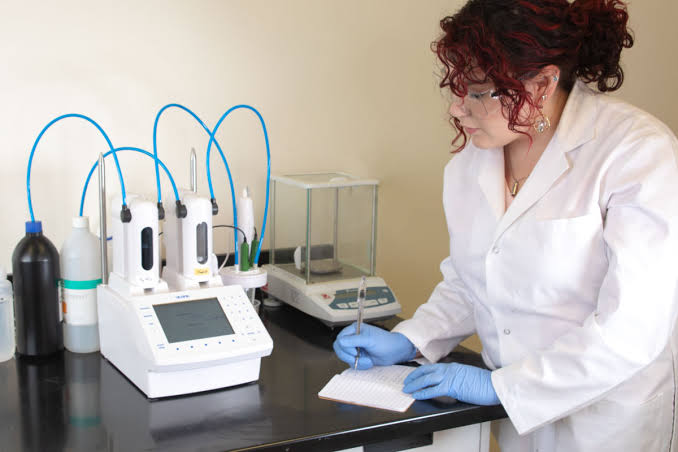
Titration remains one of the most widely used analytical techniques because it can provide dependable quantitative information across many laboratory applications. Manual procedures, however, depend heavily on operator technique. A hanna titrator can help automate critical parts of the process, supporting consistent endpoint determination, controlled reagent delivery, and more standardized analytical workflows.
Understanding Automated Titration
Traditional titration requires an operator to add titrant while observing an indicator or measurement response. Automated systems perform much of this process under programmed conditions.
A hanna titrator can monitor the reaction, control titrant addition, and determine an endpoint according to the selected method. This reduces dependence on subjective visual judgment.
Why Endpoint Detection Matters
The endpoint directly influences the calculated result. When operators rely on subtle color changes, individual interpretation can introduce variation.
Instrument-based detection helps reduce this source of uncertainty. Consistent endpoint criteria are particularly useful when multiple technicians perform the same method.
Benefits for Routine Testing
Automation can improve laboratory efficiency by reducing repetitive manual steps. Technicians can follow standardized methods rather than adjusting every titration by personal judgment.
A hanna titrator can also support better repeatability. Controlled dosing and consistent endpoint determination help laboratories compare results between samples, operators, and testing periods.
Documentation may become easier as well because test parameters and results can be managed systematically.
Where Titration Is Used
Titration can be applied to acid-base analysis, chloride determination, oxidation-reduction reactions, and numerous other quantitative tests.
Laboratories may use a hanna titrator for raw-material inspection, process samples, finished-product evaluation, or research.
The appropriate method depends on sample chemistry, expected concentration, titrant, electrode selection, and analytical objective.
Method Development Requires Care
Automation does not eliminate the need for a sound analytical method. Laboratories must establish suitable sample quantities, reagent concentrations, electrode conditions, dosing parameters, and endpoint criteria.
A poorly designed method can generate poor results regardless of instrument capability.
Reagent and Electrode Management
Titrants should be prepared, standardized, stored, and replaced according to laboratory procedures. Concentration changes can directly influence calculations.
Electrodes also require attention. Their response can change due to contamination, aging, inappropriate storage, or insufficient conditioning.
Before operating a hanna titrator, technicians should inspect relevant components and confirm that the system is ready for analysis.
Cleaning Between Samples
Carryover can become a significant source of error when samples vary widely in concentration or composition. Rinsing vessels, tubing, probes, and other sample-contact components helps minimize contamination.
The cleaning procedure should match the chemistry being analyzed rather than relying on one approach for every sample.
Training Laboratory Personnel
Automated equipment still requires knowledgeable operators. Technicians should understand both the instrument and the chemistry behind the method.
Training should cover sample preparation, reagent handling, electrode care, method selection, troubleshooting, cleaning, and result review.
When users understand why each step matters, a hanna titrator becomes more than an automated dispenser; it becomes part of a controlled analytical process.
Reviewing Results Critically
Laboratories should never assume an automated result is correct simply because the instrument completed the test. Unexpected values, unstable responses, unusual titrant consumption, or inconsistent replicates deserve investigation.
Quality-control samples and routine checks can help identify problems early.
Conclusion
Automated titration can bring greater consistency and structure to quantitative laboratory analysis. A hanna titrator helps control titrant delivery and endpoint determination while reducing some of the variability associated with manual techniques. When supported by validated methods, proper reagent management, electrode maintenance, training, and careful result review, automated titration can strengthen both productivity and analytical reliability.