 Khizar Seo
There are trips that run on a schedule and trips that run on a mood. A mountain break belongs firmly in the second group. Visitors arrive for the cool air, the long views, the walking, and the feeling that a few days have been lifted out of the usual week. The difficulty is that the area offers far more than a short visit can absorb, and an itinerary built to catch everything tends to deliver very little of any of it.
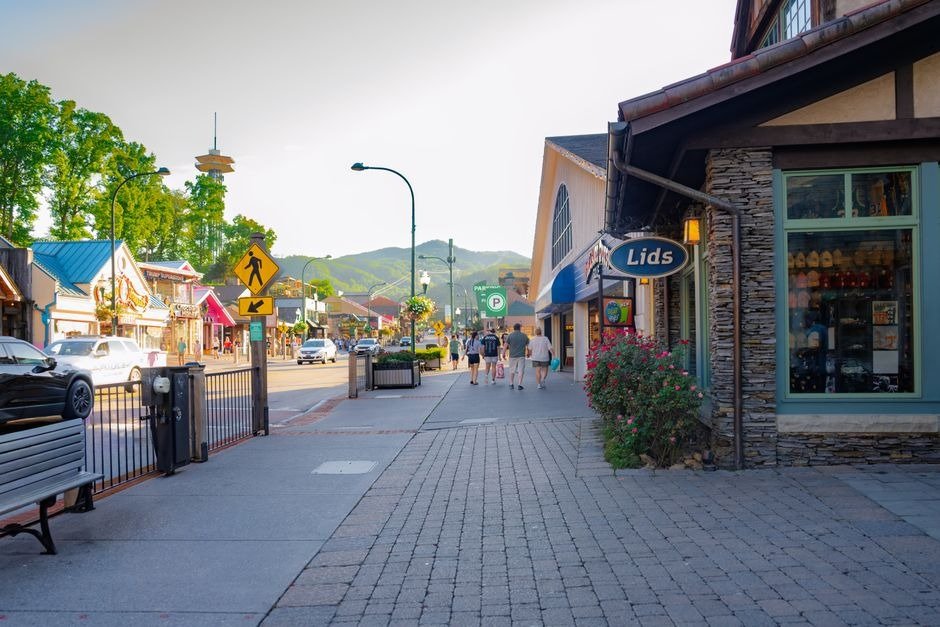
A trip through the Smokies works best when three things are given room at once: hours spent outdoors, hours spent among the shops and attractions, and hours with nothing planned at all. Staying in Gatlinburg makes that balance simpler to hold, because the trailheads, the main street, and the park entrance all sit close together. The real work of planning is deciding beforehand how much of each you want, rather than hunting for places nobody else has found.
Choosing a Base for Your Stay
Most mountain visits settle into the same daily shape before long: outside in the morning, around town in the afternoon, and quiet in the evening. Where you sleep shapes that pattern more than people expect, since a long drive between your bed and everything else quietly takes an hour off both ends of the day. Condos sit right at the center of this, because they run from small units set far up a hillside to larger ones a few minutes from the main street, and that gap changes how every day unfolds.
Self-contained accommodation near the center of town answers most of it in a single decision, bringing a kitchen, room to spread out, and the freedom to walk back whenever you like. Olde Gatlinburg Place offers condos in the Smokies with full-size kitchens, cozy fireplaces, private balconies, and a seasonal heated outdoor pool.
Building the Days Around the Outdoors
The outdoors is the reason most people make the drive, so it earns first claim on the calendar. Trails here run from flat, paved loops of under an hour to steep climbs that swallow most of a day, and the common mistake is assuming the hardest option is the only real one. A short walk to a waterfall in the early morning, before the parking areas fill, often leaves a deeper impression than a long climb attempted in afternoon heat. Mornings are the strongest window in every season. The light is better, the air is cooler, the paths are emptier, and you finish with the rest of the day still in front of you.
Choose one outdoor activity per day and count anything beyond it as a bonus. Two hikes in a single day reads well on paper and feels punishing by three in the afternoon. If you want variety, change the kind of activity rather than the number: a walking trail one day, a scenic drive with several pull-offs the next, an easy stretch along a creek after that.
Fitting in Attractions Without Rushing
Attractions are the part of a trip that expands on its own. There are museums, rides, shows, arcades, tasting rooms, craft studios, and a long street of shops, and nearly all of them stay open late. The pull is to book several into one afternoon, which turns an easy day into a series of deadlines.
Two in a day is a comfortable ceiling, and one is frequently better. Afternoons suit them well, after the morning outside and before dinner, when the appetite for a long walk has faded, but the appetite for browsing has not. Evenings work too, since the streets take on a different character once the lights come on and the crowds start to thin.
Why Downtime Belongs on the Plan
Downtime is the first thing travelers cut and the thing they miss most once they are home. A trip filled from early morning to late night produces a lot of photographs and very little rest, and you come back needing time off to recover from your time off. Leaving space on purpose is not laziness. It is the piece that makes everything else worth doing.
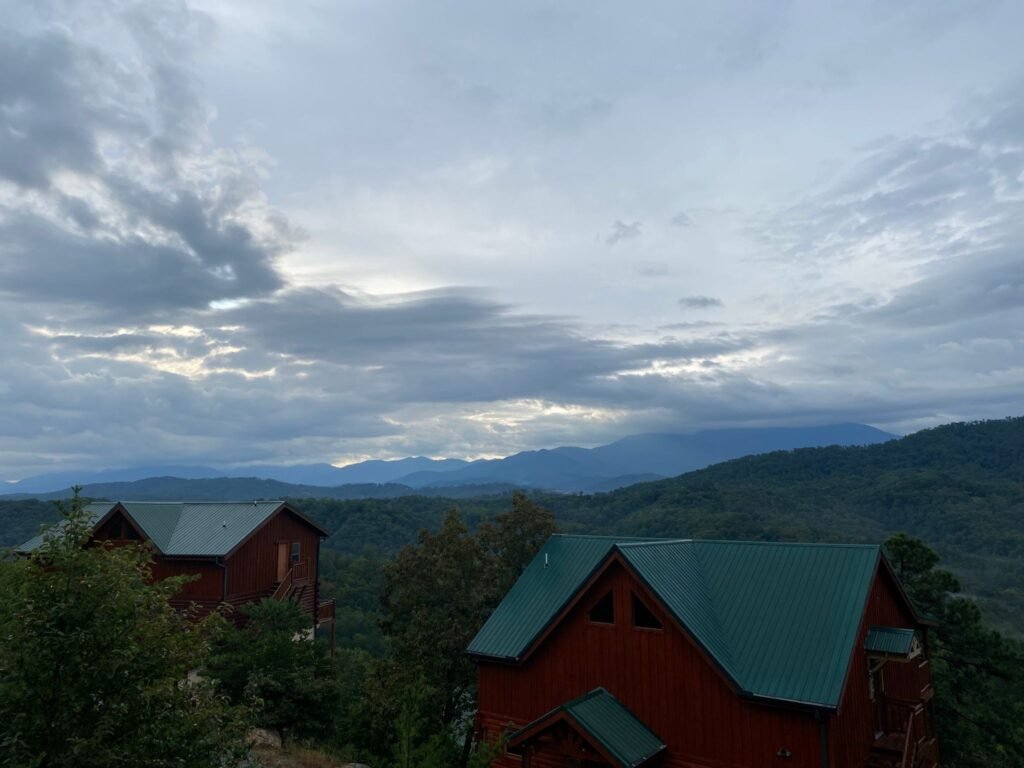
Downtime need not mean sleeping. It might be a slow breakfast on a balcony, an afternoon beside the pool, a book in front of a fire, or an hour watching the weather drift across the ridges. What counts is that nothing is booked and nobody is waiting on you. Families traveling with children should treat unstructured time as a requirement rather than a treat, since the day unravels fast once everyone is worn out.
Putting the Three Together
A reliable pattern looks like this: outdoors in the morning, attractions or shopping in the afternoon, and an unhurried evening at your own speed. Repeat it with different content each day and the trip more or less runs itself. The frame stays steady while the activities change, which spares everyone from making decisions on an empty stomach at nine in the morning.
Put the weather-dependent plans first. If the forecast looks clear on your first full day, spend it on the longest walk or the scenic drive and push the indoor ideas to the days that look doubtful. Keeping the order loose costs nothing and rescues the trip when conditions shift, which in the mountains they regularly do.
Preparing for the Practical Side
Weather at elevation rarely matches the forecast for the valley below, and temperatures on higher ground can sit noticeably cooler than in town. Layers serve better than one heavy coat, and a waterproof outer layer earns its space in the bag in every season. Proper walking shoes matter more than anything else you pack, because even gentle trails hold wet rock and loose gravel in places.
Past clothing, a handful of small habits smooth out the days. Carry water on every walk, keep snacks in the car, download maps before setting off since signal drops quickly away from the main roads, and allow extra driving time in busy periods when traffic through town slows to a crawl. None of it is complicated, and all of it protects the balance you spent time putting together.