 admin
admin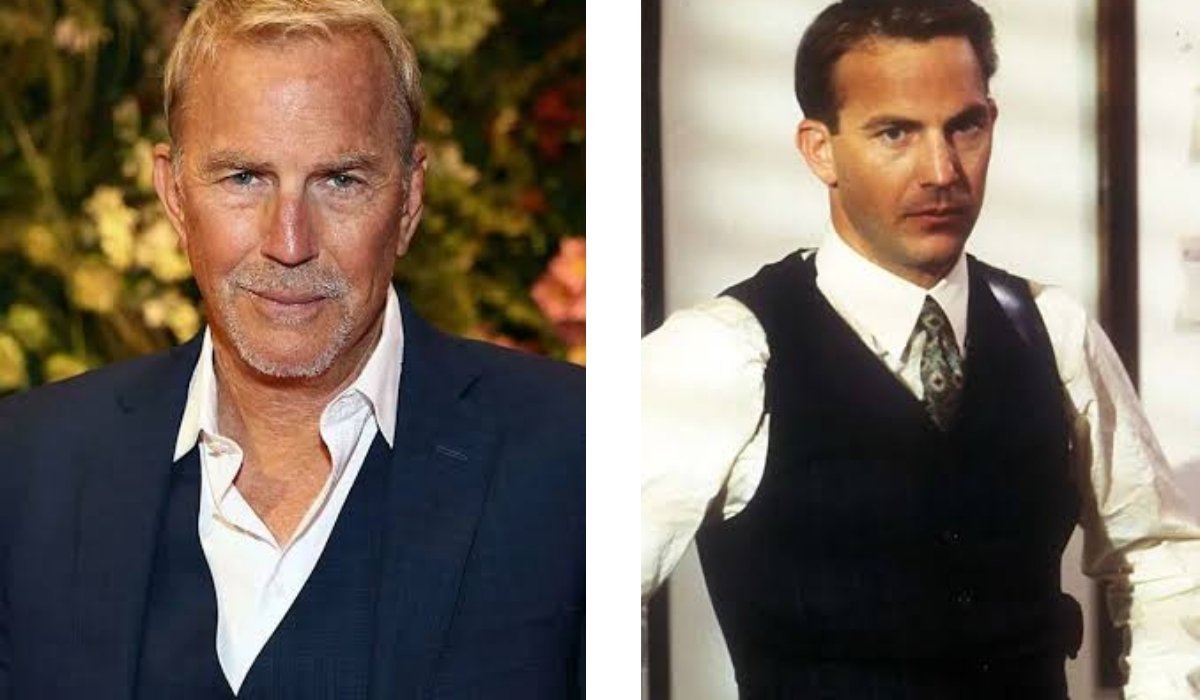
The cinematic landscape of the last five decades has been profoundly shaped by the talent and vision of Kevin Costner. From his humble beginnings in California to his status as a legendary filmmaker, his career represents a dedication to the craft of storytelling. Known for his rugged charm and commitment to epic narratives, he has navigated the complexities of Hollywood with resilience. Whether portraying an American hero or directing grand historical dramas, his influence remains undeniable. As we explore the life and professional trajectory of this versatile entertainer, we uncover the passion that continues to drive his work in 2026.
Quick Bio
| Attribute | Details |
| Full Name | Kevin Michael Costner |
| Date of Birth | January 18, 1955 |
| Birthplace | Lynwood, California |
| Notable Awards | 2 Academy Awards, 3 Golden Globes, Emmy Award |
| Key Roles | Dances with Wolves, The Bodyguard, Yellowstone |
Early Life and Background
Born in Lynwood, California, Kevin Costner was the youngest of three brothers. His father worked as an electrician and utilities executive, requiring the family to move frequently across the state. This itinerant lifestyle allowed him to experience various communities, eventually settling in Orange County. During his youth, he was not primarily focused on academics, finding more solace in sports and music. He participated in the First Baptist Choir and developed an early interest in the arts. These formative years instilled in him a sense of adaptability and a work ethic that would eventually define his professional journey in entertainment.
Education and Initial Career Aspirations

After graduating from Villa Park High School in 1973, he enrolled at California State University, Fullerton. While he pursued a degree in marketing and finance, his interest in acting blossomed during his final college years. He began attending evening classes to refine his skills, often balancing odd jobs to maintain his financial independence. His early employment included working as a truck driver and a guide for tours of Hollywood homes. This period was crucial for his development, as he auditioned relentlessly, determined to break into the competitive film industry despite having no formal connections to the acting world.
Breakthrough into the Film Industry
His transition into acting was gradual, beginning with independent films and minor roles. He gained his first significant exposure through films like “Testament” and the coming-of-age comedy “Fandango.” His friendship with director Lawrence Kasdan proved pivotal, leading to a breakout role in the Western “Silverado.” This performance showcased his ability to balance charisma with a sense of restrained intensity. These early successes were instrumental in establishing his reputation, proving to industry executives that he possessed the screen presence necessary for leading roles. By the mid-1980s, his name began to appear on the radars of major casting directors.
Rising Stardom in the Late Eighties
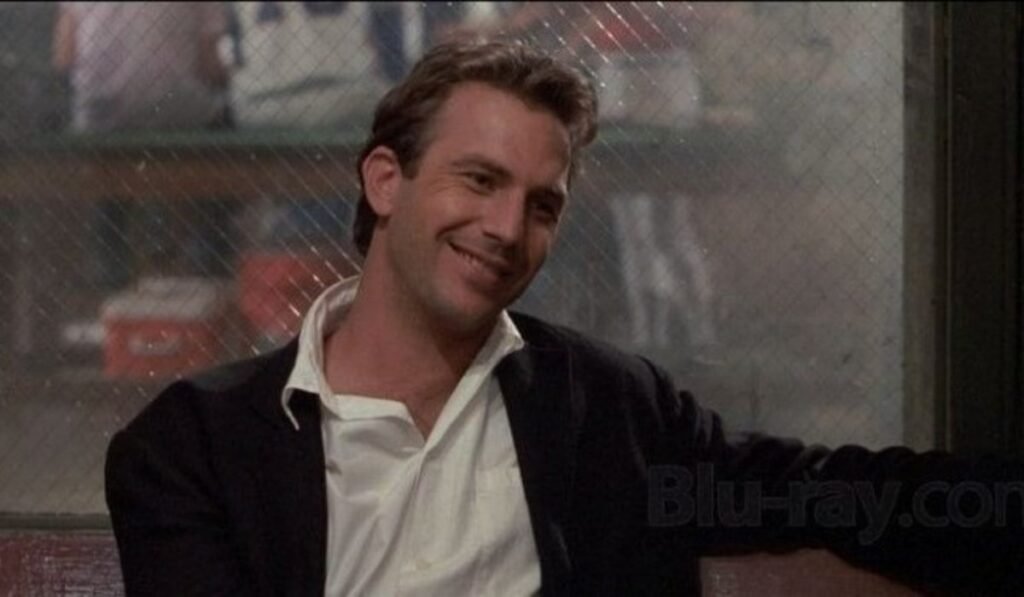
The late 1980s served as a transformative era for his career as he solidified his status as a leading man. Portraying Crash Davis in “Bull Durham” and the iconic Ray Kinsella in “Field of Dreams” cemented his image as an quintessential American sports hero. These films resonated deeply with audiences, blending emotional depth with a quintessential charm that became his trademark. His performances were consistently praised for their authenticity and relatability, which expanded his appeal across diverse demographics. During this time, he became a symbol of reliable cinematic quality, consistently delivering hits that dominated both the cultural conversation and the box office.
The Triumph of Dances with Wolves
Perhaps the most defining milestone in his illustrious career was the 1990 epic, “Dances with Wolves.” Beyond starring as Lieutenant John Dunbar, he took on the ambitious roles of director and producer. The film was a massive critical and commercial success, earning twelve Academy Award nominations and winning seven Oscars, including Best Director and Best Picture. His nuanced approach to Native American history challenged the conventions of the Western genre, highlighting his talent for grand-scale storytelling. This victory elevated him to the elite echelon of Hollywood filmmakers, demonstrating his ability to successfully helm complex, high-budget productions.
Exploring Political and Social Narratives
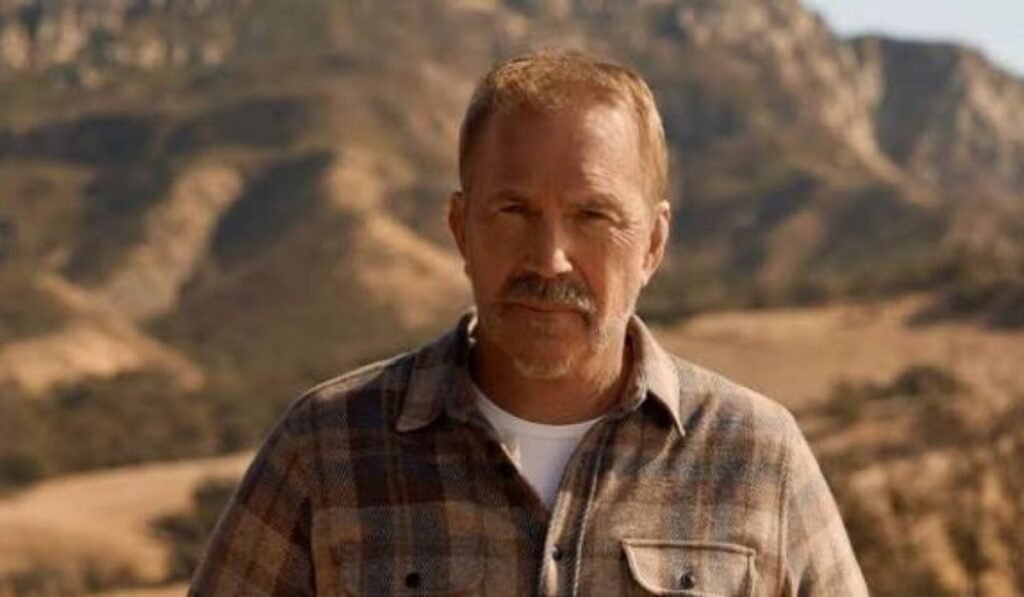
Following his massive success, he continued to tackle challenging projects that explored intricate themes. His portrayal of Jim Garrison in Oliver Stone’s “JFK” demonstrated his willingness to engage with controversial historical and political subject matter. He showcased his versatility again in “Robin Hood: Prince of Thieves,” proving his capability as an action hero. Each role brought a unique perspective, as he carefully selected narratives that often questioned authority or examined the human condition under pressure. His commitment to these complex characters allowed him to remain relevant as audience tastes shifted throughout the 1990s and into the new millennium.
Global Appeal and Commercial Success
The 1992 film “The Bodyguard,” co-starring Whitney Houston, propelled him to even greater international heights. As Frank Farmer, his portrayal of a stoic protector captured the global imagination, further establishing him as a top-tier box office draw. The film’s immense commercial success highlighted his ability to excel in romantic dramas as well as epic Westerns. This period of his life was marked by unparalleled exposure, yet he remained focused on finding projects that pushed his artistic boundaries. His ability to anchor high-stakes productions while maintaining audience connection was unparalleled, making him a staple of nineties cinema culture.
Navigating Challenges in Film Production
Not every project reached the heights of his earlier triumphs, as he faced mixed box office outcomes with ambitious endeavors like “Waterworld” and “The Postman.” Despite the financial hurdles and critical scrutiny these projects faced, they remained testaments to his creative ambition and willingness to take significant risks. He often self-funded or heavily invested in his visions, which illustrated his unwavering belief in the power of storytelling. While these films were sometimes criticized for their scale, they maintained a dedicated cult following and showcased his dedication to the art of filmmaking, regardless of the commercial challenges involved.
Reconnecting with Character-Driven Roles
As his career evolved, he shifted his focus toward character-driven performances that highlighted his growth as an actor. Films like “Mr. Brooks,” “The Company Men,” and “Hidden Figures” allowed him to explore more grounded and emotionally complex figures. In “Hidden Figures,” his role as Al Harrison was lauded for its gravitas and support of the film’s central narrative. This shift demonstrated his maturation, proving that he could excel in supporting roles that added value to an ensemble. This period was essential in bridging the gap between his past as a blockbuster star and his current status as a seasoned veteran.
Introduction to a New Generation
His role as Jonathan Kent in “Man of Steel” introduced his presence to a new generation of audiences familiar with superhero cinema. This casting was a nod to his enduring status as an American icon, bringing a sense of warmth and paternal authority to a major franchise. It allowed him to engage with younger viewers while maintaining his core demographic. By participating in modern blockbusters, he showed his willingness to adapt to the changing landscape of Hollywood. This versatility kept his brand strong and ensured he remained a recognizable figure to cinema fans across all age groups.
Television Success with Yellowstone
His move to television with the hit series “Yellowstone” marked a significant second act in his career. Playing John Dutton, he brought the same level of intensity and rugged authority that defined his film work. The series became a massive cultural phenomenon, revitalizing the Western genre for a modern audience and setting viewership records. His portrayal of a patriarch struggling to maintain his family legacy resonated with a wide, dedicated audience. This role not only reinforced his standing as a master of the Western archetype but also highlighted the potential for cinematic quality storytelling within the television medium.
Musical Pursuits with Modern West
Beyond his visual storytelling, he has long been an active musician with his rock band, “Modern West.” Formed in 2007, the band allows him to blend country-rock influences with his passion for lyrical narratives. Touring globally, he has performed for diverse crowds, sharing his artistic interests beyond the screen. This musical career acts as a creative outlet that complements his acting and directing work, providing a more intimate connection with his fans. It highlights his identity as a multifaceted artist who refuses to be constrained by a single industry or label, continually exploring new avenues of expression.
Dedication to Historical Storytelling
Throughout his life, he has demonstrated a consistent fascination with American history. From “Dances with Wolves” to his executive production work on the Civil War series “The Gray House,” he has consistently sought out narratives that illuminate the past. He believes that stories rooted in history are essential for entertainment, providing context for the present while honoring those who came before. His collaboration with peers like Morgan Freeman on historical dramas underscores his ongoing commitment to these themes. This dedication ensures that his work serves not just as entertainment, but as a bridge to understanding our complex collective heritage.
Recent Ventures and Creative Evolution
As of 2026, he remains actively involved in the entertainment industry, taking on both acting and executive producing roles. Projects such as “Honeymoon with Harry” demonstrate his continued interest in diverse genres, including dramedy. Even after decades in the limelight, he shows no signs of slowing down, consistently seeking out fresh opportunities to collaborate with contemporary filmmakers. His presence in current projects continues to attract significant attention and excitement from fans and industry peers alike. This ongoing creative evolution is a testament to his passion for storytelling and his enduring influence within the competitive environment of professional entertainment.
Embracing Personal and Professional Resilience
His life has not been without personal and professional setbacks, but he has consistently exhibited a high degree of resilience. From weathering the outcomes of ambitious film projects to navigating personal transitions, he remains a figure of determination. His approach to his career—often characterized by “true grit”—has become a source of inspiration for many. Whether he is in front of the camera or working behind it, his ability to bounce back and reinvent his path is a defining characteristic. This tenacity is exactly what has allowed him to remain a relevant and beloved figure for so long.
The Impact of His Directorial Style
His directorial efforts, including his ambitious “Horizon” project, reflect a deeply personal vision for American cinema. Although some of his projects have faced theatrical hurdles, the scale and conviction of his work remain impressive. He possesses a unique ability to capture the vastness of the American landscape and the intimate struggles of his characters. This distinctive style continues to earn him respect among colleagues who value the bravery required to pursue such bold visions. Even when the industry is skeptical, his commitment to his artistic vision remains the cornerstone of his professional legacy and reputation.
Legacy as an American Icon
Ultimately, his legacy is one of unwavering commitment to the American cinematic tradition. By bridging the gap between historical westerns and contemporary dramas, he has created a body of work that is both expansive and deeply personal. He stands as a symbol of integrity in an industry often defined by volatility. Future generations will likely look back at his filmography as a definitive guide to late 20th and early 21st-century storytelling. His contributions continue to inspire new artists, ensuring that his influence will be felt in Hollywood for many years to come.
Looking Toward the Future
With new projects already in the works for the coming years, his journey is far from over. He continues to challenge himself with roles that demand emotional range and dedication. As he steps into his seventh decade, he approaches his work with a sense of perspective and introspection that only experience can provide. Fans can expect his future endeavors to carry the same level of care and passion that defined his earlier success. His story is a continuous arc of development and refinement, proving that a true storyteller always finds new ways to connect with their audience.
The Role of Digital Media
In an era where streaming platforms dominate, his work has found a permanent home in the digital archives of modern entertainment. His classic films are regularly rediscovered by new viewers, while his television work thrives on platforms like Peacock. This accessibility has ensured that his influence is constantly renewed, reaching viewers globally. The ease with which audiences can now access his vast library of performances has solidified his status as a permanent fixture in popular culture. As he moves forward, he continues to navigate this digital landscape, ensuring his work reaches every corner of the globe.
Frequently Asked Questions
- Has he retired from acting?
- No, he remains actively involved in both film and television projects as of 2026.
- What was his breakthrough film?
- His breakthrough role came with the 1985 Western “Silverado.”
- How many Academy Awards has he won?
- He has won two Academy Awards, both for his work on “Dances with Wolves.”
- Is he still performing with his band?
- Yes, he continues to lead his rock band, Modern West, and performs music globally.
- Where can I find more information about his filmography?
- You can view his comprehensive career details on the Kevin Costner page.