
 Khizar Seo
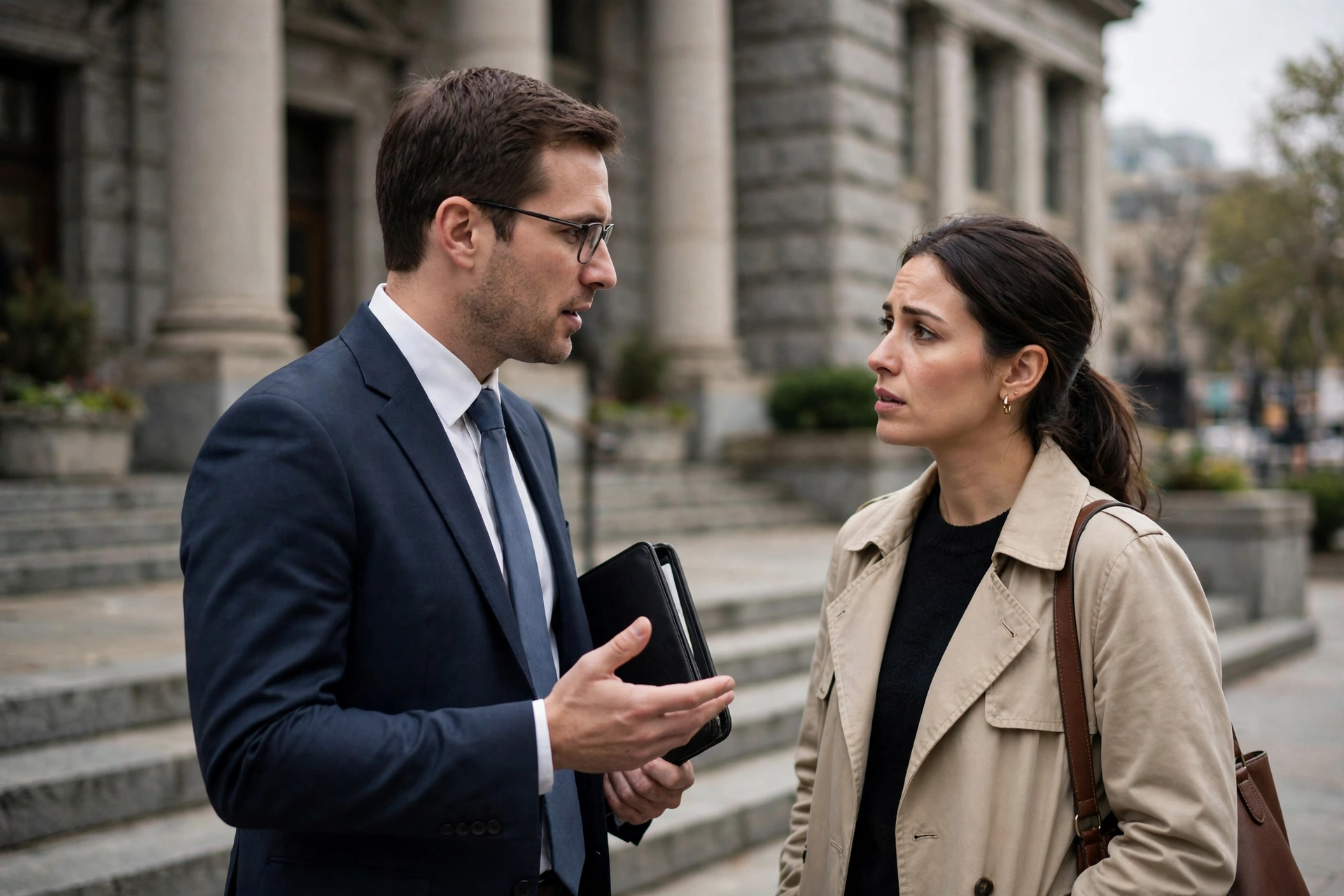
When someone is accused of violating probation, the consequences can be serious and life-altering. Probation is often granted as an alternative to incarceration, allowing individuals to remain in their communities under certain conditions set by the court. However, any alleged violation—whether technical, such as missing a meeting with a probation officer, or substantive, like being arrested for a new offense—can trigger a legal process that may result in stricter penalties or even jail time. Understanding what happens next is crucial for anyone facing such an accusation, as the steps involved are complex and the stakes are high.
What to Expect After a Probation Violation
The Initial Allegation and Notification Process
When a probation officer or law enforcement agency believes that someone has violated the terms of their probation, the process typically begins with a formal allegation. This can happen in several ways, such as a failed drug test, missing a scheduled appointment, or being charged with a new crime. Once the alleged violation is identified, the probation officer will usually file a report with the court detailing the nature of the infraction. The individual on probation is then notified, often through a summons or an arrest warrant, depending on the severity of the alleged violation. This notification is a critical moment, as it marks the start of a legal process that can move quickly and have significant consequences. The accused person may be taken into custody or ordered to appear in court for a probation violation hearing, where the judge will review the circumstances and determine the next steps.
The Probation Violation Hearing
After the initial notification, the next major step is the probation violation hearing. This hearing is different from a criminal trial in several important ways. The standard of proof is lower; instead of "beyond a reasonable doubt," the court only needs to be convinced by a "preponderance of the evidence" that a violation occurred. The judge will listen to testimony from the probation officer, the accused, and any other relevant witnesses. The accused has the right to present evidence and argue their case, but the process is generally less formal than a full trial. It is during this stage that having legal assistance from Abraham Law Firm can make a significant difference, as experienced legal counsel can help challenge the evidence, negotiate with the prosecution, and advocate for the accused's interests. The outcome of the hearing will determine whether the court finds that a violation occurred and, if so, what penalties or modifications to probation will be imposed.
Possible Outcomes and Penalties
If the court determines that a probation violation has occurred, several outcomes are possible, depending on the nature and severity of the violation, as well as the individual's prior record and the original offense. The judge has broad discretion in deciding what happens next. In some cases, the court may simply issue a warning or add additional conditions to the existing probation terms, such as requiring more frequent check-ins or participation in counseling programs. In more serious cases, the judge may revoke probation entirely and impose the original jail or prison sentence that was suspended when probation was granted. Other potential penalties include extending the length of probation, ordering community service, or mandating participation in treatment programs. The specific outcome will depend on the facts of the case, the arguments presented at the hearing, and the judge's assessment of the individual's willingness and ability to comply with probation in the future.
The Importance of Legal Representation
Legal representation is crucial when facing a probation violation accusation. The stakes are high, as a negative outcome can result in incarceration or stricter probation terms. An attorney can review the evidence, identify procedural errors, and advocate for the accused's rights throughout the process. They can also negotiate with prosecutors to seek alternatives to jail, such as treatment programs or community service, and present mitigating factors to the judge. Having a knowledgeable advocate can make a significant difference in the outcome, ensuring that the accused receives fair treatment and that all available defenses are explored. Legal counsel can also help navigate the complexities of the legal system, explain the potential consequences, and provide guidance on the best course of action.
Probation Violation and Your Future
A probation violation can have lasting effects beyond the immediate legal consequences. It can impact employment opportunities, housing options, and even relationships with family and friends. A violation on record may make it more difficult to secure certain jobs or professional licenses, and it can also affect eligibility for future probation or parole. Understanding the long-term implications is important for anyone accused of violating probation, as the decisions made during this process can shape their future in significant ways. Taking the situation seriously and seeking appropriate legal guidance is essential to minimize the negative impact and work toward a positive resolution.
Understanding Technical vs. Substantive Violations
Not all probation violations are treated equally. Technical violations refer to breaches of the specific conditions set by the court, such as missing appointments, failing to pay fines, or not completing required programs. Substantive violations, on the other hand, involve being charged with or convicted of a new crime while on probation. Courts often view substantive violations more harshly, as they suggest a disregard for the law beyond the original offense. However, even technical violations can lead to serious consequences if the court believes the individual is not taking probation seriously. Understanding the difference between these types of violations can help individuals and their attorneys develop an effective defense strategy and anticipate the likely response from the court.
Steps to Take If Accused of Violating Probation
If someone is accused of violating probation, it is important to act quickly and responsibly. The first step should be to consult with an attorney who can assess the situation and provide guidance on how to proceed. Gathering documentation, such as proof of completed requirements or evidence that contradicts the alleged violation, can be helpful in building a defense. It is also important to maintain open communication with the probation officer and comply with any instructions or court orders. Taking proactive steps can demonstrate to the court a willingness to comply with probation and may influence the outcome of the hearing. Prompt action and informed decision-making are key to achieving the best possible result.
The Role of the Probation Officer
Probation officers play a central role in the probation process, including monitoring compliance and reporting violations to the court. They are responsible for ensuring that individuals on probation adhere to the conditions set by the judge, and they have the authority to recommend actions if a violation is suspected. The relationship between the probation officer and the individual can significantly impact how violations are handled. In some cases, a probation officer may choose to address minor issues informally, while in others, they may initiate formal proceedings. Understanding the probation officer's role and maintaining a cooperative relationship can be beneficial for individuals on probation, as it may influence how potential violations are reported and resolved.
Conclusion
Facing an accusation of violating probation is a serious matter that can have immediate and long-term consequences. The process involves several steps, from the initial allegation and notification to the probation violation hearing and the judge's decision on penalties. Each stage presents opportunities and challenges, and the outcome can significantly affect a person's freedom and future prospects. Legal representation is essential to ensure that the accused's rights are protected and that all available defenses are presented effectively. Understanding the process, the potential outcomes, and the importance of proactive action can help individuals navigate this difficult situation and work toward a resolution that minimizes negative consequences. Taking probation seriously and seeking appropriate guidance are crucial steps for anyone facing such an accusation.