 BlitZ
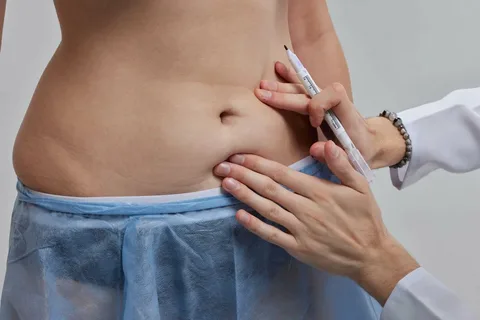
Liposuction removes stubborn fat from areas such as the abdomen, hips, and thighs. This form of plastic surgery is used for body contouring and helps create a defined shape in the treated areas. Since each patient has different goals, the surgeon develops a treatment plan based on their needs. Here is how body contouring with liposuction works and what to expect:
How Does Liposuction Provide Contouring?
Liposuction reshapes selected areas by removing localized fat deposits through suction. A surgeon inserts a thin tube called a cannula through a small incision and moves it through the fatty tissue to loosen and remove fat through suction. Incision placement depends on the treatment area, with surgeons generally aiming to minimize visible scarring. This form of plastic surgery helps refine areas that remain resistant to diet and exercise. Common treatment areas include:
- Abdomen
- Waist
- Hips
- Buttocks
- Thighs
- Knees
- Chin
There are different liposuction techniques, including traditional liposuction, tumescent liposuction, the super-wet technique, and ultrasound-assisted liposuction (UAL). The methods differ in how they prepare or break down fat for removal, and the surgeon selects the most appropriate approach for the treatment plan. Liposuction removes localized fat deposits, but it does not address significant excess skin or tighten abdominal muscles. Abdominoplasty, also known as a tummy tuck, is a form of plastic surgery that removes excess abdominal skin and fat while tightening the underlying abdominal muscles. Liposuction may be combined with a tummy tuck to remove stubborn fat and refine abdominal contours.
What Happens During Contouring Surgery?
The process begins with a consultation to discuss aesthetic goals, medical history, treatment options, and expected results. The surgeon examines the treatment area and explains which liposuction technique fits the patient’s needs. Before-and-after photos help patients understand potential results, while a discussion of incision placement shows where small cuts may be made.
Patients also share information about medications, supplements, allergies, smoking, and alcohol use. On surgery day, anesthesia is administered based on the treatment area, the extent of the procedure, and the patient’s needs. To reach the targeted areas, the surgeon makes small incisions in the skin.
The medical team monitors the patient throughout the operation. Once the fat has been removed, the incisions are closed with sutures or left partially open to allow fluid drainage. Liposuction is usually performed as an outpatient procedure, so most patients are able to return home the same day.
What Does Liposuction Recovery Entail?
Rest allows the body to heal after liposuction. Patients should limit physical activity during the first few days and ask for help with household tasks if needed. Gentle walking supports circulation; strenuous exercise and heavy lifting should remain restricted until the surgeon approves a return to these activities. Swelling and bruising gradually fade as the body heals. Compression garments help reduce swelling and support the treated areas, and patients should wear them for the period their surgeon recommends.
As part of plastic surgery aftercare, keeping the treatment area clean and following the surgeon’s instructions support proper wound care and healing. Patients should also follow directions for changing dressings and caring for incision sites. Attending follow-up appointments allows the surgeon to monitor healing, assess swelling, and provide guidance throughout recovery. These visits also give patients an opportunity to discuss concerns and review their progress.
Hire a Plastic Surgery Expert
Body contouring with liposuction helps refine selected areas by removing stubborn fat deposits that resist diet and exercise. During a consultation, patients discuss their goals, and the surgeon will explain suitable treatment options. Explore your available plastic surgery options and schedule a consultation to learn how liposuction can help refine your body contours.