 admin
admin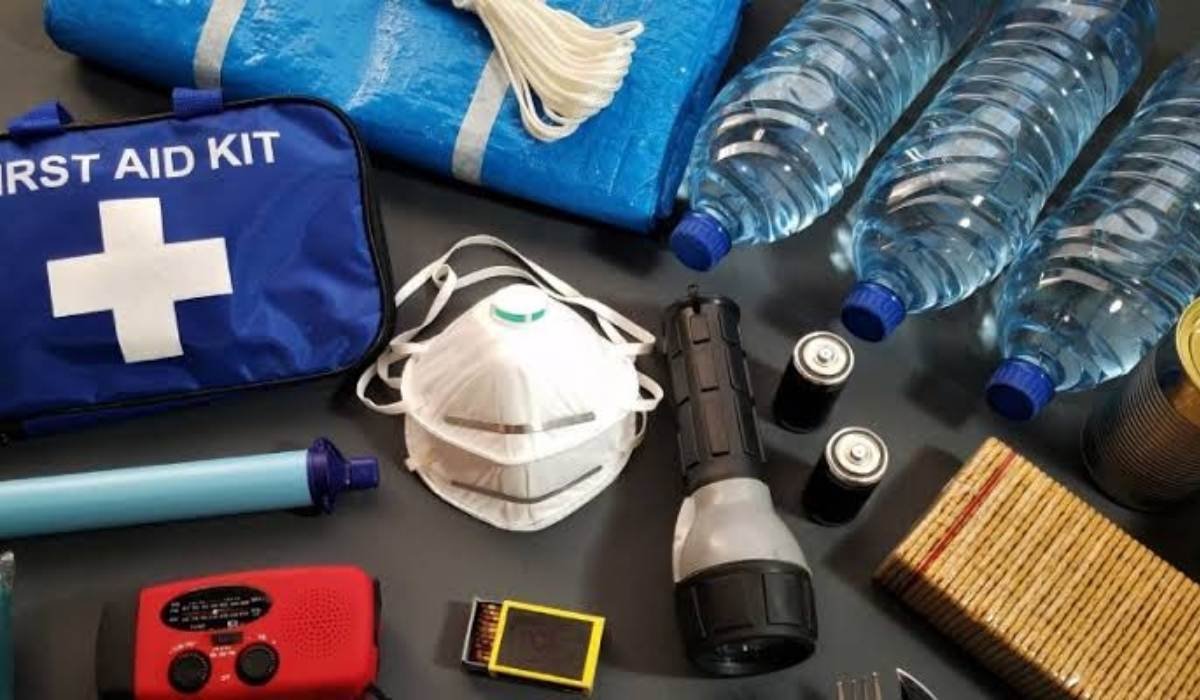
In the modern professional landscape, workplace medical preparedness is a fundamental pillar of corporate responsibility. Emergencies can strike without warning—ranging from cardiac events and severe allergic reactions to workplace accidents and falls. While professional emergency responders are often summoned immediately, the actions taken by colleagues in the first few critical minutes can be the deciding factor between life and death. A comprehensive strategy for workplace medical preparedness ensures that organizations are not just compliant with safety regulations, but are actively fostering a secure, supportive environment where employees feel protected, valued, and capable of responding to crises.
| Quick Bio: Workplace Medical Preparedness |
| Concept: A systematic approach to managing medical emergencies through proactive planning, training, and resource allocation. |
| Goal: Minimizing injury severity, preventing secondary harm, and ensuring a coordinated response until EMS arrives. |
| Core Elements: Risk assessment, first aid/CPR training, AED deployment, and clear emergency communication protocols. |
| Key Benefits: Faster recovery, reduced downtime, boosted employee morale, and regulatory compliance. |
The Critical Importance of Rapid Response
Workplace medical preparedness is vital because medical emergencies are unpredictable. Whether a colleague suffers a stroke, a heart attack, or a severe laceration, the immediate response determines the long-term prognosis. By equipping staff with the knowledge to recognize symptoms and act decisively, companies significantly reduce the chaos and panic that often accompany such incidents. This level of readiness transforms a potential disaster into a managed event, ensuring that the injured party receives the necessary baseline support long before professional medical assistance can physically arrive at the scene.
Identifying Workplace-Specific Risks
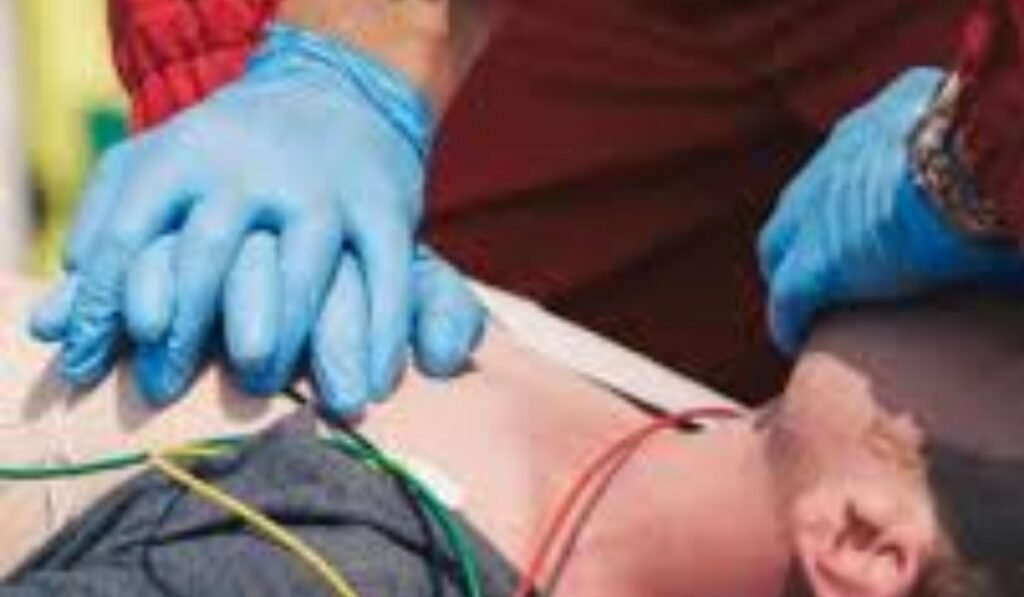
Effective preparedness begins with a thorough risk assessment. Different environments present unique hazards; for example, a construction site faces different threats than a corporate office or a chemical manufacturing facility. Leaders must evaluate their specific layouts, the nature of work performed, and the presence of hazardous materials to tailor their medical plans accordingly. By understanding these unique risks, businesses can proactively stock appropriate medical supplies, implement targeted training programs, and design evacuation or shelter-in-place strategies that address the specific vulnerabilities of their workforce.
Implementing Comprehensive First Aid Training
Training is the heartbeat of any medical preparedness plan. It is not enough to simply have a first aid kit; employees must be trained to use its contents effectively. Comprehensive programs should cover essential life-saving skills, including cardiopulmonary resuscitation (CPR), the use of automated external defibrillators (AEDs), and techniques for controlling severe bleeding. These courses should be ongoing, providing regular refreshers to ensure that skills remain sharp and that employees feel confident in their ability to intervene if a situation arises, thereby fostering a culture of safety across the entire organization.
The Role of Automated External Defibrillators (AEDs)
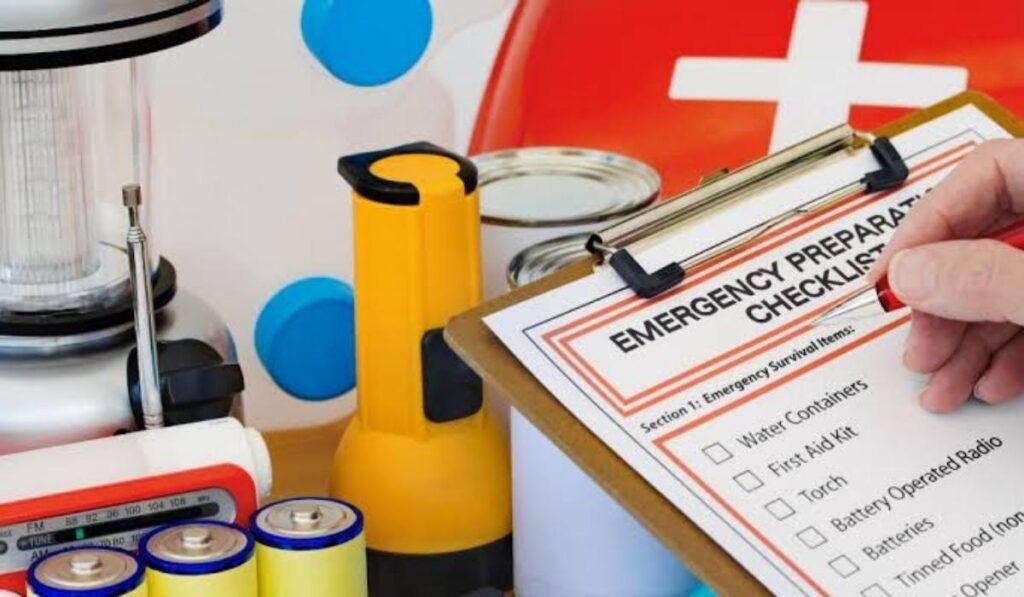
Sudden cardiac arrest can occur in any setting. AEDs are essential tools in modern workplace medical preparedness. These devices are designed to be used by laypeople, providing clear, voice-guided instructions that can save a life when a heart rhythm becomes irregular. Strategically placing AEDs in accessible, well-marked locations—and ensuring that a significant portion of the staff is trained to operate them—dramatically increases survival rates. Maintenance of these devices, including regular battery and pad checks, is as important as their initial acquisition to ensure they are ready for use.
Establishing Clear Emergency Communication Protocols
During a medical crisis, communication can become fragmented. An effective workplace medical preparedness plan includes a robust communication protocol that defines how to alert internal teams, how to call emergency services, and how to guide responders to the correct location. This may involve using dedicated internal notification systems, designating specific personnel to meet paramedics at the building entrance, or ensuring that emergency numbers are posted clearly near every phone. Clear, reliable communication minimizes delay and ensures that professional responders have all the information they need to provide optimal care upon arrival.
Integrating Mental Health First Aid
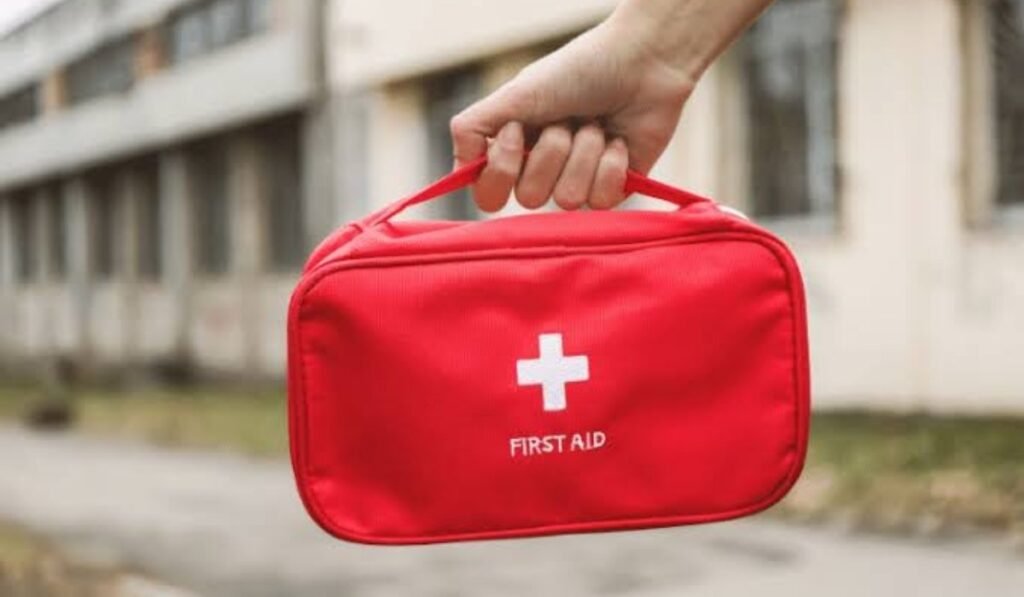
Workplace medical preparedness is evolving to include mental health. With stress, anxiety, and burnout on the rise, organizations are recognizing that mental health crises require a structured response, just like physical injuries. Training employees in mental health first aid enables them to identify signs of distress, offer initial support, and guide colleagues toward professional help. This proactive stance creates a more inclusive, supportive work environment where employees feel secure knowing that their psychological well-being is valued alongside their physical safety, ultimately enhancing morale and productivity.
Ensuring Regulatory Compliance and Documentation
Legal requirements often mandate a minimum level of medical preparedness. Compliance is not merely about avoiding fines; it is about establishing a standardized, legally defensible framework for safety. Organizations must maintain up-to-date records of employee training, equipment inspections, and emergency incidents. Regularly auditing these documents helps identify gaps in the plan, such as expired certifications or understocked first aid kits, ensuring the company remains in alignment with local, state, and national safety regulations and best practices.
The Importance of Drills and Simulations
Static plans are often forgotten; dynamic plans are practiced. Regular drills and simulations are crucial for workplace medical preparedness because they test the real-world application of established procedures. By conducting realistic scenarios—such as a simulated cardiac event or a workplace accident—employees learn how to coordinate their actions, activate the emergency chain of command, and overcome the adrenaline-driven confusion that typically occurs during an actual crisis. These exercises are invaluable for refining response times and ensuring that every team member understands their specific role.
Roles and Responsibilities in an Emergency
A well-prepared workplace assigns specific roles to ensure a coordinated response. Key personnel, such as trained first-aiders, fire wardens, or incident controllers, should know exactly what is expected of them during an emergency. This role allocation prevents the “bystander effect,” where individuals wait for someone else to act. Whether it is the person calling 911, the person retrieving the AED, or the person clearing the area for paramedics, every designated role contributes to a systematic, calm, and effective emergency management process that safeguards all personnel.
Maintaining Accessible and Stocked First Aid Kits
First aid supplies must be readily available and properly maintained. Workplace medical preparedness requires a regular audit schedule for all medical kits to replace used items, discard expired products, and add specialized supplies based on the specific hazards of the site. Kits should be stored in high-visibility areas that are free from obstruction. Furthermore, staff should be periodically reminded of the location of these kits, as in a high-stress emergency, even familiar locations can be forgotten if they are not reinforced through routine and awareness.
Creating a Culture of Safety and Support
Workplace medical preparedness is as much about culture as it is about equipment. When leadership prioritizes safety, it sends a powerful message that employees are valued. This involves encouraging staff to report near-misses, rewarding participation in training, and leading by example when following safety protocols. A supportive culture fosters collaboration, trust, and loyalty, as employees feel confident that their employer is committed to their well-being, which leads to higher levels of satisfaction and a stronger, more resilient organization overall.
Responding to Natural Disasters and External Threats
Medical preparedness must extend to large-scale events like natural disasters or civil disturbances. In these scenarios, the workplace may need to shelter in place or execute a mass evacuation. Medical readiness in this context involves having extended-use first aid supplies, identifying employees with specific medical needs who require extra assistance, and having a clear plan for how to coordinate with external emergency management agencies. By accounting for these wider-impact emergencies, businesses ensure they are prepared to handle not just isolated accidents but broader crises.
Post-Incident Reviews and Continuous Improvement
The cycle of preparedness is never truly complete. Following any emergency or drill, organizations should conduct a post-incident review to analyze what worked well and where improvements are necessary. This review should be objective and comprehensive, involving feedback from all participants. By integrating these “lessons learned” into the emergency plan, companies can continuously refine their protocols, update their training, and address emerging hazards, ensuring that their approach to workplace medical preparedness evolves alongside the business.
Addressing Special Needs and Disabilities
A truly inclusive preparedness plan considers the needs of every employee, including those with disabilities or chronic health conditions. Workplace medical preparedness requires specific strategies for assisting these individuals during evacuations or medical emergencies, such as providing tactile alarms for the visually impaired or visual devices for the hearing-impaired. By proactively consulting with these employees and involving them in the planning process, organizations ensure that their medical safety net is accessible, equitable, and effective for the entire workforce.
The Role of Management in Preparedness
Management’s commitment is the driving force behind effective preparedness. By providing the necessary resources—funding for training, time for drills, and investment in modern medical technology—leadership demonstrates a tangible commitment to worker safety. Management should also actively participate in reviews and drills to signal their dedication to the program’s success. When leadership is visibly engaged, it encourages broader participation and accountability across the organization, ensuring that medical readiness remains a top priority even during the busiest operational periods.
Training for Specialized Industrial Hazards
For workplaces with specialized industrial hazards, general first aid training is often insufficient. Environments dealing with chemicals, high-voltage electricity, or heavy machinery require specialized preparedness. This includes training in spill response, handling specific hazardous materials, and understanding how to interpret safety data sheets (SDS). By tailoring the medical preparedness program to the specific risks of the industry, companies provide a much higher level of protection, ensuring that staff are equipped to handle the unique, high-stakes medical situations they might encounter.
Leveraging Technology in Emergency Response
Technology is increasingly becoming an asset in medical preparedness. From smartphone apps that provide real-time first aid guidance to automated emergency notification systems that broadcast alerts to all staff, digital tools can expedite response times. Some advanced workplaces even use wearable technology to monitor employee safety in hazardous roles. Integrating these technologies requires careful planning and regular testing, but they offer significant benefits in terms of data collection, communication speed, and the ability to coordinate a response during the chaos of an emergency.
Establishing Strategic Partnerships
Organizations do not need to work in isolation. Building partnerships with local hospitals, fire departments, and EMS providers can significantly enhance workplace medical preparedness. These partnerships may include site tours for local first responders, shared training opportunities, or coordinated communication plans for high-hazard environments. By fostering these professional relationships, businesses ensure that local emergency teams are already familiar with the workplace layout and risks, which can shave crucial minutes off response times in a real-world emergency.
Building Resilience Through Education
Education is a continuous process that builds organizational resilience. Beyond standard first aid, periodic educational campaigns can reinforce safety awareness, such as recognizing the signs of heat exhaustion during summer or the symptoms of a stroke. By making safety a constant topic of conversation—via newsletters, safety posters, or brief team meetings—employers maintain a high level of medical awareness. This constant focus ensures that medical preparedness is not treated as a “one-off” compliance task but as a permanent, integral part of the daily operational culture.
Conclusion: A Commitment to Lasting Safety
Workplace medical preparedness is an invaluable commitment to the safety, security, and well-being of every organization. By integrating risk assessment, comprehensive training, strategic resource allocation, and a culture of support, businesses can create an environment where emergencies are met with efficiency and confidence. While no one hopes for an emergency, the readiness to handle one is the hallmark of a resilient and responsible business. Investing in this preparedness today is the most effective way to ensure a safer, healthier, and more productive future for all employees.
- What are the key components of a workplace medical plan?
- A medical plan should include a site-specific risk assessment, access to stocked first aid kits, AEDs, clearly defined emergency communication protocols, and regular, hands-on training for staff.
- Who should be trained in first aid?
- While there are often designated safety officers, it is a best practice to train as many employees as possible to ensure that a skilled responder is always nearby when an emergency occurs.
- How often should we conduct emergency drills?
- Drills should be conducted regularly—at least annually, though more frequent exercises may be required for high-hazard environments—to test the effectiveness of the emergency action plan and keep skills current.
- Is mental health training part of medical preparedness?
- Increasingly, yes. Mental health first aid is becoming a critical component of preparedness, helping employees recognize and support colleagues experiencing stress, anxiety, or crises.
- How can we ensure compliance with safety regulations?
- Organizations should perform periodic audits of their safety policies, maintain detailed training and incident records, and stay updated on local and national occupational safety standards.