 admin
admin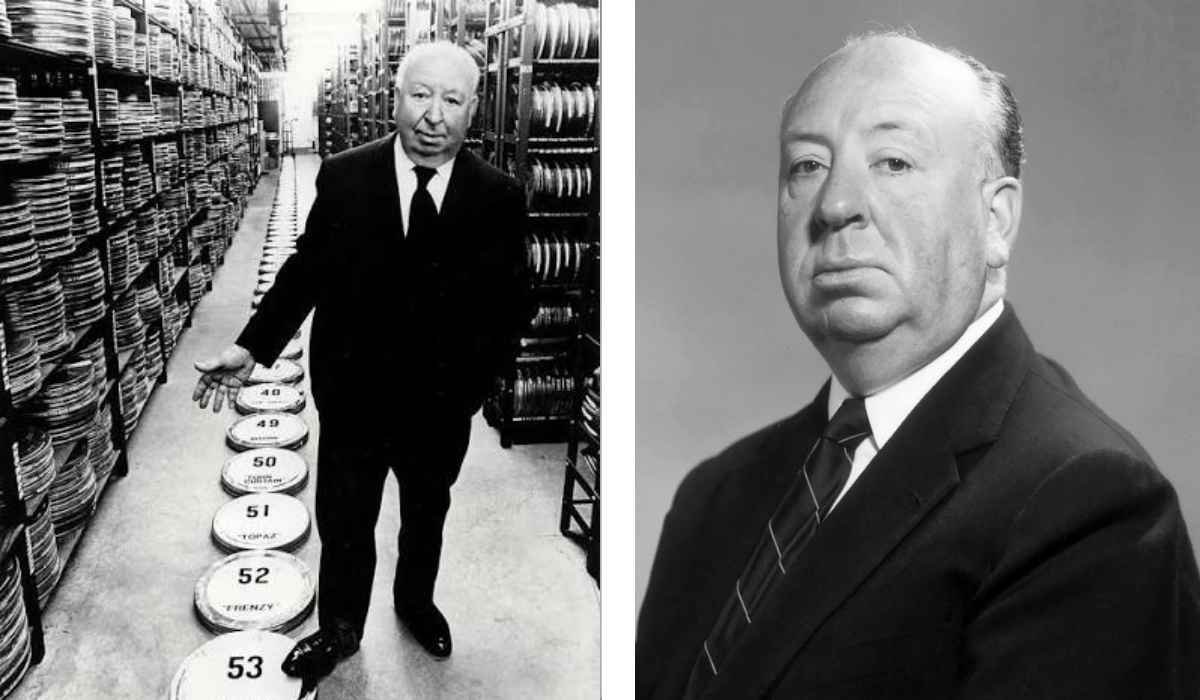
The landscape of modern cinema, international suspense filmmaking, and global visual culture during the twentieth century owes an immeasurable debt of gratitude to the extraordinary artistic genius of Alfred Hitchcock, whose pioneering directorial techniques completely transformed the global entertainment industry. During a time when classical Hollywood studio films frequently relied on straightforward theatrical dialogue rather than pure cinematic grammar, this remarkable filmmaker rose to prominence with a vision rooted in psychological tension, innovative camera movement, and unyielding technical precision.
By defining the psychological thriller genre across iconic masterpieces, television anthologies, and groundbreaking cinematic experiments, he demonstrated that moving images could be effectively harnessed to manipulate audience emotion, revolutionize visual storytelling, and alter global film production forever. His life remains a guiding light for anyone striving to master the art of cinematic suspense and directorial innovation.
Quick Bio Snapshot
- Full Name: Sir Alfred Joseph Hitchcock
- Lifespan: August 13, 1899 – April 29, 1980
- Key Role: English film director, producer, and legendary “Master of Suspense”
- Major Achievement: Pioneered revolutionary camera techniques and directed some of the most influential psychological thrillers in cinema history
Early Life and Childhood Roots of Alfred Hitchcock
The journey of Alfred Hitchcock began in Leytonstone, Essex, England, where he was born into a strict Catholic family with a greengrocer father and a devoted mother. Growing up in London during the early twentieth century within a disciplined household that emphasized order and observation, he developed an early fascination with maps, railways, and mechanical contraptions. These formative years planted the seeds of a meticulous analytical mind and an obsessive attention to visual detail. Studying engineering and art at Salesian College and the University of London, he laid a strong structural and technical foundation that prepared him for an extraordinary career in cinema.
Early Editorial Work and Entry into Silent Film
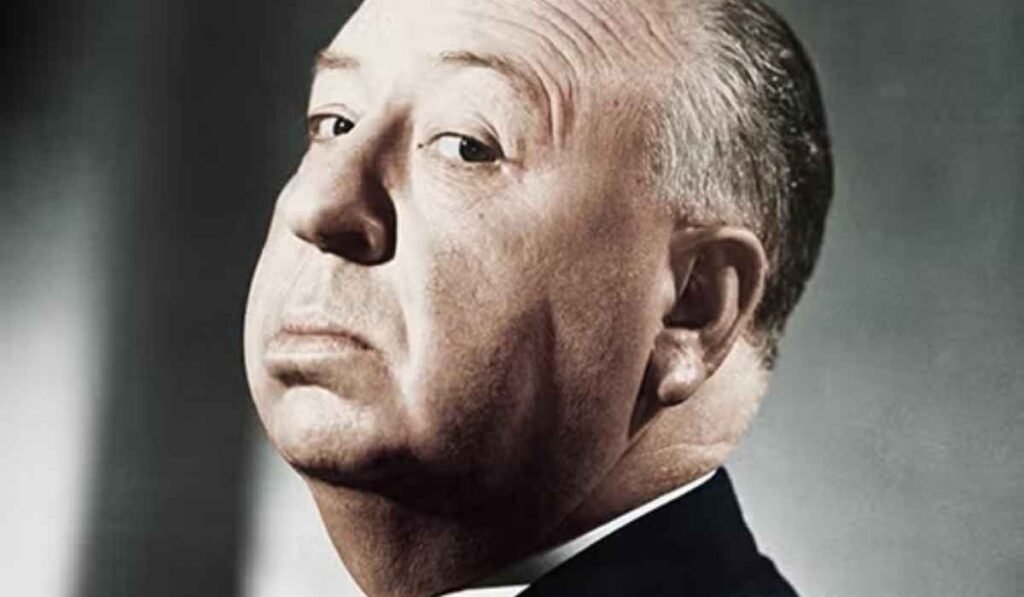
Professional development skyrocketed when Alfred Hitchcock began working in the British film industry during the silent era, initially designing title cards for Islington Studios before quickly expanding into screenwriting, art direction, and assistant directing. Displaying an intuitive grasp of visual composition and cinematic pacing, he captured the attention of studio executives. His true breakthrough as a director arrived with his innovative silent thriller The Lodger: A Story of the London Fog in 1927, which established his signature thematic obsession with wrongfully accused men and psychological guilt. This critical success launched his professional career, establishing Alfred Hitchcock as a rising visionary force in British film.
British Masterpieces and International Recognition
Transatlantic and domestic prominence arrived when Alfred Hitchcock directed a succession of brilliant suspense thrillers within the British film industry during the 1930s, including The 39 Steps, The Lady Vanishes, and Sabotage. With his masterful control over pacing, witty dialogue, and suspenseful plotting—pioneering the concept of the “MacGuffin”—he rapidly established himself as the premier thriller director of Europe. However, rather than remaining content with domestic studio limitations, he actively sought out bigger Hollywood budgets and creative freedom, setting his sights on an ambitious move to the United States.
Hollywood Transition and Rebecca
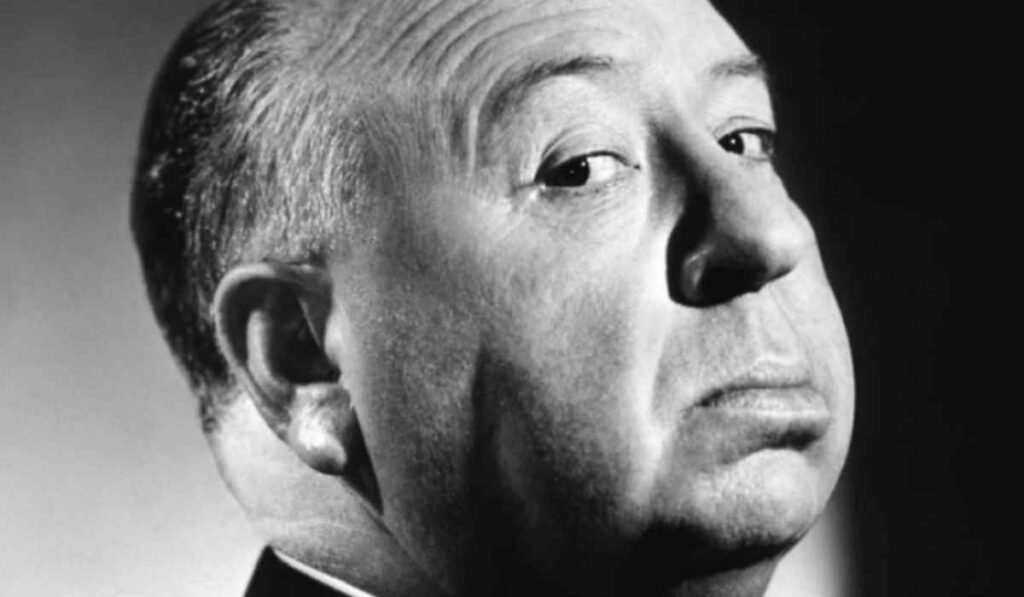
Critical recognition arrived when Alfred Hitchcock relocated to Hollywood in 1939 and immediately collaborated with producer David O. Selznick to direct the haunting gothic psychological drama Rebecca in 1940. Starring Laurence Olivier and Joan Fontaine, the film earned universal rave reviews from skeptical critics and secured the Academy Award for Best Picture. His brilliant ability to blend atmospheric dread with intricate character psychology earned him his first Best Director nomination and cemented his status as a major American filmmaking force. This critical acclaim proved that Alfred Hitchcock was a master of transatlantic cinematic storytelling.
Post-War Masterpieces and Rear Window
Cultural superstardom exploded when Alfred Hitchcock entered his legendary mid-century golden era during the 1950s, directing a succession of flawless cinematic masterworks that redefined popular culture. Collaborating with top-tier Hollywood stars like James Stewart and Grace Kelly, he directed the ingenious single-apartment thriller Rear Window in 1954, exploring voyeurism and urban isolation with unmatched technical precision. This masterpiece was followed by the dazzling romantic thriller To Catch a Thief and the breathtaking alpine mystery Strangers on a Train, cementing his status as an undisputed global master of cinema.
Vertigo and Psycho: The Pinnacle of Suspense
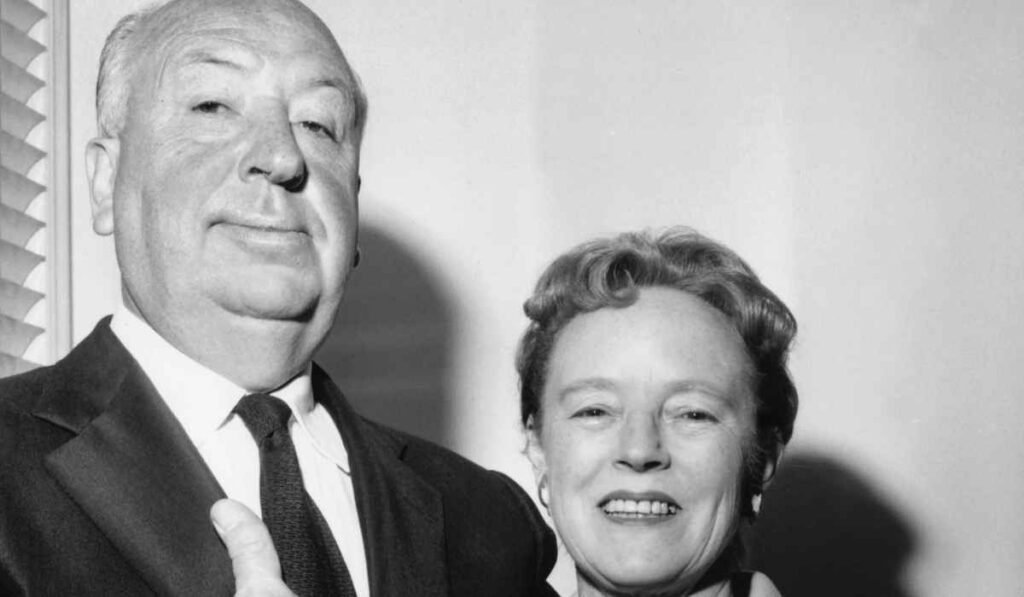
Historical cinematic triumph arrived when Alfred Hitchcock released two back-to-back cinematic earthquakes that changed the course of film history: the haunting, hypnotic psychological exploration Vertigo in 1958, which introduced the revolutionary “dolly zoom” effect, followed by the terrifying horror-thriller Psycho in 1960. Enduring severe studio resistance and intense censorship battles over the infamous shower scene, he revolutionized industry distribution and shocked global audiences. In doing so, he solidified his status as the undisputed “Master of Suspense.” This monumental victory cemented the status of Alfred Hitchcock as an immortal artistic titan.
Television Pioneering and Alfred Hitchcock Presents
Creative expansion characterized his career strategy when Alfred Hitchcock embraced the emerging medium of television, hosting and producing the wildly popular anthology series Alfred Hitchcock Presents beginning in 1955. Delivering droll, deadpan introductions and darkly humorous outros, he became a globally recognizable pop-culture icon whose face was synonymous with clever mystery. Rather than resting on his cinematic laurels, Alfred Hitchcock continuously sought out innovative ways to reach audiences, proving his absolute dedication to entertaining the public across all visual formats.
The Birds and Later Directorial Career
Artistic risk-taking reached new heights when Alfred Hitchcock directed the terrifying ecological horror masterpiece The Birds in 1963, utilizing revolutionary visual effects and mechanical avian props to terrorize a coastal California town. Although his later films like Marnie, Torn Curtain, and Frenzy experienced mixed critical responses upon release, film historians have increasingly celebrated their complex psychological depths. This remarkable late-career productivity proved that the creative fascination of the public with Alfred Hitchcock endured across generations, setting an unmatched benchmark for professional longevity.
Cultural Icon Status and Global Influence
Commanding international respect through his distinct silhouette, deadpan British humor, and legendary cinematic contributions, Alfred Hitchcock evolved into one of the most recognizable cultural icons of the modern era. From his iconic cameo appearances in every film he directed to his permanent place in global film school curricula, every stylistic choice he made captured the world’s attention. However, his public persona remained famously enigmatic and sharp-witted. The timeless cultural legacy of Alfred Hitchcock continues to inspire contemporary directors, cinematographers, and suspense novelists worldwide.
Work Ethic and Meticulous Technical Preparation
Exerting exceptional levels of professional dedication, Alfred Hitchcock approached every production with legendary preparation, famously declaring that he had his films completely edited in his head before shooting even began, rarely looking through the camera viewfinder on set. His obsessive storyboard discipline and technical precision set an unmatched historical benchmark for directorial control. Whether calculating precise camera angles for a murder sequence or supervising complex optical effects, Alfred Hitchcock viewed filmmaking as a rigorous architectural science, instilling a professional standard that remains a gold standard for Hollywood directors.
Global Tributes and Lifetime Honors
Witnessing the widespread international celebrations surrounding his lifetime career honors—including receiving the Irving G. Thalberg Memorial Award from the Academy of Motion Picture Arts and Sciences and being knighted by Queen Elizabeth II shortly before his passing—revealed the profound emotional connection that Alfred Hitchcock held with global audiences and peers whose craft he had fundamentally transformed. Cultural institutions across the globe regularly host retrospectives of his legendary filmography. This collective global admiration demonstrated that Alfred Hitchcock was not just a filmmaker, but a globally cherished architect of modern visual art.
Cultural Impact and Global Legacy
Decades after his passing, the cultural impact of Alfred Hitchcock remains vividly alive in global memory, film academies, thriller fiction, and modern media production spaces. Film scholarships and directing masterclasses inspired by his visual grammar continue to guide emerging filmmakers worldwide. The professional blueprint left by his career changed how modern studios approach suspense editing, point-of-view camera placement, and audience psychological manipulation. His enduring message reminds humanity that true cinematic greatness requires rigorous planning, technical mastery, and an unshakeable understanding of human anxiety.
Modern Relevance and Timeless Directing Teachings
Contemporary performers and aspiring filmmakers frequently look back to the artistic trajectory of Alfred Hitchcock for inspiration when navigating visual storytelling, breaking genre molds, and maintaining creative autonomy over their projects. As new generations discover his classic catalog of thrillers through streaming media and theatrical re-releases, the technical brilliance demonstrated by his career provides a reliable roadmap for artistic mastery. Honoring his memory requires more than nostalgic remembrance; it demands active participation in film preservation, supporting visual literacy, and defending the dignity of cinematic craftsmanship just as he did throughout his extraordinary life.
Inspiring Future Generations of Global Artists
The ongoing realization of the artistic ideals championed by Alfred Hitchcock rests heavily upon the shoulders of emerging directors, cinematographers, and editors across the globe. Film academies and cinematic institutions continually introduce young minds to his transformative films and editing techniques, ensuring that the foundational values of visual rhythm, suspense, and discipline are passed down. Each individual who chooses meticulous visual storytelling over lazy exposition helps fulfill the vision once embodied by his classic productions. The journey toward cinematic evolution is continuous, requiring constant dedication and creativity from everyone who shares his passion for film.
Commemoration and Reflection on His Life and Art
Annual observances and retrospective film festivals dedicated to the cinematic career of Alfred Hitchcock serve as important moments for international self-reflection, encouraging artists and fans to engage in cinematic celebration and film appreciation. These traditions keep the spirit of classical suspense alive, transforming historical remembrance into a living movement of active artistic contribution. Through these collective efforts, his legacy transcends the history books, manifesting daily in film studios, editing suites, and global cinemas operating across the globe.
Conclusion: The Eternal Spirit of Cinematic Suspense
Ultimately, the profound impact of Alfred Hitchcock defies simple categorization, representing a permanent shift in how humanity values cinematic suspense, visual grammar, and directorial auteurship. His unwavering faith in the power of pure cinema and the psychological depth of storytelling continues to inspire millions across cultural, geographic, and generational divides. As long as people strive for cinematic enjoyment, cultural expression, and deep emotional resonance, the visionary spirit embodied by Alfred Hitchcock will forever illuminate the path toward a brighter, more suspenseful future for all mankind.
Frequently Asked Questions
- Where was Alfred Hitchcock born before revolutionizing international cinema?
- He was born in Leytonstone, Essex, England, on August 13, 1899.
- Which 1940 gothic psychological thriller marked his successful transition to Hollywood and won Best Picture?
- He directed the Academy Award-winning film Rebecca.
- What revolutionary camera technique did he popularize to simulate a character’s dizziness in Vertigo?
- He utilized the “dolly zoom” (or trombone shot) effect.
- Which 1960 horror masterpiece revolutionized distribution and featured the iconic shower scene?
- He directed the legendary thriller Psycho.
- What was the name of the popular television anthology series that brought his signature persona into American living rooms?
- He hosted and produced Alfred Hitchcock Presents.