
 admin
admin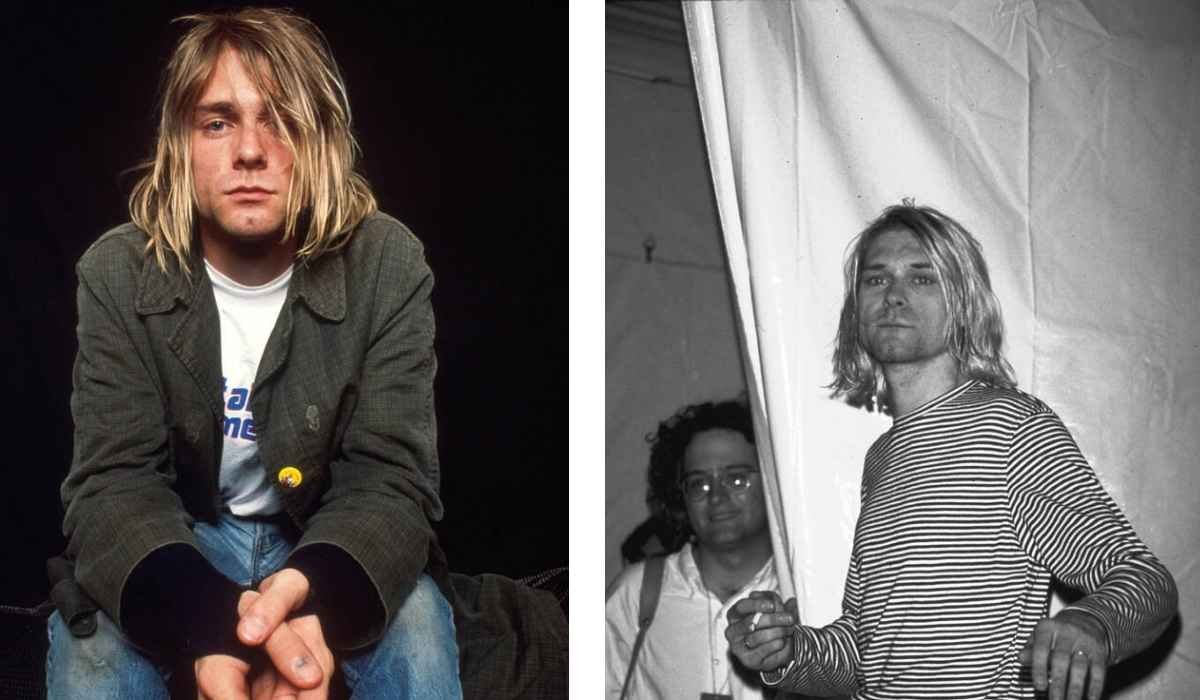
Music changed forever when a troubled yet brilliant young artist from Aberdeen, Washington, rose to global prominence with a raw, unpolished sound that resonated deeply with an entire generation. Kurt Cobain became an accidental icon, capturing the angst, disillusionment, and alienation of youth culture during the late twentieth century through his work as the primary songwriter and frontman of the legendary rock band Nirvana.
His unique approach to songwriting combined heavy guitar riffs with deeply personal, vulnerable lyricism, shattering the glossy and superficial boundaries of mainstream commercial music at the time. Even decades after his tragic passing, the cultural footprint left behind by Kurt continues to influence modern alternative rock, fashion, and contemporary discussions regarding mental health and artistic authenticity.
Quick Bio
| Attribute | Detail |
| Name | Kurt Donald Cobain |
| Birth Date | February 20, 1967 |
| Death Date | April 5, 1994 (aged 27) |
| Occupation | Musician, Songwriter, Artist |
| Band | Nirvana |
| Spouse | Courtney Love |
Early Life and Childhood Roots in Washington
Growing up in the Pacific Northwest provided a rustic, often gloomy backdrop that heavily shaped the early worldview and creative sensibilities of Kurt Cobain during his formative years. Born in 1967, he initially displayed a bright and cheerful demeanor, accompanied by an early fascination with drawing cartoon characters and expressing artistic tendencies.
However, a major turning point occurred when his parents divorced during his childhood, introducing emotional turbulence that shattered his sense of security and stability. This disruptive domestic shift planted seeds of alienation that would later manifest as core thematic elements in the songwriting of Kurt. Relocating between various relatives and friends’ households created a transient lifestyle that further intensified his internal struggles with teenage angst and identity.
Discovery of Punk Rock and Underground Music

Entering adolescence brought a rebellious streak, leading Kurt Cobain to reject traditional social norms and find solace within the thriving underground punk rock community. Discovering local punk ethos introduced him to a DIY culture that emphasized raw expression over technical mastery, perfectly aligning with his anti-establishment viewpoints. Attending underground shows and listening to gritty independent records allowed Kurt to feel a sense of belonging that eluded him in conventional school environments. This exposure inspired him to pick up the guitar and start experimenting with various musical projects alongside fellow local misfits and aspiring artists. The energetic liberation found within punk rock provided an essential outlet for the mounting frustrations and emotional pain experienced by Kurt.
Formation of Nirvana and Early Struggles
The late nineteen-eighties marked the official inception of Nirvana, a musical partnership formed when Kurt Cobain teamed up with bassist Krist Novoselic in Washington. Navigating the regional underground circuit required immense dedication as the duo cycled through several different drummers while trying to define their signature sound. Financial instability and transient living conditions tested the resolve of Kurt as he worked odd jobs and sometimes slept rough just to keep his artistic vision alive. Despite these hardships, their relentless dedication eventually caught the attention of independent labels, laying the groundwork for their initial breakthrough. The gritty determination of Kurt during these formative years cemented a resilient foundation for the legendary band’s future explosive success.
The Release of Bleach and Underground Success
Signing with Sub Pop records enabled the release of their debut studio album, Bleach, which captured the heavy, sludgy tones of the burgeoning regional music scene. Although it did not immediately shatter mainstream charts, the record established Kurt as a formidable songwriter capable of blending heavy metal riffs with punk aggression. Touring across the country in cramped vans allowed Nirvana to build a dedicated grassroots fan base through electrifying and chaotic live performances. During this era, the artistic direction of Kurt began to mature, incorporating more melodic hooks into their inherently noisy and distorted compositions. This underground traction set the stage for a monumental shift in popular music that caught even Kurt entirely off guard.
Dave Grohl Joins and the Definitive Lineup
A crucial turning point arrived when drummer Dave Grohl joined the fold, completing the classic lineup that would propel Kurt Cobain and his bandmates into superstardom. Grohl’s powerful drumming style perfectly complemented the distinctive vocal delivery and guitar rhythms crafted by Kurt, creating a dynamic onstage synergy. Rehearsals became more focused and the creative chemistry within the trio reached unprecedented heights as they prepared for their major label debut. Recognizing the unique talent of his bandmates allowed Kurt to push his musical boundaries further than ever before. This solidified lineup gave Kurt the exact sonic vehicle needed to translate the complex melodies echoing in his head into reality.
The Phenomenon of Nevermind and Global Stardom
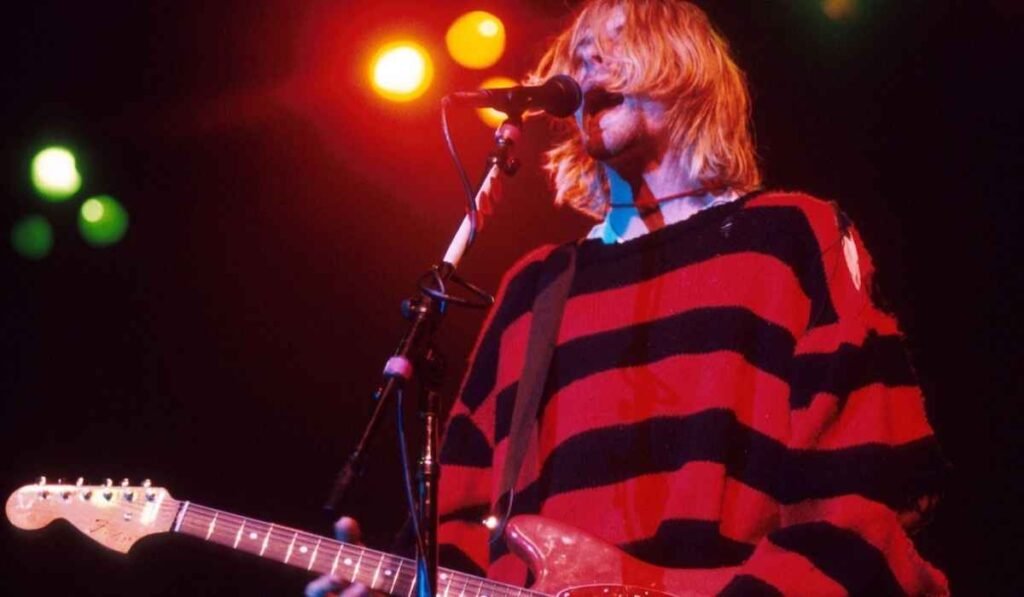
The release of their landmark album Nevermind in nineteen-ninety-one completely revolutionized the global music landscape and instantly thrust Kurt Cobain into international prominence. Propelled by the massive success of the lead single, the album dethroned pop icons from the top charts and signaled a massive cultural pivot. Overnight, Kurt found himself heralded as the reluctant spokesperson for a disillusioned generation that deeply connected with his introspective lyrics. Despite achieving the commercial dreams of many musicians, this sudden fame deeply troubled Kurt, who felt misunderstood by mainstream media outlets. The overwhelming attention complicated the personal life of Kurt, transforming his daily existence into a relentless media spectacle.
Smells Like Teen Spirit as a Generation Anthem
Few tracks in rock history captured a cultural zeitgeist as effectively as the iconic anthem driven by the unmistakable guitar riff crafted by Kurt Cobain. The song combined infectious hooks with sarcastic, angsty lyrics that mirrored the apathy and frustration felt by youth across the globe. Music videos featuring chaotic high school pep rallies further cemented the status of Kurt as an unexpected pop culture icon. Although he occasionally grew tired of playing the track due to its massive commercial saturation, Kurt recognized its undeniable power to unite crowds. This single track single-handedly altered the trajectory of modern rock radio, ensuring that Kurt would forever remain etched in musical history.
Marriage to Courtney Love and Fatherhood
In the midst of his meteoric rise, personal life took a major turn when Kurt Cobain entered a high-profile relationship with fellow musician Courtney Love. The couple married in Hawaii in nineteen-ninety-two, capturing widespread media fascination and frequent tabloid scrutiny regarding their respective careers and lifestyles. Shortly after, Kurt experienced profound joy with the birth of his daughter, Frances Bean Cobain, whom he adored deeply. Fatherhood offered him a renewed sense of purpose, although managing family life alongside intense global touring schedules proved exceptionally difficult for Kurt. Balancing the demands of public stardom with private responsibilities created a constant emotional tug-of-war for Kurt during his final active years.
Artistic Frustrations and In Utero Release
Following the immense pressure of their breakthrough success, the subsequent album In Utero represented a deliberate attempt by Kurt Cobain to reclaim artistic control. Featuring a much raweer, abrasive sound and themes exploring vulnerability and fame, the record proved that Kurt refused to pressurize his art for commercial safety. Tracks on the album addressed his physical ailments and public scrutiny, showcasing a mature yet deeply troubled songwriter confronting his demons. Critics praised the uncompromising vision of Kurt, noting that the album successfully reconciled his punk roots with massive stadium appeal. This creative output demonstrated that Kurt remained fiercely protective of his integrity despite the corporate machinery surrounding him.
Health Struggles and Chronic Pain Battles
Behind the scenes of international tours and sold-out arenas, Kurt Cobain endured severe physical challenges, including a painful, undiagnosed chronic stomach condition that plagued him for years. This constant agony heavily impacted his daily life, leading Kurt to seek various medical treatments that unfortunately did not provide lasting relief. To self-medicate the intense discomfort, he began using substances, which eventually spiraled into a severe addiction that shadowed his career. The intersection of chronic physical pain, severe clinical depression, and substance dependence placed an immense strain on Kurt. Friends and bandmates watched helplessly as these compounding health issues eroded the vitality of Kurt during his final months.
The Acclaimed MTV Unplugged Performance
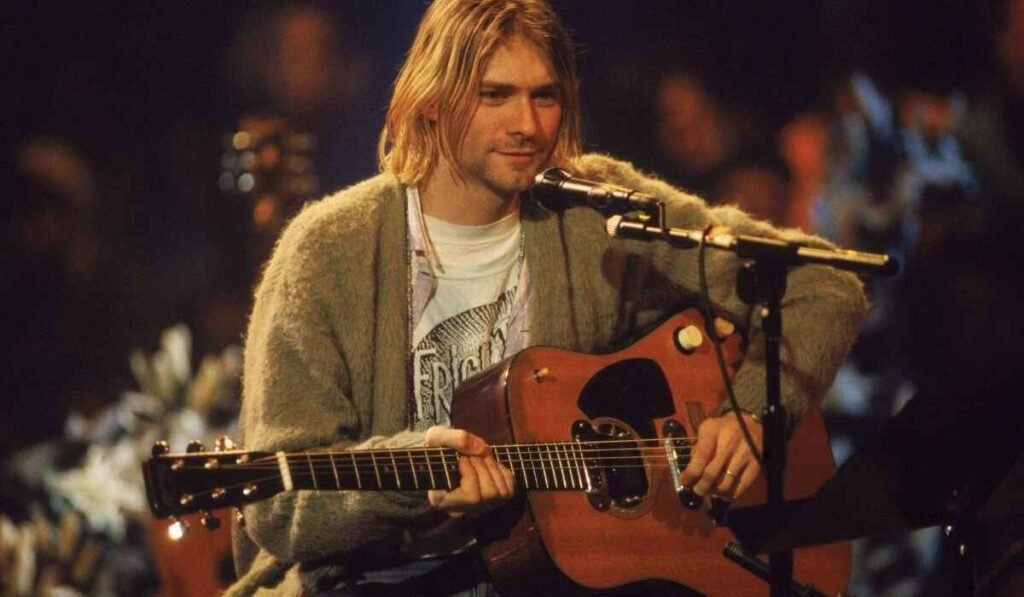
Demonstrating incredible musical versatility, the acoustic performance recorded for television showcased a softer, deeply vulnerable side of Kurt Cobain and his bandmates. Eschewing their traditional loud amplifiers, the set featured haunting covers alongside stripped-down versions of their catalog, highlighting the pure songwriting genius of Kurt Cobain. Surrounded by lilies and candles, the intimate atmosphere allowed the melancholic vocals of Kurt Cobain to take center stage, captivating viewers worldwide. This posthumously celebrated performance remains widely regarded as one of the finest live acoustic sets ever captured on film, immortalizing Kurt Cobain. It proved that the musical depth of Kurt Cobain extended far beyond distorted power chords and aggressive rock anthems.
The Final Days and Tragic Passing
The early months of nineteen-ninety-four brought escalating crises, culminating in health interventions and personal struggles that deeply worried those close to Kurt Cobain. After leaving a medical treatment facility, he returned to his home in Seattle, where his tragic death occurred in early April at the age of twenty-seven. The sudden loss sent shockwaves through the international music community, plunging millions of fans into profound grief over the passing of Kurt Cobain. Authorities later ruled his death a suicide, leaving a permanent scar on the alternative rock landscape that had grown around Kurt Cobain. Tributes poured in from fellow musicians and fans worldwide, cementing the heartbreaking status of Kurt Cobain within music history.
Cultural Impact and Generation X Legacy
Long after his untimely departure, the cultural resonance of Kurt Cobain continues to define the spirit and ethos of Generation X and alternative music. His rejection of rock star pretension and advocacy for progressive social values redefined what it meant to be a mainstream celebrity, inspiring Kurt Cobain fans globally. Documentaries, books, and exhibitions dedicated to his life regularly revisit the complex artistry and vulnerability embodied by Kurt Cobain. Fashion trends inspired by his thrift-store aesthetic remain popular pillars of modern style, proving the enduring visual influence of Kurt Cobain. Ultimately, the cultural footprint left by Kurt Cobain serves as a timeless reminder of raw artistic expression and emotional honesty.
Posthumous Releases and Preserved Recordings
Efforts to preserve his creative output led to several posthumous albums, demos, and a published collection of personal journals that offered deeper insights into Kurt Cobain. Unreleased home recordings and rare tracks curated by family members allowed supporters to explore the diverse artistic mind of Kurt Cobain beyond finished studio records. These archival projects ensured that the creative legacy of Kurt Cobain remained active, introducing his revolutionary sound to subsequent generations of listeners. Documentarians utilized his personal sketches and audio tapes to paint an authentic portrait of Kurt Cobain for modern audiences. Each preserved note highlights the meticulous yet spontaneous genius that defined every melody crafted by Kurt Cobain.
Influence on Modern Alternative Rock Artists
Countless contemporary rock bands and solo singer-songwriters frequently cite the distinctive guitar style and lyricism of Kurt Cobain as a primary source of inspiration. His ability to transition seamlessly from gentle, whispered verses to explosive, roaring choruses taught modern musicians the power of dynamic contrast championed by Kurt Cobain. By proving that vulnerability could triumph over technical perfection, Kurt Cobain opened doors for thousands of independent artists to embrace their flaws. Tribute albums and cover versions performed by top global acts continue to honor the enduring catalog of Kurt Cobain. The musical DNA embedded by Kurt Cobain remains visibly alive within the heartbeat of modern alternative and indie rock genres today.
Mental Health Awareness and Open Discussions
The tragic circumstances surrounding his passing sparked essential global conversations regarding mental health awareness, depression, and the pressures faced by public figures like Kurt Cobain. Advocates and mental health organizations frequently reference his struggles to destigmatize psychological distress and encourage individuals to seek professional help. Fans and peers honor his memory by supporting initiatives that foster open dialogues about emotional well-being, echoing the vulnerability found in Kurt Cobain lyrics. Recognizing these struggles helps humanize the iconic status often assigned to Kurt Cobain by the media and public. Through these ongoing conversations, the legacy of Kurt Cobain actively promotes empathy, compassion, and mental health support worldwide.
Inductee Into the Rock and Roll Hall of Fame
In twenty-fourteen, the immense contributions of the band were officially recognized when Kurt Cobain and his bandmates were inducted into the Rock and Roll Hall of Fame. Surviving members accepted the honor, celebrating the revolutionary impact that the music created by Kurt Cobain had on generations of fans and critics. Acceptance speeches highlighted his fierce artistic independence, creativity, and the unforgettable energy brought by Kurt Cobain to every stage. Museums and exhibitions dedicated to rock history prominently feature memorabilia connected to Kurt Cobain, preserving his physical instruments and iconic cardigans. This prestigious induction cemented the permanent placement of Kurt Cobain among the most influential musicians in modern history.
Enduring Appeal of His Lyrical Themes
Decades after their initial recording, the raw, poetic lyrics penned by Kurt Cobain continue to resonate with teenagers and adults navigating life’s complex challenges. Themes of isolation, empathy, societal disillusionment, and self-acceptance explored by Kurt Cobain transcend specific generational boundaries and eras. Listeners find comfort in knowing that even a globally celebrated icon like Kurt Cobain experienced similar doubts and emotional pains. This timeless emotional connection ensures that the catalog of Kurt Cobain remains relevant across changing musical trends and digital streaming platforms. The poetic brilliance embedded in the songwriting of Kurt Cobain guarantees his voice will never truly fade away.
Conclusion of a Legendary Musical Journey
Reflecting upon the extraordinary life and career reveals an artist who forever altered the DNA of modern popular culture and rock music. Despite battling immense personal and physical hardships, Kurt Cobain gifted the world an unforgettable soundtrack defined by honesty, passion, and raw creativity. His influence lives on through every chord struck by aspiring guitarists and every dialogue sparked surrounding artistic integrity and mental health. The cultural and musical blueprint established by Kurt Cobain remains an immortal testament to the power of staying true to oneself. For deeper insights into his life, career, and enduring legacy, you can visit the FRIENDLY.
FAQs
- Q1: When was Kurt Cobain born?
- Kurt Cobain was born on February 20, 1967.
- Q2: What band did Kurt Cobain lead?
- He was the lead vocalist and guitarist for the grunge band Nirvana.
- Q3: What was Nirvana’s breakthrough album?
- Their major-label debut album, Nevermind, released in 1991.
- Q4: When did Kurt Cobain pass away?
- He passed away on April 5, 1994, at the age of 27.
- Q5: When was Kurt Cobain inducted into the Rock and Roll Hall of Fame?
- He was posthumously inducted alongside his bandmates in 2014.