 admin
admin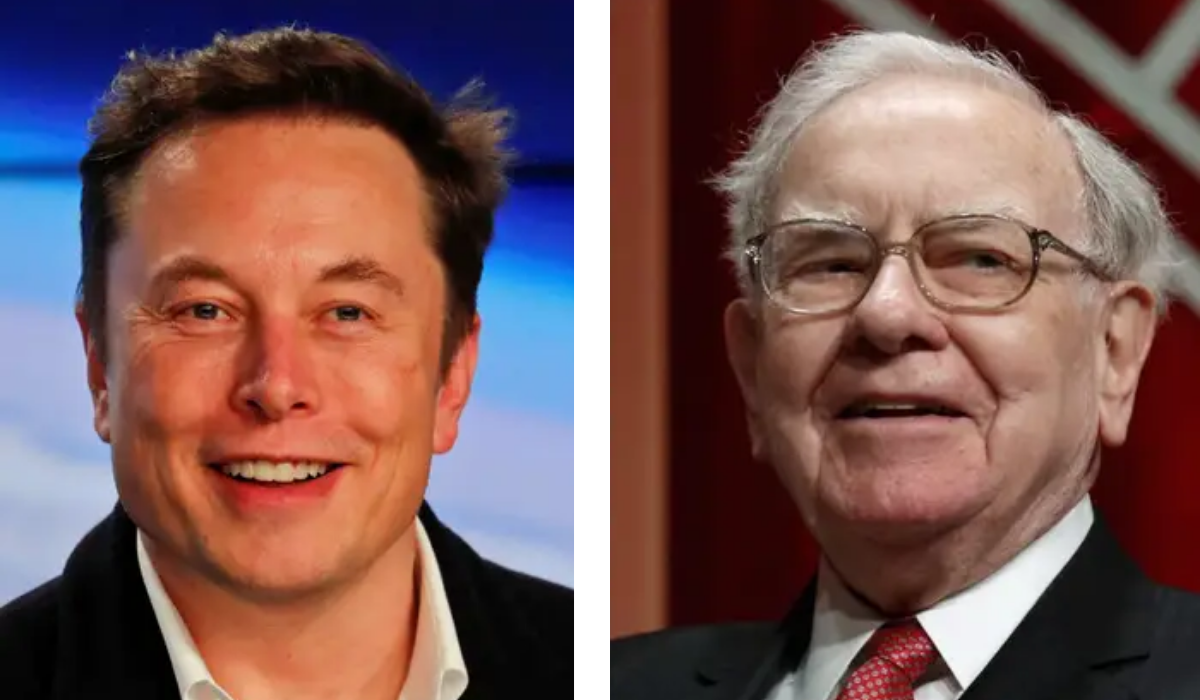
Warren Buffett has long captured global attention through his unmatched financial acumen, timeless principles, and remarkable journey from a young entrepreneurial boy in Nebraska to becoming one of the most successful investors in human history. His consistent application of disciplined value investing has built lasting wealth.
Quick Bio
| Feature | Details |
| Full Name | Warren Edward Buffett |
| Date of Birth | August 30, 1930 |
| Place of Birth | Omaha, Nebraska, USA |
| Profession | Investor, Businessman, Philanthropist |
| Known For | Value Investing and Berkshire Hathaway |
Early Childhood Beginnings and Roots
Warren Buffett was born in Omaha, Nebraska, during the depths of the Great Depression, an era that profoundly shaped his views on money. His father worked as a stockbroker and later served as a United States Congressman, giving young Warren an early glimpse into the fascinating world of finance. Even as a small child, he displayed a keen intellect and a natural fascination with numbers, often spending hours calculating numbers or analyzing data. These formative years laid down a solid bedrock of frugality, cautious resource management, and acute awareness of economic cycles that would guide Warren Buffett throughout his entire professional life.
First Entrepreneurial Ventures and Hustles
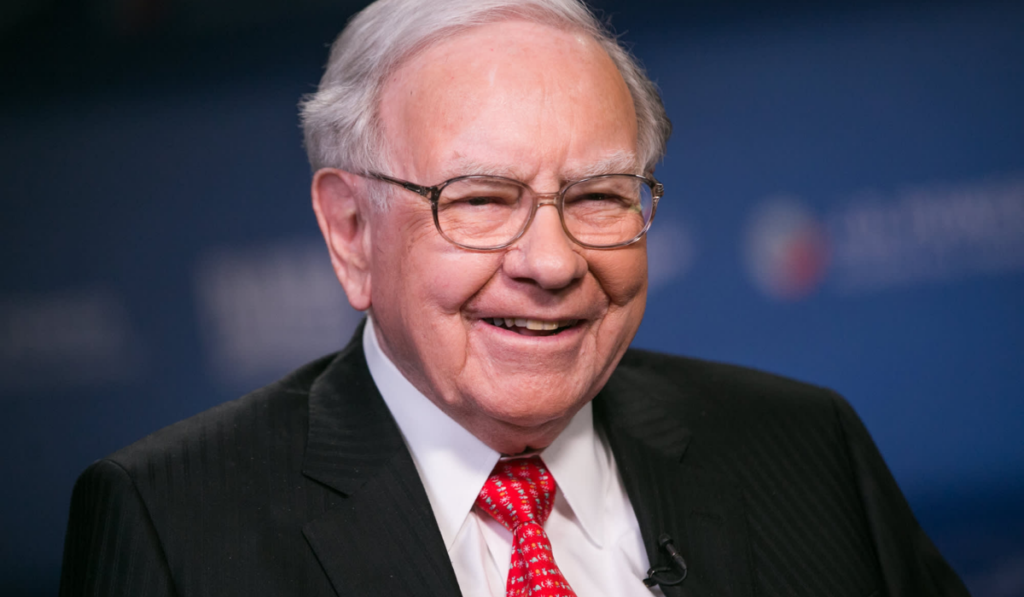
Long before achieving global fame, Warren Buffett demonstrated incredible business drive through various local money-making ventures around his neighborhood. At just six years of age, he bought six-packs of Coca-Cola from his grandfather’s grocery store and resold them door-to-door to turn a tidy profit. He later delivered newspapers on extensive routes, sold chewing gum, and even rented out pinball machines to local barbershops. These early commercial experiments taught him the vital importance of self-reliance, customer service, and hard work, traits that heavily influenced the business mindset of Warren Buffett as he grew into his teenage and college years.
Introduction to the Stock Market
Fascinated by the mechanics of wealth creation, Warren Buffett purchased his very first stocks at the tender age of eleven. He bought three shares of Cities Service Preferred for himself and his sister, experiencing firsthand the rollercoaster of market fluctuations when the share price initially dipped before rising back up. Although he sold prematurely and missed out on massive subsequent gains, the experience imparted a permanent lesson regarding patience and emotional control. This milestone marked the official beginning of a lifelong journey into equity markets for Warren Buffett, setting the stage for future legendary market conquests.
High School Business Ventures and Success
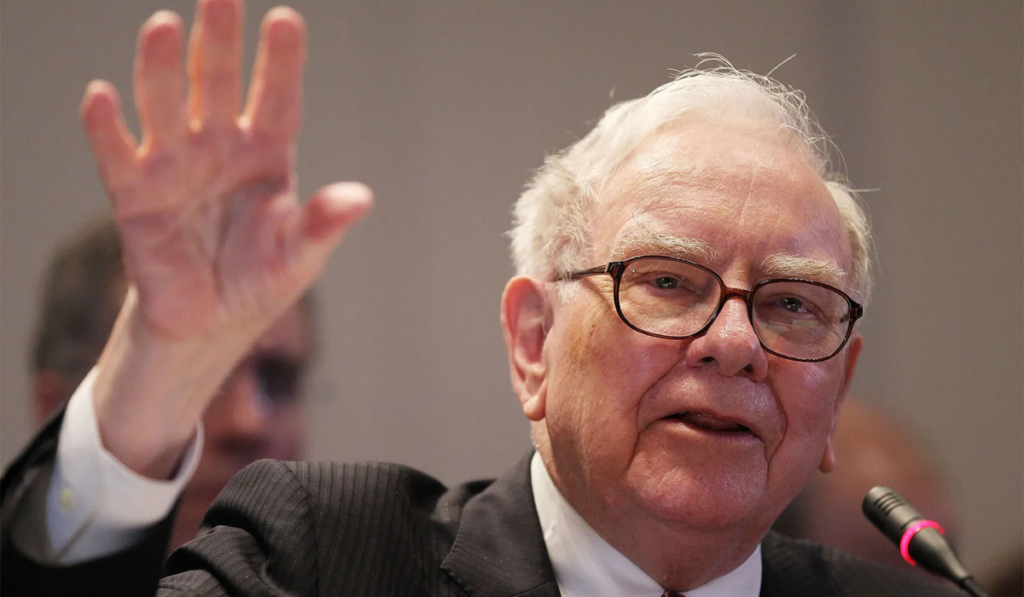
During his teenage years in Washington, D.C., Warren Buffett expanded his commercial footprint by managing multiple extensive newspaper delivery routes with impressive efficiency. Through aggressive saving and smart budgeting, he managed to accumulate enough capital by age fifteen to purchase a forty-acre farm in Nebraska, which he subsequently leased to a tenant farmer. Working multiple simultaneous ventures allowed him to file his first formal tax return as a teenager, showcasing an advanced grasp of financial responsibility. These youthful achievements cemented the early financial independence that empowered Warren Buffett to pursue higher education without financial strain.
Higher Education and Academic Pursuits
Following high school graduation, Warren Buffett briefly attended the Wharton School of the University of Pennsylvania before completing his undergraduate studies at the University of Nebraska. Eager to deepen his theoretical understanding of economics, he applied to Columbia University and earned a Master of Science degree in Economics. Studying at Columbia exposed him to rigorous academic frameworks and brilliant minds that changed his perspective on capital allocation forever. The academic foundation acquired during these university years proved instrumental in shaping the sophisticated analytical toolkit utilized consistently by Warren Buffett.
Meeting Mentor Benjamin Graham
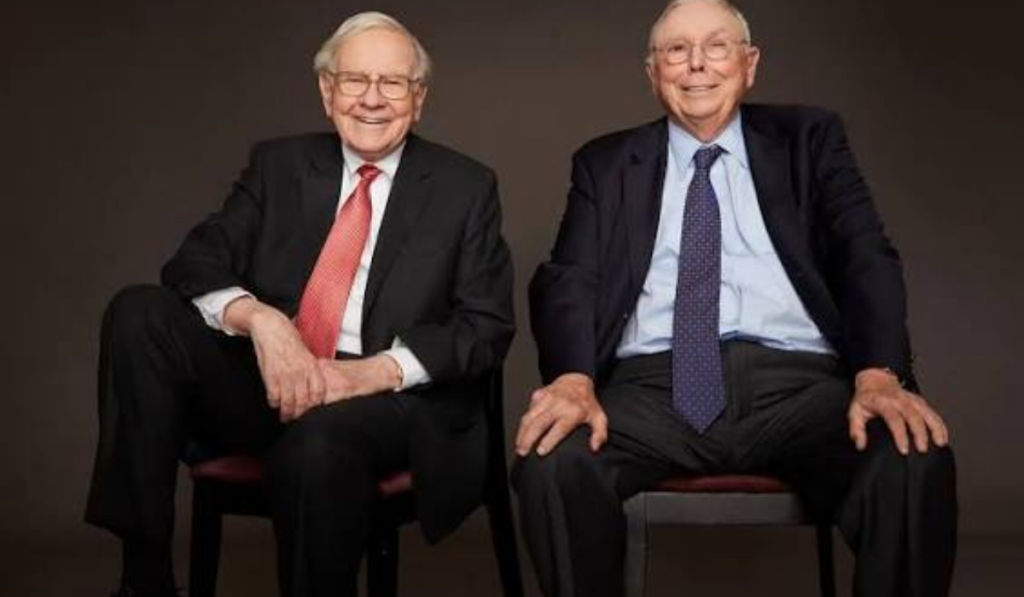
The absolute turning point in his intellectual development occurred when Warren Buffett crossed paths with legendary investor and professor Benjamin Graham at Columbia Business School. Graham introduced him to the revolutionary concept of value investing, which emphasizes buying companies trading significantly below their intrinsic value. Absorbing every lesson from Graham’s seminal books and lectures, young Warren learned how to look past short-term market noise and focus exclusively on hard asset values. This profound mentorship under Graham provided the core philosophy that would define the legendary career of Warren Buffett.
Early Professional Career as Analyst
Upon completing his graduate studies, Warren Buffett briefly worked in New York City as a securities analyst at the Graham-Newman Corporation, executing value strategies. Analyzing obscure equities and finding hidden market gems sharpened his ability to evaluate corporate balance sheets with extreme precision. Returning eventually to his hometown of Omaha, he continued hunting for mispriced securities while laying plans to launch his own formal investment vehicle. This hands-on analytical experience allowed Warren Buffett to refine his proprietary stock-picking criteria away from the emotional frenzy of Wall Street.
Launching Buffett Partnership Ltd
In 1956, Warren Buffett established his first private investment vehicle, known as Buffett Partnership Ltd, pooling capital from family members and close friends. Operating out of his home, he managed the partnership with disciplined precision, consistently outperforming broader market indices year after year through meticulous stock selection. As his reputation for stellar returns spread across financial circles, the partnership grew rapidly in both size and capital under his careful stewardship. Managing these private funds gave Warren Buffett the financial muscle and operational freedom needed for his next big corporate move.
Acquiring Control of Berkshire Hathaway
Seeking undervalued asset plays during the 1960s, Warren Buffett began accumulating shares in a struggling New England textile manufacturing company named Berkshire Hathaway. Although the core textile business faced secular decline, he recognized hidden value within its remaining capital structure and eventually gained controlling interest in 1965. Rather than liquidating the entity immediately, he repurposed its cash flows to acquire high-quality insurance firms and profitable consumer businesses. This brilliant strategic pivot allowed Warren Buffett to transform Berkshire Hathaway into a massive, multi-industry holding conglomerate.
Partnering With Creative Genius Charlie Munger
A pivotal moment in corporate history occurred when Warren Buffett formed a lifelong professional partnership with the brilliant legal and investment mind, Charlie Munger. Although they grew up blocks apart in Omaha without meeting initially, their eventual reunion in 1959 sparked an extraordinarily successful collaboration that lasted decades. Munger fundamentally expanded the investment philosophy of Warren Buffett, encouraging him to shift focus from merely cheap “cigar-butt” stocks toward purchasing exceptional businesses at fair prices. Together, they built a corporate culture defined by absolute integrity, rationality, and long-term vision.
Mastering the Art of Value Investing
The cornerstone of legendary wealth creation by Warren Buffett remains his unwavering adherence to strict value investing principles. He meticulously searches for businesses possessing a durable competitive advantage, honest and competent management, and predictable cash-generating power. By refusing to chase speculative market fads or high-technology trends he does not fully understand, Warren Buffett avoids catastrophic losses during market downturns. This patient, defensive approach ensures that every single capital allocation decision made by Warren Buffett maximizes long-term shareholder value securely.
Building the Insurance Float Advantage
A masterstroke in the business strategy of Warren Buffett was acquiring major insurance operations like GEICO, providing a steady stream of low-cost float. Insurance float consists of premiums collected upfront that can be safely invested in productive assets before claims are eventually paid out to customers. Utilizing this immense pool of investable capital without incurring high borrowing costs gave Warren Buffett a unique structural advantage over standard Wall Street asset managers. Consequently, Berkshire Hathaway could execute massive corporate buyouts swiftly whenever market panics created attractive buying opportunities.
Iconic Investments and Corporate Holdings
Over several decades, Warren Buffett orchestrated legendary investments in globally recognized brands such as Coca-Cola, American Express, Apple, and various major financial institutions. His endorsement of a company often acts as a powerful vote of confidence, instantly reassuring public markets regarding the underlying strength of the target firm. By holding these massive equity stakes for decades rather than trading them frequently, Warren Buffett avoided heavy tax burdens and allowed compounding interest to work magic. These iconic portfolio selections transformed Warren Buffett into a global symbol of supreme business intelligence.
Cultivating a Modest Lifestyle and Persona
Despite controlling billions of dollars in corporate assets and personal wealth, Warren Buffett famously resides in the same modest Omaha home he purchased back in 1958. He enjoys simple dietary habits, drives ordinary automobiles, and spends his free time playing bridge or reading financial reports for hours on end. This extraordinary humility and rejection of extravagant luxury have endeared Warren Buffett to millions of ordinary people around the globe. Such down-to-earth behavior proves that Warren Buffett values intellectual stimulation, personal freedom, and integrity far above material possessions.
Establishing the Oracle of Omaha Moniker
Over generations of successful market forecasting and shareholder communication, global media outlets bestowed upon him the famous title, the “Oracle of Omaha”. Investors worldwide eagerly await his annual shareholder letters, treating every piece of published wisdom as a masterclass in economics, corporate governance, and rational thinking. His down-home folksy wisdom cuts through complex financial jargon with remarkable clarity, making high-level financial concepts accessible to everyone. This unique public standing ensures that the insights shared by Warren Buffett continue to mold modern economic thought extensively.
Championing Massive Philanthropic Giving
Demonstrating deep social responsibility, Warren Buffett announced monumental plans to donate the vast majority of his accumulated wealth to charitable causes. Alongside close friends Bill and Melinda Gates, he co-founded The Giving Pledge, encouraging the world’s wealthiest individuals to commit half or more of their fortunes to philanthropy. His massive ongoing contributions to global health, poverty reduction, and education initiatives reflect a profound desire to give back to society. Through these generous philanthropic commitments, Warren Buffett ensures his immense wealth leaves a lasting positive footprint on humanity.
Overcoming Market Challenges and Criticism
Throughout his long career, Warren Buffett has faced numerous skeptical critics during tech booms who claimed his traditional value framework had become obsolete. However, he consistently vindicated his disciplined strategy by avoiding speculative bubbles and purchasing cash-flowing assets when markets crashed. While Berkshire Hathaway has experienced temporary drawdowns and occasional investment missteps, his willingness to admit mistakes transparently enhanced his credibility. Staying calm through volatile financial crises allowed Warren Buffett to steer his conglomerate safely through every major economic downturn.
Enduring Legacy in Global Finance
The historical impact of Warren Buffett on modern business management and investing theory remains unmatched by any of his contemporaries. He proved conclusively that patience, ethical leadership, and long-term thinking far outperform short-term speculation and aggressive trading tactics. Universities teach his shareholder letters as sacred texts, and aspiring executives model their corporate governance standards after his proven methodologies. Ultimately, the legacy of Warren Buffett stands as a towering testament to what disciplined focus and unwavering moral character can achieve in the financial world.
Summary of Lifelong Business Wisdom
Reflecting upon the extraordinary life journey of Warren Buffett reveals a blueprint for achieving sustained excellence through continuous learning and emotional discipline. From delivering newspapers as a boy in Nebraska to presiding over a multi-billion-dollar global empire, he maintained core principles without compromise. His dedication to simplifying complex problems and treating others with complete fairness sets an inspiring gold standard for future generations. The remarkable story of Warren Buffett will continue to motivate aspiring entrepreneurs, financial analysts, and leaders worldwide for centuries to come.
FAQs
- What is the core investment strategy of Warren Buffett?
- Value investing, which involves buying strong, understandable companies at reasonable prices and holding them for the long term.
- Why is Warren Buffett often called the Oracle of Omaha?
- He earned this nickname because of his legendary investment success while living and operating out of his hometown of Omaha, Nebraska.
- What is Berkshire Hathaway?
- Berkshire Hathaway is the massive multinational holding conglomerate where Warren Buffett serves as chairman and former CEO.
- Who was the primary mentor of Warren Buffett?
- Legendary economist and value investing pioneer Benjamin Graham served as his most influential mentor at Columbia University.
- What is The Giving Pledge?
- It is a philanthropic initiative co-founded by Warren Buffett and Bill Gates, urging billionaires to donate the majority of their wealth to charity.