 admin
admin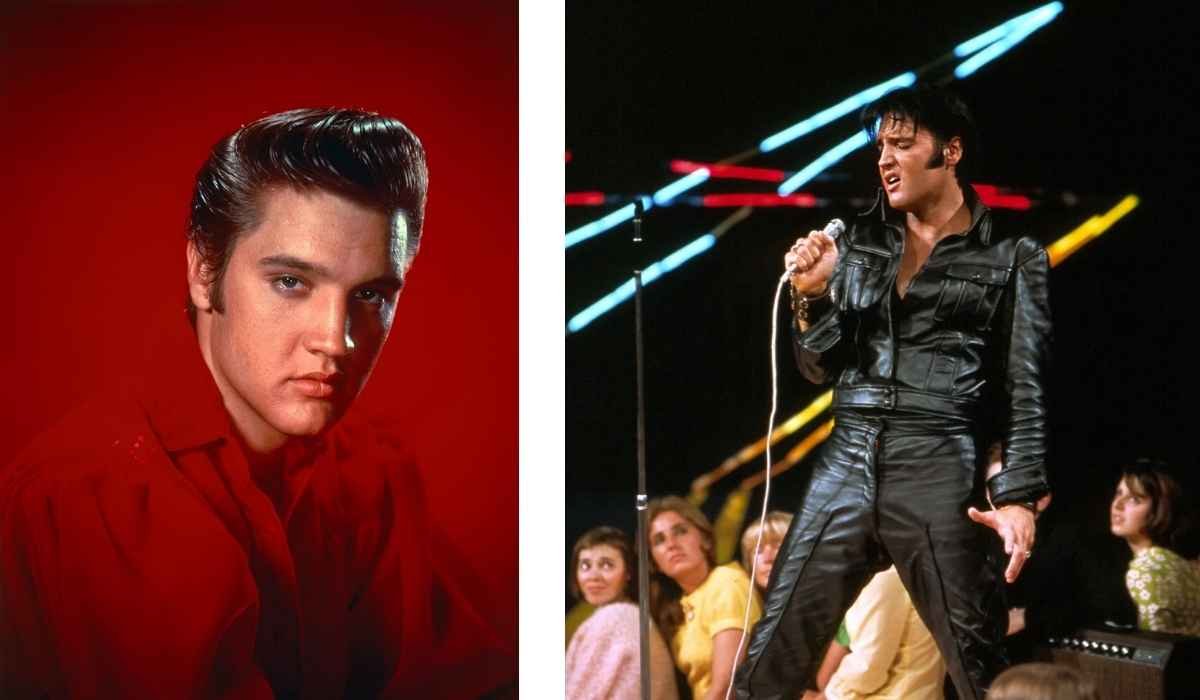
Elvis Presley remains one of the most significant cultural icons of the twentieth century, captivating millions worldwide with his extraordinary voice, charismatic stage presence, and revolutionary blend of musical genres that forever transformed the global entertainment landscape. From his humble beginnings in Tupelo, Mississippi, to his meteoric rise as a global superstar in Memphis, Tennessee, he shattered racial and social barriers in mid-century America by popularizing rhythm and blues for mainstream audiences. His electrifying television appearances and chart-topping records sparked a youth culture revolution, earning him the enduring title of the King of Rock and Roll and leaving a permanent mark on history.
Quick Bio
| Attribute | Detail |
|---|---|
| Full Name | Elvis Aaron Presley |
| Birth Date | January 8, 1935 |
| Death Date | August 16, 1977 |
| Profession | Singer, Actor |
| Genre | Rock and Roll, Pop, Country, Gospel |
Early Beginnings in Tupelo Mississippi
Elvis Presley entered the world on January 8, 1935, in a small two-room shotgun house built by his father in Tupelo, Mississippi, facing considerable economic hardship during the Great Depression. Growing up in a working-class environment deeply influenced by local gospel music at the Assembly of God church, he developed an early, profound passion for the spiritual and blues melodies echoing through his community. These formative years laid the essential musical foundation for Elvis Presley, shaping his unique vocal style and introducing him to the diverse sonic landscape of the American South that would later inspire his groundbreaking career.
Moving to Memphis and Musical Discovery
Relocating to Memphis, Tennessee, during his adolescence proved to be a pivotal turning point because the bustling city exposed Elvis Presley to a vibrant melting pot of Beale Street blues, rhythm and blues, and country music. Spending countless hours absorbing radio broadcasts and attending live performances by pioneering African American artists, he cultivated an eclectic taste that bridged traditional cultural divides. This rich urban environment allowed Elvis Presley to refine his distinctive artistic vision, blending diverse musical traditions into a fresh, dynamic sound that captivated local listeners and prepared him for his future historic recording sessions with Sun Records.
The Sun Records Breakthrough
Stepping into the legendary Sun Records studio in 1954 to record a special acetate disc for his beloved mother transformed Elvis Presley from an aspiring local singer into a revolutionary musical pioneer under the guidance of producer Sam Phillips. His spontaneous, energetic studio rendition of Arthur Crudup’s That is All Right ignited local radio waves and established a thrilling new template for popular music by fusing upbeat country rhythms with soulful blues styling. This initial commercial success catapulted Elvis Presley onto the regional touring circuit, where his charismatic performances began attracting devoted fans and caught the attention of major industry figures seeking fresh talent.
Colonel Tom Parker and RCA Records
Partnering with manager Colonel Tom Parker in 1955 marked a monumental strategic shift that elevated Elvis Presley to unprecedented heights of international superstardom through a lucrative recording contract with major label RCA Records. Parker orchestrated brilliant marketing campaigns, national television appearances, and lucrative merchandise deals that maximized the commercial potential of Elvis Presley across multiple entertainment mediums. Under this powerful management team, Elvis Presley released massive mainstream hits like Heartbreak Hotel, which dominated global charts and firmly cemented his status as a dominant cultural phenomenon in the rapidly evolving post-war American music industry.
Rock and Roll Revolution and Cultural Impact
Igniting a cultural firestorm across the globe, Elvis Presley spearheaded the rock and roll revolution of the mid-nineteen fifties, challenging conventional social norms and giving a powerful voice to the emerging postwar youth generation. His dynamic dance moves, rebellious attitude, and genre-bending music terrified conservative critics while enthralling teenagers who eagerly embraced the fresh, energetic lifestyle he represented. Through television broadcasts and chart dominance, Elvis Presley redefined modern celebrity culture, proving that music possessed the extraordinary power to transcend racial barriers and unite diverse audiences in a shared celebration of youthful rebellion and artistic freedom.
Hollywood Stardom and Film Career
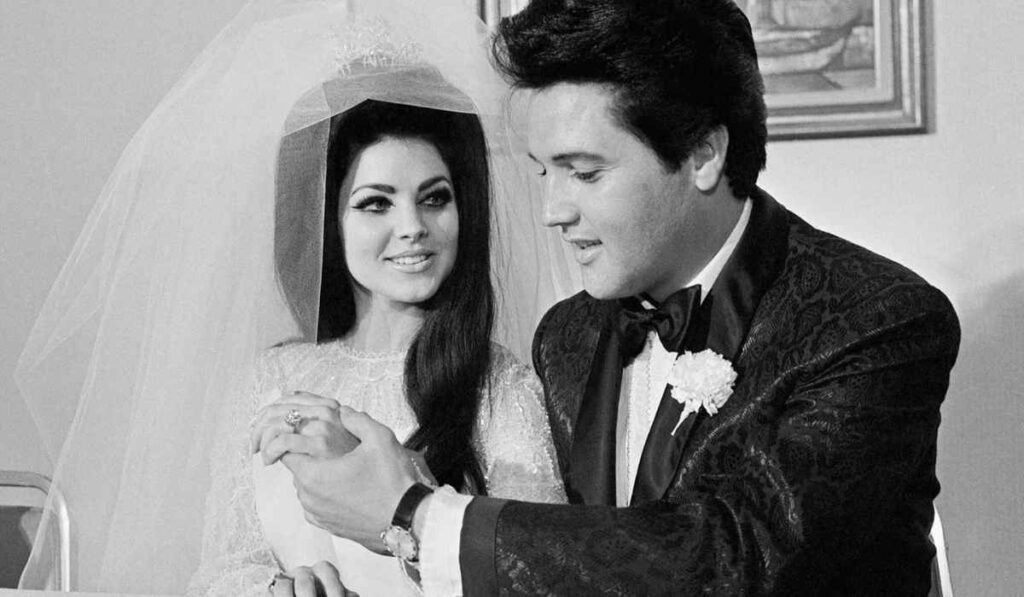
Transitioning from music into the glowing world of cinema, Elvis Presley embarked on a prolific Hollywood movie career beginning with his critically praised acting debut in the dramatic Western Love Me Tender. While many of his subsequent motion pictures focused on lighthearted musical comedies designed to showcase his hit songs, these films were massive box office successes that maintained his public visibility throughout the nineteen sixties. Despite creative frustrations regarding script quality, Elvis Presley managed to charm millions of international moviegoers, proving that his undeniable star power extended far beyond the recording studio and into the lucrative realm of silver-screen entertainment.
Military Service in Germany
Demonstrating profound patriotism and a commitment to his country, Elvis Presley was drafted into the United States Army in 1958, serving an active tour of duty stationed in Friedberg, Germany, for nearly two years. During this highly publicized military hiatus, he won the respect of his fellow soldiers by performing his duties without special treatment, even while maintaining his status as the world’s most famous entertainer. Stationed overseas, Elvis Presley met his future wife Priscilla Beaulieu, experienced profound personal reflection following the death of his mother, and successfully prepared for his triumphant return to civilian life and music production.
The 1968 Comeback Special
Returning triumphantly to live performance after years of focusing exclusively on Hollywood films, Elvis Presley dazzled television audiences worldwide in the critically acclaimed nineteen sixty-eight television broadcast known simply as the Comeback Special. Dressed head-to-toe in black leather and performing with unmatched intensity alongside his original band members, Elvis Presley reminded the entire world of his raw musical brilliance and unmatched stage charisma. This landmark television event revitalized his flagging recording career, sparked a major creative renaissance, and proved that Elvis Presley remained the undisputed king of rock and roll despite the changing musical tides of the decade.
The Las Vegas Residency Era
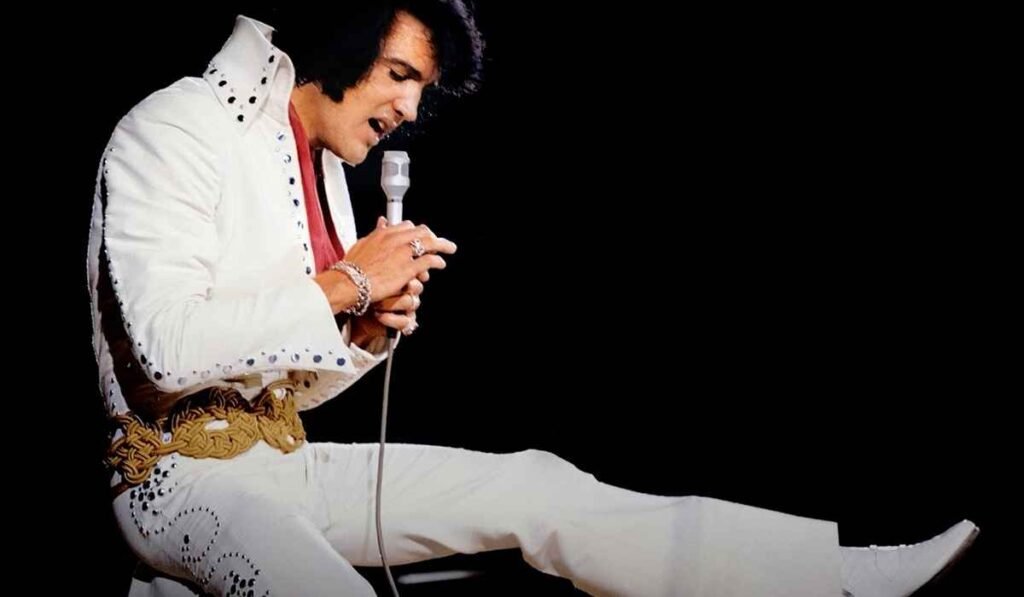
Entering a legendary residency phase in the glittering desert oasis of Las Vegas during the early nineteen seventies, Elvis Presley performed hundreds of sold-out concerts at the International Hotel, entertaining millions of devoted fans. Adorned in iconic, rhinestone-studded jumpsuits that became synonymous with his later career, he delivered powerful live renditions of his greatest hits alongside soulful gospel and contemporary pop covers. These elaborate Vegas spectacles cemented the status of Elvis Presley as the ultimate live entertainer, drawing celebrities and music lovers from across the globe to witness his commanding stage presence and extraordinary vocal talent firsthand.
Personal Life and Graceland
Establishing his famous Graceland estate in Memphis, Tennessee, in 1957, Elvis Presley created a private sanctuary where he could escape the overwhelming pressures of fame and nurture close relationships with his family and inner circle. His high-profile marriage to Priscilla Presley and the subsequent birth of their daughter Lisa Marie added personal dimensions to his public persona that fascinated tabloid media and devoted fans alike. Throughout his life, Graceland remained the beloved home base for Elvis Presley, reflecting his southern roots, lavish lifestyle, and the deep-seated desire for comfort amidst a whirlwind existence of global celebrity.
Musical Versatility and Gospel Roots
Beyond his undeniable mastery of rock and roll, Elvis Presley possessed a profound affinity for spiritual gospel music, recording multiple critically acclaimed albums that earned him prestigious Grammy Awards during his illustrious career. His soulful interpretations of traditional hymns allowed him to express deep emotional vulnerability and showcased the remarkable vocal range and technical precision that set him apart from contemporary pop singers. For Elvis Presley, gospel music was a spiritual refuge and a lifelong passion that connected him to his childhood memories, providing a comforting counterbalance to the high-pressure lifestyle of international superstardom.
Global Phenomenon and Fan Devotion
Inspiring an unprecedented level of passionate devotion, Elvis Presley cultivated a massive, fiercely loyal global fan base that transcended generational lines and remains active through fan clubs and tribute organizations today. His fans viewed him not merely as a talented musician, but as a symbolic figure of hope, freedom, and emotional connection during times of significant social change and uncertainty. The enduring loyalty demonstrated toward Elvis Presley highlights the unique bond he shared with his audience, ensuring that his memory and artistic legacy would continue to thrive long after the conclusion of his remarkable professional journey.
Decline in Health and Final Years
Facing mounting pressures from an exhausting touring schedule, chronic health issues, and heavy reliance on prescription medications, the final years of Elvis Presley were marked by visible physical decline and personal struggles. Despite these formidable challenges, he continued to maintain a grueling concert schedule out of a deep dedication to his fans and a reliance on the stage as his primary outlet for connection. The untimely passing of Elvis Presley on August 16, 1977, shocked the entire world, plunging millions of grieving admirers into deep mourning and instantly transforming the legendary icon into an immortal historical figure.
Posthumous Legacy and Cultural Immortality
Securing an everlasting place in cultural history, the legacy of Elvis Presley expanded exponentially following his passing, transforming Graceland into a globally revered museum and place of pilgrimage for millions of annual visitors. His vast catalog of recordings continued to top international music charts, introducing his timeless sound to successive generations of young listeners who discovered his music through modern media and cinematic projects. Through constant tributes, scholarly analysis, and enduring pop culture references, Elvis Presley maintained his supreme cultural dominance, proving that true artistic greatness transcends mortality and remains forever vibrant in the human consciousness.
Influence on Future Generations of Artists
Paving the way for virtually every major rock, pop, and country artist who followed him, the groundbreaking musical style and showmanship of Elvis Presley left an indelible blueprint for modern popular music performance. Icons ranging from John Lennon and Bruce Springsteen to Bruno Mars have openly acknowledged the profound influence that Elvis Presley had on their own artistic development, stagecraft, and career aspirations. By demonstrating how to combine different musical genres with striking visual presentation, Elvis Presley forever changed how artists connect with fans, establishing industry standards that continue to shape the contemporary global entertainment business.
Fashion Icon and Visual Aesthetic
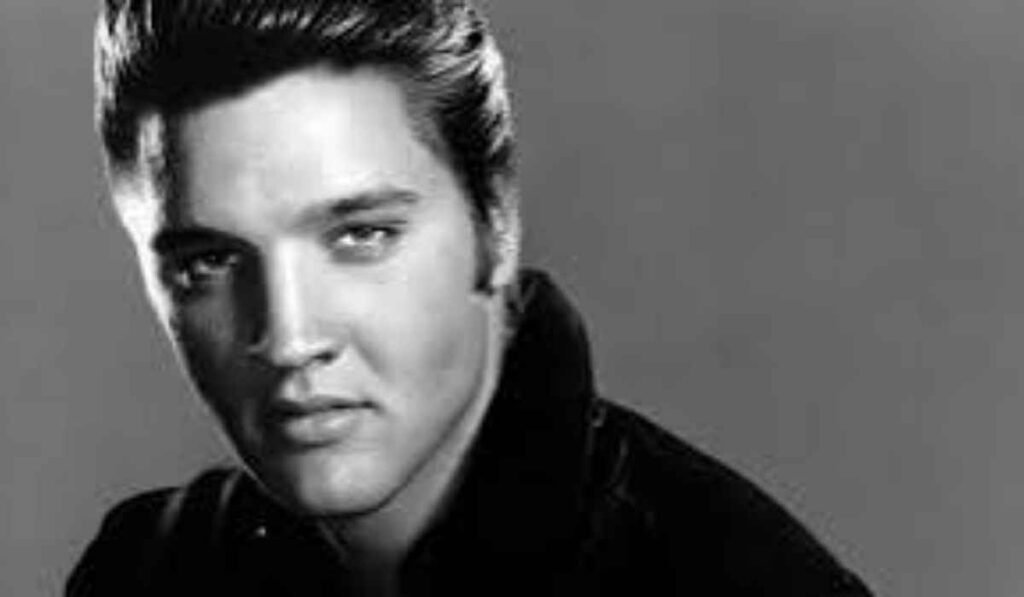
Redefining mid-century fashion and popular culture aesthetics, Elvis Presley emerged as a major style trendsetter whose iconic wardrobe choices captured the spirit of youthful rebellion and opulent showmanship. From his early rockabilly days featuring popped collars and slicked-back hair to his flamboyant, custom-designed Las Vegas jumpsuits, his distinctive appearance became instantly recognizable across every corner of the planet. This keen sense of visual identity allowed Elvis Presley to merge music and fashion into a singular artistic expression, cementing his status as a timeless style icon whose influence still resonates strongly within contemporary fashion design and modern celebrity culture.
Awards, Honors, and Industry Recognition
Accumulating an extraordinary array of prestigious accolades throughout his lifetime and posthumously, Elvis Presley received numerous Grammy Awards, lifetime achievement honors, and formal inductions into multiple music halls of fame. As one of the founding inductees of the Rock and Roll Hall of Fame, his monumental contributions to modern music were officially recognized alongside other pioneering legends who shaped the industry. These official honors validate the historical significance of Elvis Presley, confirming that his artistic achievements and cultural impact are permanently etched into the highest echelons of global musical history.
The Enduring Mythos of the King
Capturing the imagination of popular culture for decades, the enduring mythos surrounding Elvis Presley continues to inspire countless books, documentaries, theatrical productions, and even widespread cultural conspiracy theories about his life and passing. This persistent fascination highlights the larger-than-life aura that Elvis Presley projected, transforming him from a mortal man into an almost mythical symbol of American success, tragedy, and musical excellence. As generations come and go, the legendary status of Elvis Presley only grows stronger, ensuring his place as an immortal figure whose cultural footprint will never be forgotten by society.
Conclusion of an Immortal Musical Journey
Summarizing the extraordinary life and career of Elvis Presley reveals a complex, immensely talented artist who forever altered the course of human culture through his revolutionary contributions to music and entertainment. From his revolutionary beginnings in the American South to his undisputed reign as the global King of Rock and Roll, he achieved a level of fame and artistic influence that few others have ever matched. Ultimately, the cultural impact of Elvis Presley remains timeless, continuing to inspire, entertain, and unite people across all boundaries through the sheer power of his unforgettable voice and enduring musical recordings, deeply rooted in history as detailed in Elvis Presley.
FAQs
- Who is Elvis Presley?
- Elvis Presley was an iconic American singer and actor widely recognized as the King of Rock and Roll.
- When was Elvis Presley born?
- He was born on January 8, 1935, in Tupelo, Mississippi.
- What was the famous home of Elvis Presley called?
- His famous estate in Memphis, Tennessee, is known as Graceland.
- When did Elvis Presley pass away?
- He passed away on August 16, 1977, at the age of forty-two.
- Why is Elvis Presley important to music history?
- He revolutionized popular music by successfully blending rhythm and blues, country, and gospel into modern rock and roll.