
 Sky Bloom IT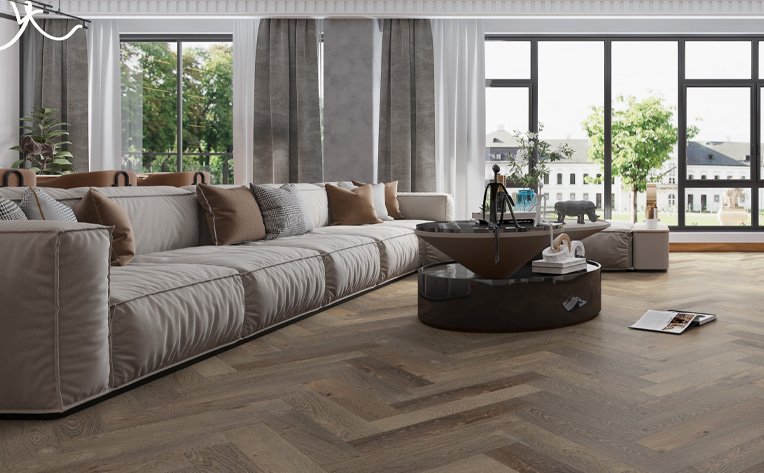
Wood flooring changes a room through species, color, and plank arrangement, establishing its visual direction. Traditional alignment provides a continuous visual direction, while patterned designs add geometric structure to the floor. Plank width and finish also influence how the selected flooring appears across the finished surface. Here are some ways to transform your space with unique wood flooring patterns:
Choose a Flooring Pattern
Plank arrangement determines how boards run across the floor, and it establishes the pattern’s overall direction. Classic layouts keep boards aligned along one consistent path. Diagonal layouts place boards at an angle, drawing attention across the floor rather than straight through the room.
Room shape often affects layout planning because plank direction must work with the space’s proportions and features. The planned layout also accounts for measurements, transitions, and the boundaries of the installation area; these affect where boards begin, end, and require cuts. These factors help determine how to position boards before installation begins to create a more balanced finished floor.
Large flooring samples show the selected arrangement across a broader section of flooring. You can also take samples home for closer evaluation in your space. A digital room visualizer places selected flooring in a room image, so you are able to see how a finished floor looks in that setting.
Explore Herringbone and Chevron Designs
Herringbone and chevron designs are distinct plank arrangements that give wood flooring a geometric pattern. Herringbone uses rectangular planks placed in alternating directions to form a repeated zigzag pattern. The ends of the planks meet at offset points, creating a staggered appearance across the floor. Chevron places angled planks end-to-end; this forms a series of connected V-shaped points. These arrangements create different forms of visual movement, allowing the flooring pattern to influence the room’s overall appearance.
Coordinate Colors, Textures, and Finishes
Hardwood flooring comes in light, natural, medium, dark, and European-inspired tones. Light tones create an open, airy look, while dark tones offer a dramatic, sophisticated appearance. Natural and medium tones add warmth and versatility. The selected color should work alongside the room’s existing design, whether the space has a modern, traditional, or rustic style.
Surface treatment changes the visible character of hardwood flooring. Smooth finishes create a cleaner surface, while wire-brushed, hand-scraped, and textured finishes add visible texture. Matte and low-sheen options reduce the emphasis on surface reflection. Textured finishes and lighter or natural tones can also help minimize the appearance of scratches in areas with pets or heavier traffic.
Compare Species and Plank Widths
Wood species give flooring different grain patterns and hardness levels. European White Oak, maple, hickory, and walnut are among the hardwood species used for hardwood flooring. Grain patterns vary by species, so visual movement differs across boards. Hardness also changes between species, which adds a physical distinction to your wood selection. Plank width affects how the flooring is divided across the room. Wide planks create broader sections of visible wood, while narrower planks create more frequent board divisions.
Explore Wood Flooring Options
Wood flooring design reflects the combination of pattern, wood selection, surface character, and installation. Professional flooring services assess your space and review the subfloor, and they determine the installation method suited to the selected flooring. Layout planning addresses plank direction, measurements, and transitions before the flooring work begins. Schedule a flooring consultation today to evaluate your space and plan your flooring installation.