 2Q Solutions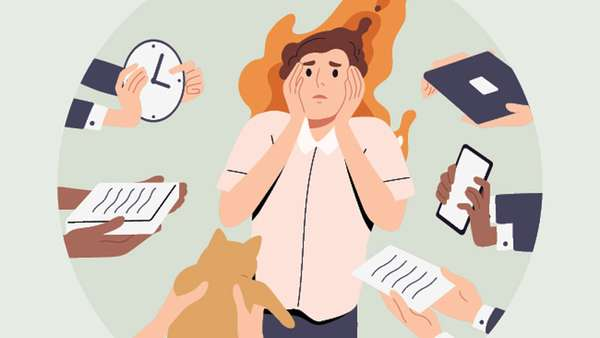
Being tired after a demanding week is normal. Burnout, however, can feel different. Rest may no longer seem restorative, motivation can disappear, and responsibilities that were once manageable may begin to feel overwhelming. When prolonged stress starts affecting emotional and physical well-being, burnout therapy can help individuals understand what is driving the exhaustion and identify realistic ways to create change.
Burnout often develops gradually. Because of this, many people overlook early warning signs until stress has begun influencing several areas of life.
Burnout Is More Than Being Busy
A full schedule does not automatically lead to burnout.
Problems are more likely to emerge when high demands continue without enough recovery, control, recognition, support, or boundaries.
Someone may continue completing responsibilities while feeling increasingly detached from them. Others notice that even small tasks require significant mental effort.
Common Warning Signs
Persistent exhaustion is one possible indicator, but burnout can appear in other ways.
People may become unusually irritable, cynical, emotionally detached, or unable to concentrate. Motivation can decrease, sleep may become disrupted, and previously enjoyable activities can begin feeling like additional obligations.
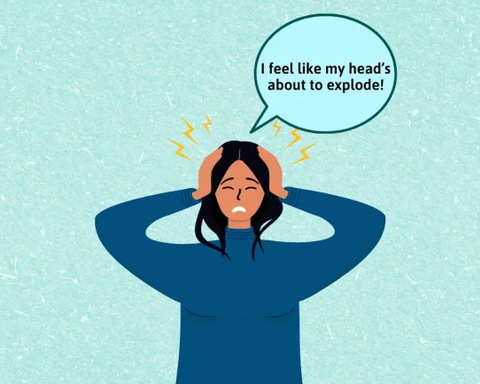
Physical tension and frequent headaches may also accompany prolonged stress.
Recognizing these patterns early can make it easier to reconsider routines before exhaustion becomes more disruptive.
Why Simply Taking Time Off May Not Solve Burnout
Rest is valuable, but a short break cannot always address the conditions that created chronic stress.
Someone may return from a weekend or holiday feeling slightly refreshed only to become overwhelmed again within days.
This can happen when underlying patterns remain unchanged.
Looking at the Sources of Pressure
Therapeutic conversations can help individuals identify where demands are coming from.
Workload may be one factor, but perfectionism, difficulty saying no, caregiving responsibilities, unrealistic expectations, lack of boundaries, or constant availability can also contribute.
Sometimes the pressure is external. In other cases, internal expectations play an equally important role.
Understanding these factors makes it possible to consider more targeted changes.
Relearning How to Set Boundaries
People experiencing burnout often have difficulty protecting time and energy.
They may automatically accept additional responsibilities or feel guilty when declining requests. Others remain mentally connected to work even when the working day has ended.
Setting boundaries does not necessarily require dramatic changes. Small adjustments can begin restoring a healthier separation between demands and recovery.
People seeking stress and wellness support in the area may benefit from reflecting on which responsibilities consume the most energy and where greater boundaries could be useful.
Redefining Productivity
Burnout can become closely connected with beliefs about productivity.
Some individuals feel valuable only when they are accomplishing something. Rest then creates guilt rather than recovery.
Therapeutic work can help people examine whether their expectations are realistic and whether constant productivity is actually sustainable.
Rest Is Part of Sustainable Performance
Recovery is not simply what happens after all responsibilities are complete.
For many people, there will always be another task available. Waiting until everything is finished before resting can therefore create an endless cycle of activity.
Scheduling genuine recovery time can support concentration, patience, and emotional regulation.
Reconnecting With Meaningful Activities
Chronic stress can narrow life until responsibilities occupy nearly every available space.
Activities that once provided enjoyment may gradually disappear from the schedule.
Reintroducing hobbies, friendships, movement, creative interests, or quiet time can help restore balance. These activities do not need to be productive. Their purpose can simply be enjoyment or connection.
Small changes are often easier to maintain than an immediate overhaul of daily life.
Preventing the Same Pattern From Returning
Recovering from burnout is only one part of the process. Understanding how it developed can help reduce the likelihood of repeating the same cycle.
It can be useful to identify personal warning signs. Perhaps sleep deteriorates first, patience becomes shorter, or social plans repeatedly get cancelled.
Recognizing those signals earlier provides an opportunity to respond before exhaustion becomes severe.
Conclusion
Burnout can develop quietly while someone continues meeting deadlines, caring for others, or fulfilling everyday responsibilities. Eventually, however, prolonged pressure may affect motivation, concentration, relationships, sleep, and emotional well-being.
Addressing burnout involves more than temporarily escaping a demanding schedule. It can require examining workload, expectations, boundaries, recovery habits, and beliefs about productivity.
With greater awareness and sustainable changes, individuals can work toward a healthier relationship with responsibilities—one that leaves room not only for achievement, but also for rest, relationships, interests, and everyday life.