 Khizar Seo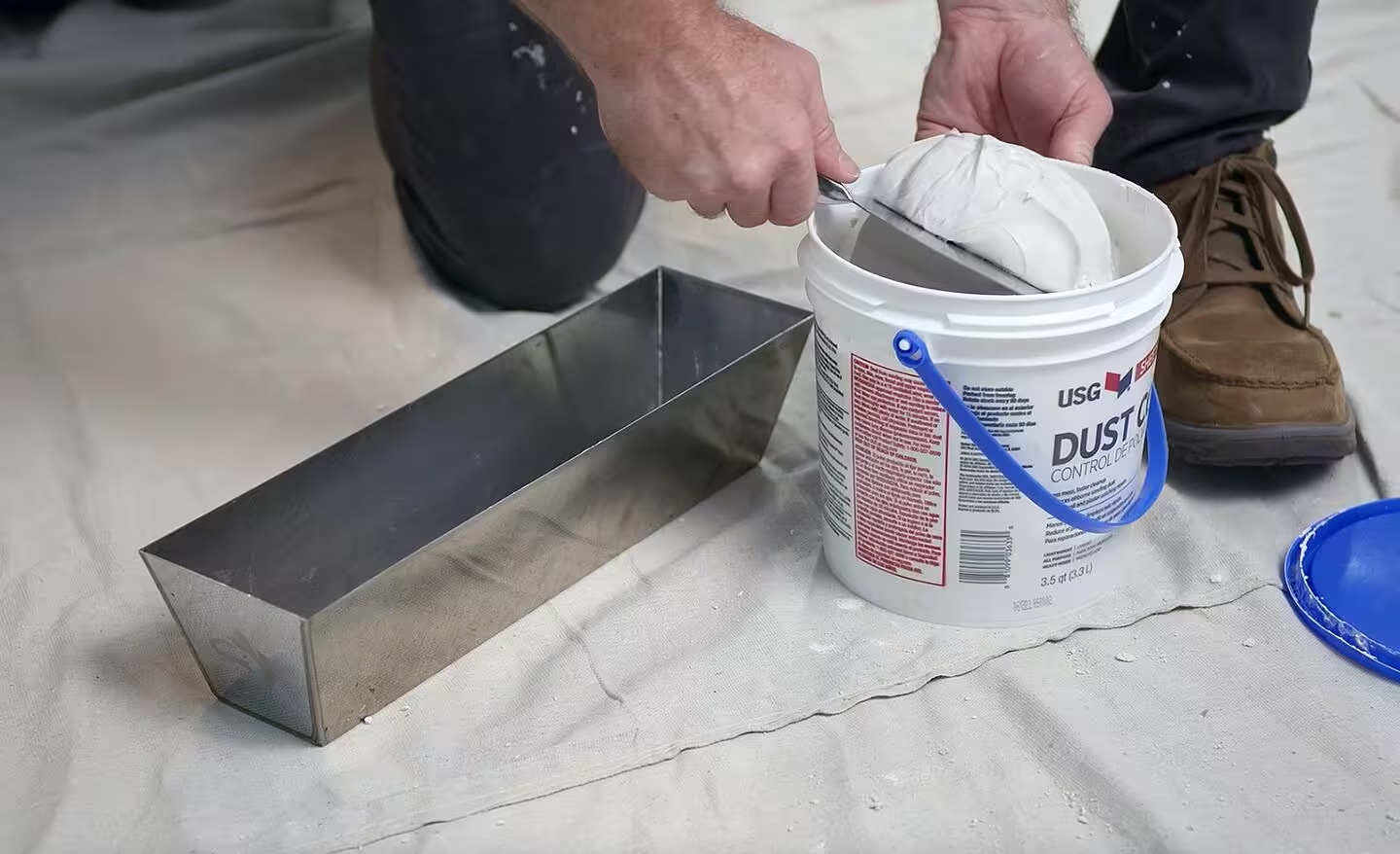
Drywall damage ranges from small fastener marks to moisture-weakened panels that require replacement. Seasonal movement and older wall construction can also cause recurring surface problems. Proper drywall repair requires identifying the type of damage before selecting a suitable repair method. Here are the types of drywall damage and repair solutions:
Repair Nail Pops
Nail pops appear when fasteners push through the drywall surface, creating raised spots visible beneath paint. Screw dimples create the opposite problem, as fasteners sit below the surrounding surface and leave small depressions. Repair for this issue involves correcting the fastener position before the compound fills the affected area. Sanding creates a smooth surface ready for primer and paint.
Multiple nail pops across one wall require a different approach from an isolated fastener defect. Additional screws placed beside the popped nails help secure the panel before filling the damaged spots with compound. Skim coating the surrounding field creates a more consistent surface when several defects appear together. The repair process addresses both the loose fastener and the visible surface damage.
Patch Wall Holes
Wall holes vary in size and require different patching methods, particularly when the opening extends beyond a simple surface gouge. Small hardware holes typically require filling and sanding, while larger openings require backing support. Mesh backing reinforces larger patches before you apply compound over the drywall repair. Feathering the compound outward creates a gradual transition between the patched area and the surrounding drywall.
Fill Joint Cracks
Joint cracks can develop where drywall panels meet as seasonal changes cause the framing behind them to expand and contract. Temperature fluctuations cause expansion and contraction, which may separate taped wall and ceiling joints. Reinforce with flexible mesh tape before feathering compound across the affected area. The resulting surface is then sanded and prepared for a new finish. The following repair details address some cracking locations and finishing requirements:
- Flexible mesh tape reinforces cracked joints before compound application.
- Ceiling-wall joints receive attention when seasonal movement creates separation.
- Fill hairline cracks before refinishing the surrounding surface.
- Matched texture helps repaired joints blend with nearby surfaces.
Replace Water-Damaged Panels
When drywall is exposed to water, it can be affected differently depending on the depth of moisture intrusion. Surface staining can cause discoloration, and continued exposure can create soft spots and weaken panels. Another visual sign of moisture damage in the board is bubbling on the ceiling.
You must also address the moisture source before replacement. If a roof is repaired and water still runs in through the rooflines, gutters, siding, or attic, it can still damage the repair. By dealing with the water source first, the replacement board won’t be exposed to the same moisture conditions.
Specialty boards are also used for specific wall needs other than regular wall repair. Moisture-resistant boards can be used for damaged panels. For garage walls with the need for fire separation, type X board is installed. Around areas of wetness, where drywall is not appropriate, cement board is a good material for the substrate.
Schedule Drywall Repair
Professional assessment becomes particularly useful when damage involves moisture, recurring cracks, or older layered wall construction. A specialist can identify whether the visible defect requires surface treatment, panel replacement, or attention to an underlying issue. Proper material selection also helps match the existing wall while addressing the specific source of damage during a drywall repair project. Contact a qualified drywall professional to assess the damage to your wall and discuss the appropriate repair solution.