 admin
admin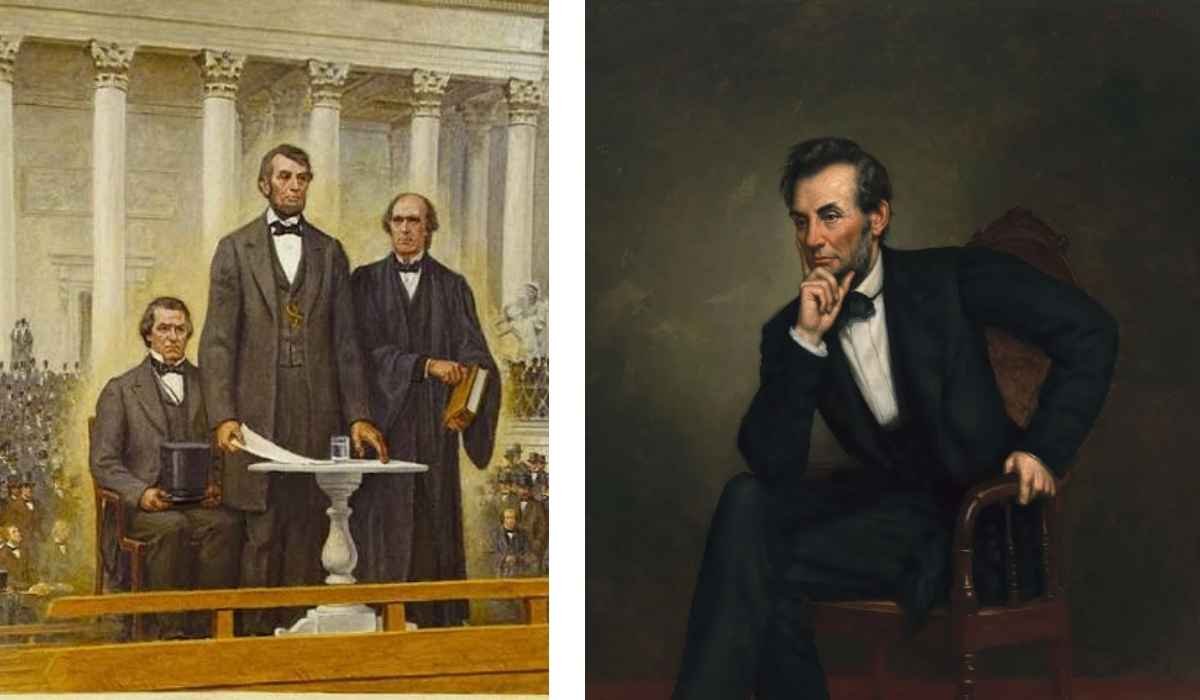
The journey of Abraham Lincoln from a humble log cabin to the highest office in the United States remains one of the most compelling narratives in modern history. Born in a small structure in Kentucky, he faced countless hardships, yet his unwavering determination pushed him toward self-education. He mastered law through sheer grit, eventually stepping into the political arena to champion human rights, equality, and the preservation of a fractured nation during its darkest hours. His enduring legacy continues to inspire millions globally, reminding every generation of the profound impact built on integrity, resilience, and visionary leadership.
Quick Bio
| Attribute | Detail |
| Full Name | Abraham Lincoln |
| Born | February 12, 1809 |
| Died | April 15, 1865 |
| Profession | Politician, Lawyer |
| Role | 16th US President |
Early Childhood and Frontier Beginnings
Growing up on the American frontier meant that young Abraham Lincoln experienced grueling physical labor and daily survival challenges alongside his impoverished family. Born in Kentucky, his early environment lacked formal schooling luxuries, forcing him to borrow books and study by firelight whenever possible. These formative years instilled a relentless work ethic and a profound sense of empathy for the marginalized. Even amidst constant relocations through wilderness territories, his passion for reading and expanding his intellect never wavered, laying down the psychological foundation for his future leadership milestones.
Relocation to Indiana and Loss
Moving to the dense forests of Indiana marked another chapter of profound adjustment and personal tragedy for the growing household. The young future leader helped his father clear land and build a meager existence, facing harsh elements and the emotional devastation of losing his mother at an early age. Despite these crushing setbacks, the arrival of a supportive stepmother revitalized his academic hunger and encouraged his continuous self-improvement. Every single chore completed during those demanding Indiana years shaped his physical endurance and mental fortitude, preparing him silently for the monumental historical trials awaiting his adult path.
Transition to New Salem and Independence
stepping out on his own, a young adult Abraham Lincoln arrived in New Salem, Illinois, eager to carve out an independent livelihood. He worked various odd jobs, including clerking in a general store and serving as a local postmaster, which allowed him to interact closely with diverse community members. These interactions honed his natural storytelling abilities and sharp communication skills, quickly earning him local respect and admiration. His charismatic personality and fairness during everyday business transactions cemented his reputation as an honest figure, planting the early seeds for his beloved nickname among trusting citizens.
Military Experience in Militia Service
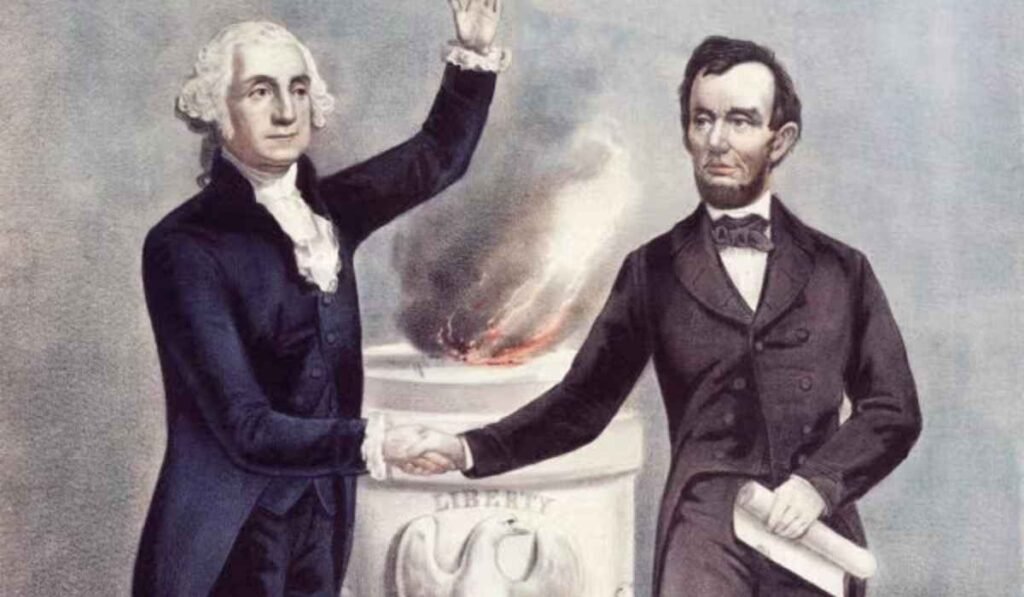
Stepping forward during regional conflicts, Abraham Lincoln briefly served as a captain in the Illinois militia during the Black Hawk War. Although this military stint did not involve major combat engagements, it provided him with valuable networking opportunities and leadership practice among peers. Interacting with various frontier personalities broadened his worldview and introduced him to regional politics, helping him build alliances that would later support his legislative ambitions. This short military episode demonstrated his willingness to answer the call of duty, further embedding his commitment to public service and community protection.
Entering the Legal Profession
Determined to elevate his professional standing, Abraham Lincoln taught himself law and successfully gained admission to the bar to practice in Illinois. Traveling across the judicial circuit, he quickly established himself as a formidable courtroom advocate known for meticulous preparation and logical persuasion. His legal career spanned thousands of cases, ranging from minor local disputes to complex corporate litigation, all handled with trademark fairness. This deep immersion in the judicial system sharpened his analytical thinking, enabling him to dissect complex constitutional arguments with unprecedented clarity and rhetorical brilliance.
Marriage and Family Life
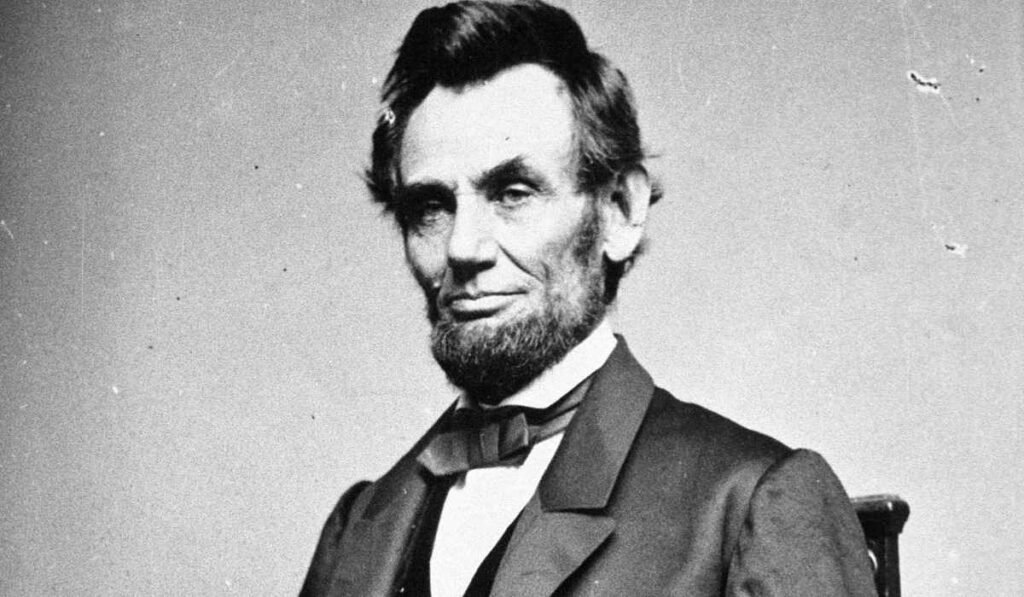
Building a personal life in Springfield, Abraham Lincoln married Mary Todd after a courtship marked by deep emotional intensity and shared social ambitions. Together they raised a family, welcoming four sons, though navigating the heartbreaking loss of several children prematurely tested their emotional resilience. Despite the heavy burdens of his growing political career, he remained a devoted, affectionate father who cherished quiet moments with his household. His domestic experiences provided a grounding anchor amid the turbulent storms of national politics, offering him solace and emotional stability during moments of intense national crisis.
Early Political Ambitions in Illinois
Launching into legislative work, Abraham Lincoln served multiple terms in the Illinois House of Representatives, advocating for regional infrastructure and economic development. He quickly emerged as a prominent strategist for the Whig Party, championing modernization, banks, and internal improvements to foster growth. His legislative tenure allowed him to master the intricate art of political compromise, coalition building, and persuasive public speaking. By understanding how to align disparate factions toward common goals, he laid a solid groundwork for his eventual transition onto the broader national stage.
Brief Tenure in United States Congress
Expanding his legislative footprint, Abraham Lincoln won election to the United States House of Representatives, serving a single term in Washington. During his time in Congress, he voiced strong opposition to the Mexican-American War, arguing that the conflict was unnecessary and expansionist. Though this stance proved politically unpopular back home and temporarily stalled his momentum, it showcased his unyielding commitment to moral principles over convenient conformity. Stepping away from federal office temporarily after this term, he refocused intensely on expanding his legal practice across Illinois.
The Turning Point of Kansas-Nebraska Act
Re-entering the political arena with fierce urgency, Abraham Lincoln strongly opposed the Kansas-Nebraska Act because it threatened to spread slavery into new western territories. This controversial legislation galvanized his opposition, prompting him to align with the newly established Republican Party to halt institutional expansion. His speeches during this period electrified audiences across the North, combining moral clarity with sharp legal analysis regarding human freedom. This ideological awakening transformed him into a national leader of the anti-slavery movement, setting the stage for historic political showdowns.
Historic Debates Against Stephen Douglas
Challenging the incumbent senator, Abraham Lincoln engaged Stephen A. Douglas in a legendary series of debates that captivated the entire American electorate. Although he ultimately lost the Senate election, the sharp articulation of his moral arguments against popular sovereignty and slavery made him a household name. His eloquent framing of democratic principles and human equality resonated deeply with voters far beyond Illinois. These rigorous debates elevated his national profile overnight, transforming a regional attorney into a leading presidential contender for the upcoming national election cycle.
Securing the Presidential Nomination
Capturing the momentum of a united party, Abraham Lincoln secured the Republican nomination for president during the pivotal 1860 national convention. Running on a platform that opposed the expansion of slavery while pledging support for commercial development, he appealed broadly to northern voters. His moderate reputation and inspiring rags-to-riches life story made him an ideal candidate to bridge various internal party factions. Winning the multi-candidate race without southern support, he prepared to assume leadership over an increasingly volatile and deeply divided republic.
Navigating the Outbreak of Civil War
Inheriting a fractured nation, President Abraham Lincoln watched helplessly as southern states seceded from the Union following his electoral victory. Refusing to recognize the legitimacy of the Confederacy, he stood firm on preserving the constitutional integrity of the United States at all costs. When Confederate forces fired upon Fort Sumter, the American Civil War officially began, plunging his administration into an unprecedented military test. His steady hand, strategic patience, and refusal to compromise on national unity guided the federal government through the terrifying initial months of armed conflict.
Issuing the Historic Emancipation Proclamation
Shifting the fundamental moral purpose of the ongoing conflict, Abraham Lincoln issued the Emancipation Proclamation on January 1, 1863. This bold executive order declared millions of enslaved individuals living within rebellious southern territories legally and permanently free. By transforming a war to save the Union into a moral crusade against human bondage, he successfully prevented foreign powers from intervening. This historic decree also paved the way for African American soldiers to enlist in the Union armed forces, injecting vital manpower into the struggling federal war effort.
Delivering the Immortal Gettysburg Address
Standing on the blood-soaked battlefield, Abraham Lincoln delivered the Gettysburg Address, a brief speech that redefined the soul of American democracy. In just a few unforgettable sentences, he connected the sacrifices of fallen soldiers to the broader preservation of human liberty and self-government. This poetic masterpiece reminded citizens that government of the people, by the people, and for the people shall never perish from the earth. The address remains one of the greatest rhetorical achievements in human history, inspiring champions of freedom across generations and geographical borders alike.
Leading the Nation to Union Victory
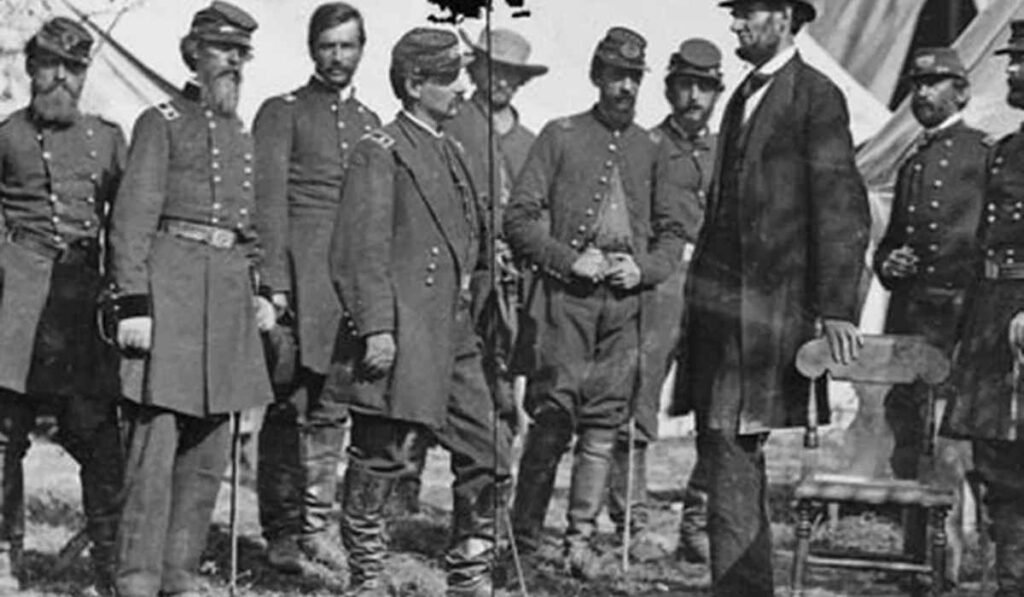
Enduring years of agonizing military setbacks and leadership changes, Abraham Lincoln finally found dependable generals like Ulysses S. Grant to secure ultimate victory. His role as commander-in-chief involved grueling oversight of military strategy, logistics, and political pressure from both radical and conservative factions. Despite immense personal grief and crushing stress, he maintained unwavering focus on restoring the fractured nation under a single flag. His persistence paid off when Confederate armies surrendered, successfully preserving the United States as an undivided constitutional republic.
Championing the Thirteenth Amendment
Pushing aggressively for permanent legal reform, Abraham Lincoln worked tirelessly behind the scenes to secure passage of the Thirteenth Amendment. This crucial constitutional change outlawed slavery completely across the entire United States, ensuring that emancipation could never be reversed post-war. Using his political influence and administrative leverage, he persuaded reluctant lawmakers to support the measure before his second term concluded. This legislative triumph marked the ultimate realization of his long-held moral conviction that human freedom must be permanently enshrined in the foundational laws of the land.
Tragic Assassination at Ford Theatre
Facing the dawn of a peaceful reconstruction era, Abraham Lincoln attended a play at Ford Theatre where tragedy struck unexpectedly. John Wilkes Booth, a Confederate sympathiser, shot the president in the head, plunging a grieving nation into sudden shock and mourning. Passing away the following morning, he became a national martyr whose untimely death altered the course of post-war American history. The entire country mourned the loss of a compassionate leader whose vision of reconciliation and charity toward all was desperately needed for healing the fractured states.
Lasting Historical Legacy and Memory
Remembered universally as one of the greatest presidents in American history, Abraham Lincoln holds a permanent place in global political lore. His face carved into Mount Rushmore and his majestic memorial in Washington stand as testaments to his colossal historical stature. Scholars and everyday citizens alike continue studying his writings, speeches, and leadership style to glean timeless wisdom on crisis management and ethical governance. His remarkable evolution from a backwoods frontier boy to the savior of the Union remains an immortal beacon of hope for democracy.
Comprehensive Study of American Heritage
Exploring the deep intricacies of national history reveals how deeply intertwined the fate of the republic was with the character of Abraham Lincoln. His ability to navigate impossible political dilemmas with grace, humility, and steadfast resolve sets a gold standard for public leadership. From humble beginnings to the ultimate sacrifice, his story encapsulates the very essence of the American dream and human perseverance. To discover more about his profound impact on civil rights and constitutional governance, you can explore detailed historical archives and resources like FRIENDLY.
FAQs
- When was Abraham Lincoln born?
- Abraham Lincoln was born on February 12, 1809.
- What number president was Abraham Lincoln?
- He served as the 16th president of the United States.
- Who assassinated Abraham Lincoln?
- He was assassinated by John Wilkes Booth in April 1865.
- What famous speech did he deliver in 1863?
- He delivered the immortal Gettysburg Address in November 1863.
- What major proclamation did he issue during the Civil War?
- He issued the Emancipation Proclamation to free slaves in rebellious states.