 admin
admin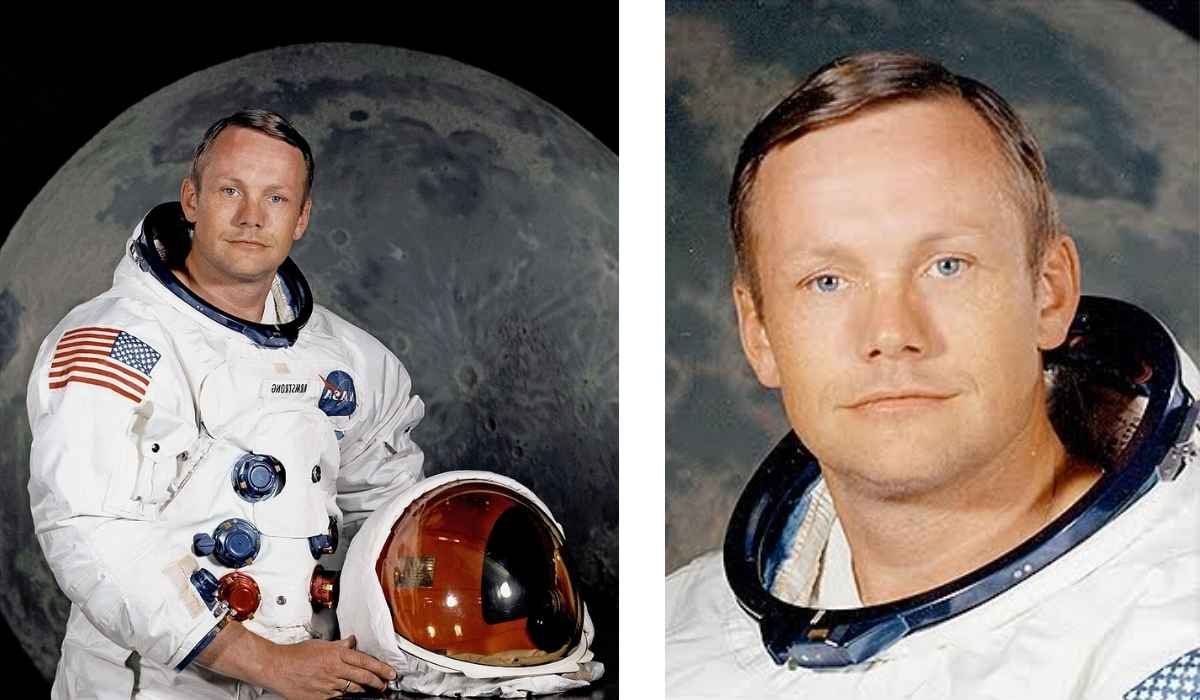
The story of human exploration reached its ultimate pinnacle when Neil Armstrong stepped onto the lunar surface during the historic Apollo 11 mission. Born in Ohio in 1930, he developed an early fascination with aviation that led him to earn his pilot license before his driver license. After serving as a naval aviator in the Korean War, he transitioned into an exceptional career as an aeronautical engineer and experimental test pilot. His unmatched calmness under extreme pressure eventually paved the way for his selection into the elite NASA astronaut corps, where he permanently changed the course of human history.
Quick Bio Overview
| Metric / Attribute | Detail |
| Full Name | Neil Alden Armstrong |
| Date of Birth | August 5, 1930 |
| Place of Birth | Wapakoneta, Ohio, United States |
| Profession | Astronaut, Aeronautical Engineer, Test Pilot |
| Famous For | First person to walk on the Moon |
| Date of Death | August 25, 2012 |
Early Childhood Years and Family Background
Growing up in mid-century America, Neil Armstrong experienced a modest upbringing that strongly emphasized hard work, education, and community involvement. His parents instilled deep moral values while supporting his eccentric hobbies, which primarily revolved around model airplanes and books about flight. Moving across various towns in Ohio during his youth helped him adapt quickly to new environments and build resilient social skills. Even as a young child, he spent hours building intricate model airplanes and reading everything he could find about early aviation pioneers. These formative years built a solid foundation for Neil Armstrong and his future ambitions.
Passion for Aviation and Early Flight Experiences
Fascinated by the mechanics of flight from a remarkably young age, Neil Armstrong took his very first airplane ride at the age of six in a Ford Trimotor. That thrilling experience ignited a lifelong passion that dictated nearly every major professional choice he made throughout his incredible life. He eagerly worked at local pharmacies and farms to pay for flying lessons at the local airfield outside his hometown. By the time he celebrated his sixteenth birthday, he proudly held a student pilot certificate even before he possessed a regular driving license. This accelerated journey into skies defined the extraordinary career of Neil Armstrong.
Education at Purdue University and Naval Sponsorship
Academic excellence opened doors to higher education when Neil Armstrong secured a prestigious scholarship funded by the United States Navy under the Holloway Plan. He enrolled at Purdue University in 1947 to study aeronautical engineering, diving deep into advanced mathematics, physics, and aerodynamics. His rigorous coursework was temporarily interrupted when the Navy called him to active duty for military deployment overseas. Despite these breaks, he remained deeply committed to finishing his formal education and mastering the complex theories of flight mechanics. The academic rigor at Purdue heavily contributed to the scientific achievements of Neil Armstrong.
Military Service During the Korean War
Serving his country with exceptional valor, Neil Armstrong flew seventy-eight combat missions as a naval fighter pilot during the Korean War. Operating Grumman F9F Panther jets from aircraft carriers, he faced numerous life-threatening situations while navigating hostile anti-aircraft fire. On one harrowing mission, his jet suffered severe damage after colliding with a cable, yet he managed to glide his aircraft back to friendly territory before ejecting safely. His courage under fire earned him several prestigious military decorations, including the Air Medal and the Korean Service Medal. This intense combat experience forged the unshakeable composure that became synonymous with Neil Armstrong.
Completion of University Degree and Early Research Work
Returning from military service, Neil Armstrong resumed his studies and successfully completed his Bachelor of Science degree in aeronautical engineering at Purdue University. Eager to combine theoretical design with hands-on aviation, he accepted a position with the National Advisory Committee for Aeronautics at Edwards Air Force Base. In this capacity, he worked as a civilian research pilot, evaluating cutting-edge supersonic aircraft and groundbreaking experimental rocket planes. His daily responsibilities required immense technical expertise and absolute fearlessness in the face of unknown aerodynamic hazards. Such high-level testing environments were crucial milestones for Neil Armstrong.
Pushing Boundaries as an Experimental Test Pilot
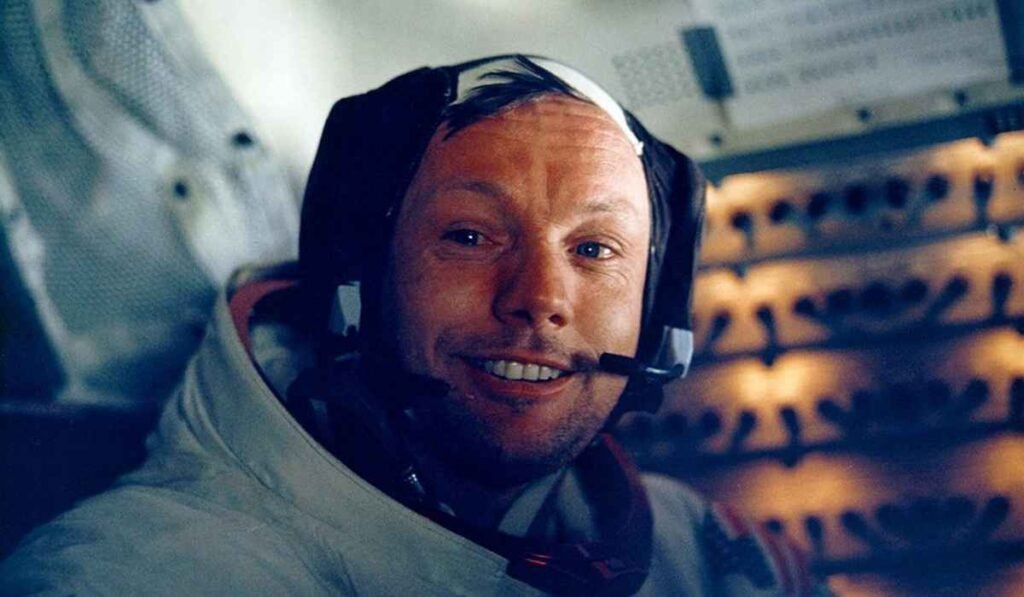
As a premier test pilot, Neil Armstrong flew some of the most advanced and dangerous aircraft ever built, including the legendary North American X-15. He pushed these rocket-powered vehicles to dizzying altitudes and blistering speeds, gathering vital empirical data that shaped modern aerospace engineering. His ability to diagnose mechanical failures mid-flight saved both experimental programs and valuable prototype equipment from total destruction. Engineers and fellow pilots deeply respected his analytical mind and his methodical approach to managing catastrophic inflight emergencies. These daring flights established Neil Armstrong as a master of aviation science.
Selection into the NASA Astronaut Corps
Recognizing his unique combination of engineering acumen and elite piloting skills, NASA selected Neil Armstrong to join its second group of astronauts in 1962. This selection marked his official entry into the burgeoning American space program during the intense height of the global Space Race. He relocated to Houston, Texas, where he underwent grueling physical conditioning, extensive classroom training, and complex spacecraft simulation exercises. Despite the intense competition among peers, he stood out for his quiet leadership, intellectual depth, and technical precision. A new chapter of cosmic exploration awaited Neil Armstrong at NASA.
The Perilous Gemini Mission and Crisis Management
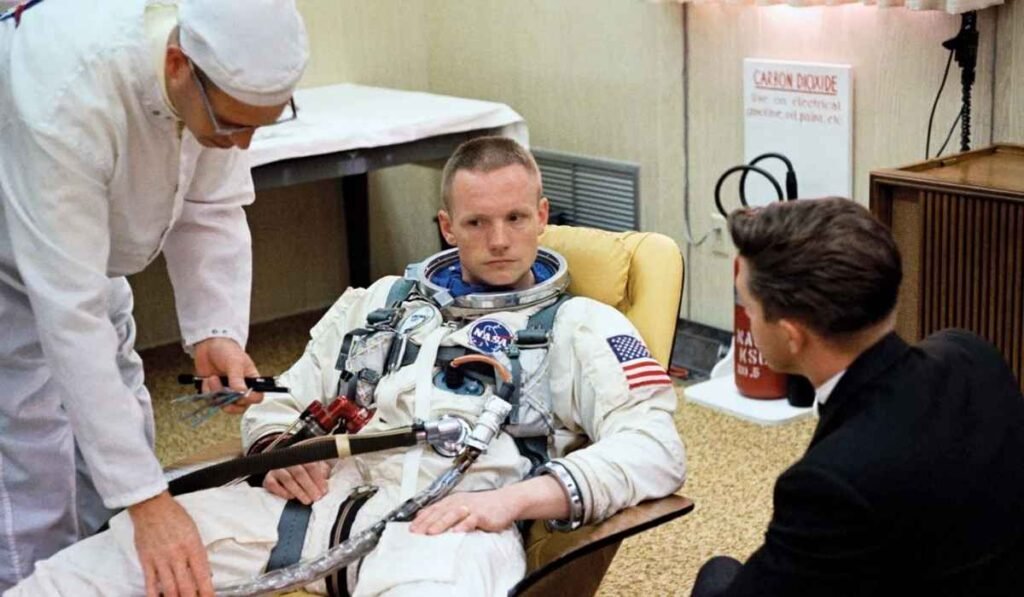
Commanding the Gemini 8 mission in March 1966, Neil Armstrong achieved the first successful manual docking of two spacecraft in Earth orbit. However, the triumph quickly turned into a life-threatening crisis when a thruster malfunction caused the joined spacecraft to spin wildly out of control. Keeping a remarkably cool head, he managed to deactivate the malfunctioning thrusters and activate the re-entry control system, saving the crew from certain blackouts or structural breakup. This masterclass in emergency management cemented the reputation of Neil Armstrong as a peerless astronaut.
Preparation and Training for the Apollo Program
Following the success of the Gemini program, Neil Armstrong transitioned directly into intense preparation for the historic Apollo lunar landing missions. He spent thousands of hours practicing manual landings using the Lunar Landing Training Vehicle, a notoriously difficult machine that simulated low-gravity flight dynamics. Every conceivable emergency scenario was rehearsed repeatedly in high-fidelity simulators alongside fellow crew members Buzz Aldrin and Michael Collins. Their synchronized teamwork and dedication ensured that every technical detail of the lunar module was thoroughly tested. Ultimate mission readiness became the primary obsession for Neil Armstrong.
The Historic Launch of Apollo 11
On July 16, 1969, a massive Saturn V rocket thundered into the Florida sky carrying Apollo 11 toward its monumental destination. Millions of spectators watched worldwide as Neil Armstrong, alongside his crewmates, embarked on a three-day journey across the vast expanse of space. The sheer power of the launch vehicle and the intricate orbital mechanics required flawless execution from every member of the flight team. Tension ran exceptionally high as the spacecraft slipped smoothly into lunar orbit, setting the stage for humanity’s first descent to another world. History was moments away for Neil Armstrong.
Descent to the Lunar Surface and Navigation Challenges
During the final lunar descent, the Apollo 11 lunar module computer overloaded due to data traffic, while guidance systems pushed them toward a boulder-strewn crater. Taking manual control of the spacecraft, Neil Armstrong skillfully flew the lander over the hazardous terrain to find a smooth, safe landing spot. Fuel reserves dwindled dangerously close to critical limits while anxious flight controllers monitored telemetry updates from mission control in Houston. His split-second decisions and steady hand prevented an aborted mission and ensured a gentle touchdown. Perfect composure defined the final moments of descent for Neil Armstrong.
The Iconic Moon Walk and Historic Words
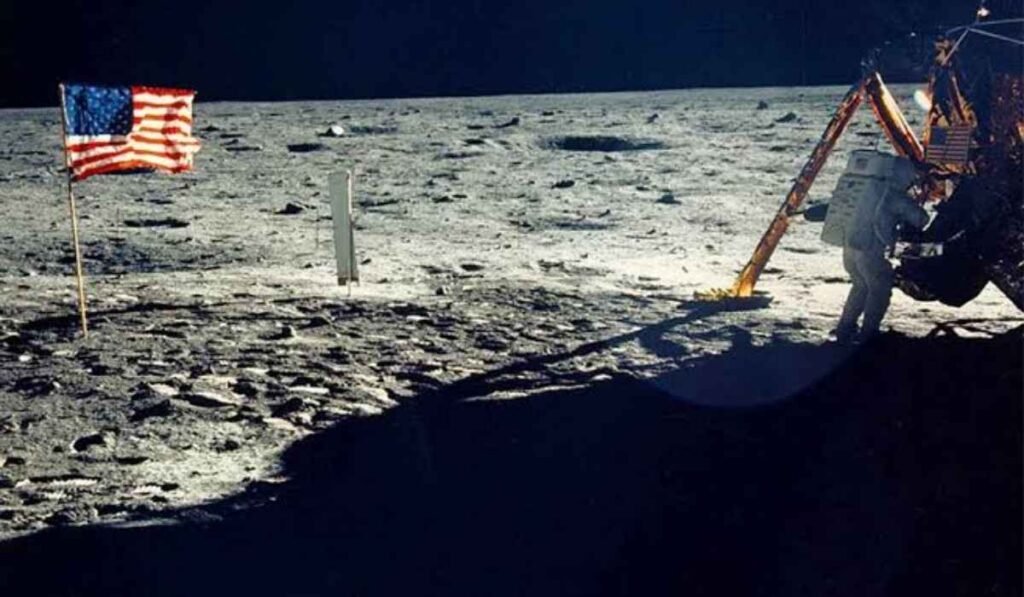
Touching the dusty surface of the Moon on July 20, 1969, Neil Armstrong became the first human being to walk on an extraterrestrial world. As he stepped down the ladder of the lunar module, he broadcasted words that instantly echoed through eternity: That is one small step for man, one giant leap for mankind. Millions of television viewers around the globe sat spellbound watching grainy black-and-white transmissions of this unprecedented achievement. The flag of the United States was planted, scientific samples were gathered, and a new era of human capability was born through Neil Armstrong.
Safe Return to Planet Earth
After completing over twenty-one hours on the lunar surface, the ascent engine fired reliably to lift the crew back into lunar orbit. Neil Armstrong and Buzz Aldrin successfully rendezvoused with the command module piloted by Michael Collins for the smooth return trip home. Upon splashing down safely in the Pacific Ocean, the crew was greeted as global heroes and placed into initial quarantine to guard against unknown space pathogens. Parades, honors, and international celebrations followed, recognizing the collective triumph of American science and engineering. Triumphant return marked a major personal milestone for Neil Armstrong.
Transition to Academic Life and Teaching
Shying away from intense commercial spotlight and endless public fanfare, Neil Armstrong chose a quiet life focused on education and academic research. He accepted a position as a professor of aerospace engineering at the University of Cincinnati, where he shared his vast knowledge with eager students. Teaching allowed him to nurture the next generation of engineers and scientists without compromising his preference for privacy. Colleagues remembered him as a dedicated educator who valued intellectual rigor and practical problem-solving above all else. Academia provided a peaceful sanctuary for Neil Armstrong.
Contributions to Government Oversight and National Panels
Beyond the classroom, Neil Armstrong lent his immense technical expertise to critical government boards and high-profile investigative committees. He served on the National Commission on Space, helping outline future goals for American interplanetary exploration and research infrastructure. Later, following the tragic Challenger accident in 1986, he served as vice-chairman of the Presidential Commission investigating the structural failures. His impartial analysis and steadfast integrity ensured that critical safety reforms were implemented across the entire aerospace sector. Public service remained a quiet duty for Neil Armstrong.
Private Ventures and Corporate Leadership
Entering the corporate world after his academic tenure, Neil Armstrong served on the boards of directors for several prominent technology and aviation companies. Businesses sought his strategic vision and technical credibility to navigate complex engineering and regulatory landscapes. Despite his high corporate standing, he steadfastly refused to commercialize his historic moon landing for personal financial gain, protecting the dignity of the space program. His business acumen matched his technical genius, earning him deep respect across corporate boardrooms. Integrity always guided the professional decisions of Neil Armstrong.
Later Years and Quiet Personal Life
In his later years, Neil Armstrong lived a quiet, dignified life in rural Ohio, cherishing time with family, reading, and flying light aircraft for recreation. He deeply valued his privacy and rarely granted media interviews, preferring that history remember the mission rather than the man. Even when faced with declining health, he maintained his trademark grace, humility, and quiet resilience. Tributes from across the globe continually reminded society of his unmatched contributions to human progress. Quiet dignity characterized the final chapters of Neil Armstrong.
Passing and Global Tributes
The world mourned deeply when Neil Armstrong passed away on August 25, 2012, following complications from cardiovascular surgery. Leaders, scientists, and citizens from every corner of the planet offered glowing tributes celebrating his monumental impact on human history. Memorial services highlighted his rare combination of humility, courage, and scientific brilliance that inspired millions to look up at the stars with renewed wonder. His passing marked the end of an era, but his stellar accomplishments remain etched into the cosmos. Immortalized in history books, the spirit of Neil Armstrong endures forever.
Enduring Legacy in Space Exploration
Decades after his historic moonwalk, the legacy of Neil Armstrong continues to inspire modern space exploration, commercial rocketry, and planetary science. His life demonstrates how curiosity, rigorous education, and calm leadership can overcome seemingly impossible barriers. Space agencies and private aerospace pioneers alike look back at his achievements as the benchmark for human capability and courage. As humanity prepares for future crewed missions to Mars and beyond, the pioneering footprints left in the lunar dust remain an eternal testament to Neil Armstrong.
Frequently Asked Questions
- When was Neil Armstrong born?
- Neil Armstrong was born on August 5, 1930.
- What spacecraft did he command during Apollo 11?
- He commanded the Apollo 11 lunar module called Eagle.
- What famous words did he say on the Moon?
- He famously said, That is one small step for man, one giant leap for mankind.
- Did he serve in the military?
- Yes, he served as a U.S. Navy fighter pilot during the Korean War.
- When did Neil Armstrong pass away?
- He passed away on August 25, 2012.